Thinking of taking a break from ChatGPT? Google Gemini is ready to impress


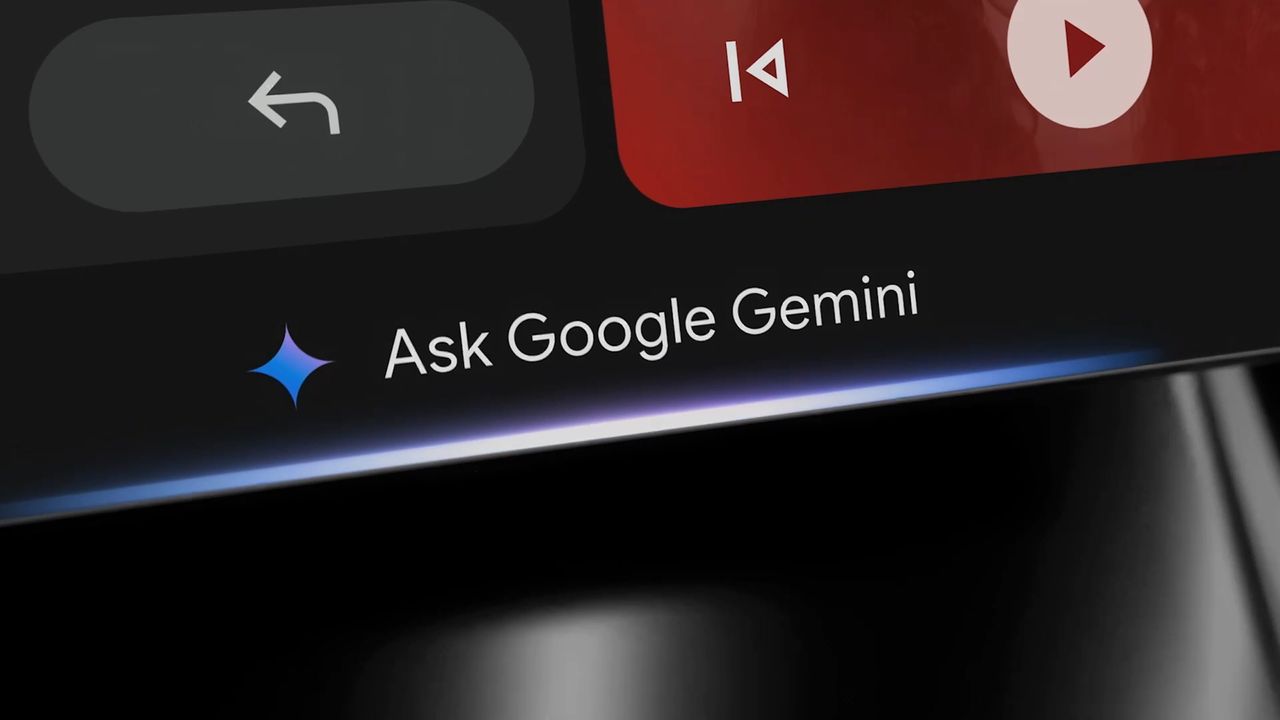
After months of talking to the same AI companion, even the most helpful assistant can start to feel a little stale and predictable. If you rely on ChatGPT to write emails, generate shopping lists, create vacation itineraries, or explain music lyrics, you may have experienced this particular type of digital fatigue. So if you’re feeling a little restless when it comes to AI assistants, maybe you should try Google Gemini as a rebound chatbot.
The differences between ChatGPT and Gemini may seem cosmetic, like Coke versus Pepsi. But spend some time interacting with Gemini and you’ll notice much more than just a different company sucking up all your data.
Gemini is not just “ChatGPT from Google”. It’s a fully multimodal, deeply integrated AI assistant that’s now found not only in its own chat interface, but also in Chrome, Android, Workspace, and more. It’s ambitious, sometimes idiosyncratic, and with the latest Gemini 2.5 models, it’s aiming for a place at the table with the heavyweights at OpenAI.
For starters, even though ChatGPT has a huge database to draw on, Gemini has the distinct advantage of knowing everything Google knows. Real-time information is integrated and remains up-to-date without requiring intelligent, rapid engineering.
Google’s Gemini also brings something that ChatGPT still struggles with: native understanding of files and media. You can insert PDF, Docs or image files and get answers without additional steps. This is great for annotating screenshots and summarizing research articles.
Whether you’re pasting a 40-page PDF or sharing your Google Docs folder, Gemini can help you summarize information, compare chapters, or answer detailed questions that refer to parts that are far apart. ChatGPT can do this too (especially in its more premium tiers), but Gemini leans into it more as a native force rather than an add-on.
Multimodal major
One of the limitations of ChatGPT is its relative weakness with non-text modalities (although more recent versions have improved). Gemini, by design, is multimodal: you can feed it images, ask it to analyze them, generate art, or use its voice interface, Gemini Live. Its image generation is supported by Nano Banana, Google’s new in-house image model, giving Gemini a native path from prompt to image.
If you show Gemini a photo of a cluttered room and ask, “Turn it into a minimalist workspace,” it can annotate, suggest design variations, or even generate mockups. ChatGPT’s image capabilities tend to be more siled or dependent on external plugins. In audio, Gemini now supports uploading audio files for up to 10 minutes of analysis on free tiers, giving it an edge for transcriptions, podcast scripts, or analyzing recorded interviews.
Gemini also benefits from Google aesthetically. Gemini’s design philosophy is less like a lab experiment gone wild and more like refined products developed over many years by Google. It may feel like a breath of fresh air.
Then there is the ecosystem. OpenAI’s ChatGPT has grown into a platform of tools, plugins, and features like custom GPTs, memory, and voice chat. If you’ve already built your workflow around its agent tools or personal AI profiles, Gemini may seem simple in comparison, at least for now. Google is clearly preparing to expand Gemini’s capabilities, but for users deeply embedded in the ChatGPT ecosystem, the transition won’t be as seamless.
Ask Gemini to “Find a dog-friendly cafe nearby, map it, message my friend with the address, and add it to my calendar,” and it will orchestrate actions across Maps, Messaging, and Calendars. ChatGPT sometimes achieves this via plugins or external APIs, but it may take longer.
Gemini Value
Gemini’s integration with Google may be attractive, but it also comes with valid criticism. You might be concerned about how data flows between your conversations and your Google account. And while Google maintains that Gemini interactions are protected and private, anyone familiar with tech companies’ semi-regular excuses for missteps and data leaks might find this association disturbing.
The caveats do not take away from the conclusion that Gemini is worth a try. It’s fast. It’s precise. He respects your time and rarely makes you repeat yourself. That alone gives it real appeal for people who just want AI to work. Gemini can match or even exceed just about anything ChatGPT can do. You won’t be alone in trying Gemini either. Gemini’s total visits have increased by 46% since August 2025. Although chatbots remain a loyalty game, the change in dynamics is notable.
If you’ve spent the past year glued to ChatGPT, it’s understandable to be reluctant to turn to an alternative. Irritants may be minimal or rare enough that the prospect of starting from scratch seems like too much work. But it’s important to remember that options exist and can have their own strengths. And maybe you could benefit from a change of pace in AI, if only for a while.
Follow TechRadar on Google News And add us as your favorite source to get our news, reviews and expert opinions in your feeds. Make sure to click the Follow button!
And of course you can too follow TechRadar on TikTok for news, reviews, unboxings in video form and receive regular updates from us on WhatsApp Also.
You may also like


