This wide-eyed baby primate is cute, cuddly—and venomous


As 2025 drew to a close, New York’s Bronx Zoo welcomed one of the most adorable animals imaginable in the world: a pygmy slow loris (Nycticebus pygmaeus).
In the photo shared by the zoo, the tiny, endangered baby primate stares out with its giant dark eyes so intently you’d think it was born with its eyes open. Indeed, this is exactly how lorises slowly emerge and are completely covered in fur. Mothers hold their babies on their bellies, sometimes placing them on a branch while they feed — and, who are we kidding, probably taking a break.
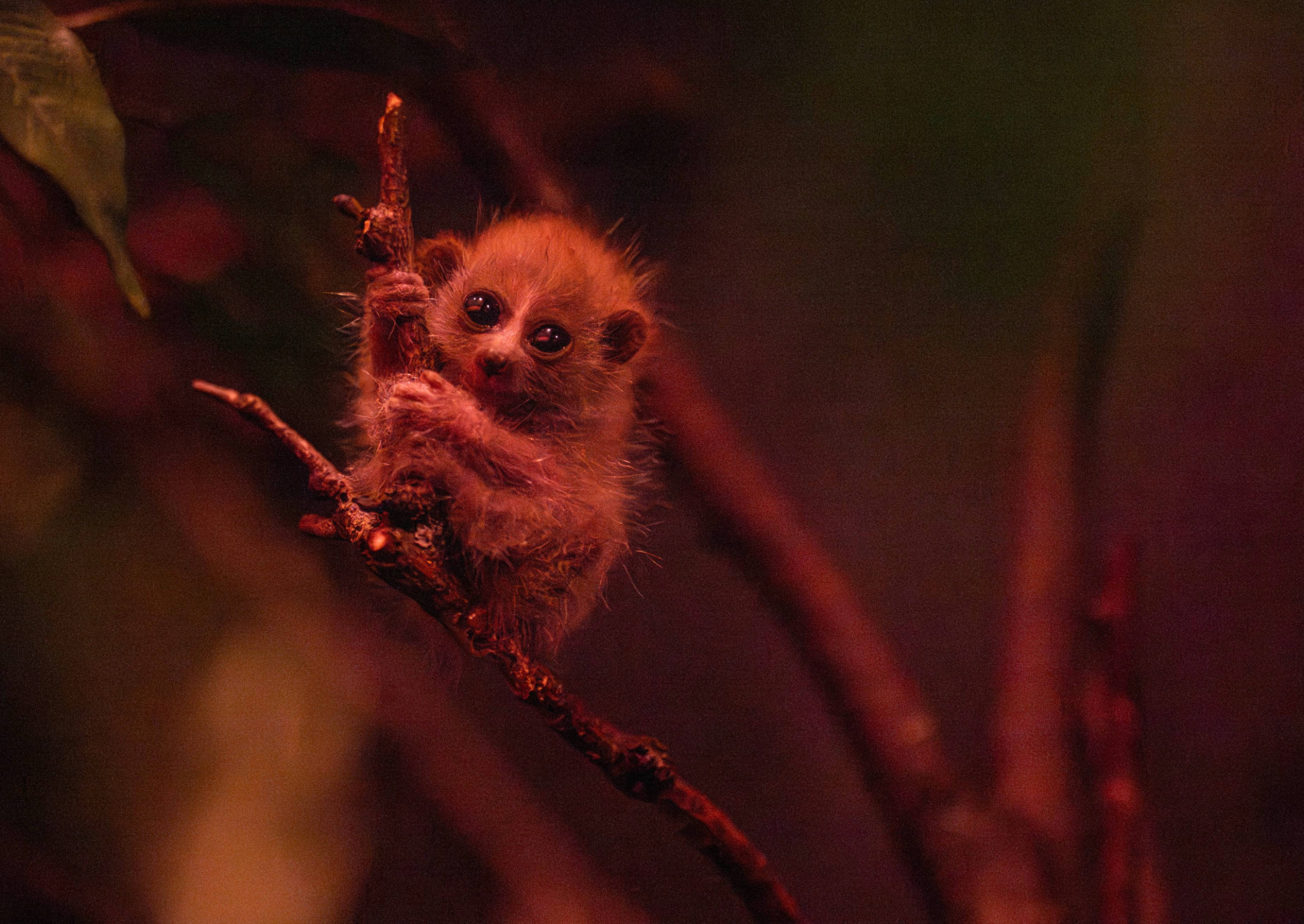
The image seems to have captured exactly that moment, with the young pygmy slow loris clinging to its branch in the same way a preteen anxiously clings to a grocery cart while waiting in line for the checkout while his mother returns to aisle three for a forgotten item.
Don’t worry, though. Time will make the furry primate more independent and energetic and he will wean completely around six months of age. As adults, slow lorises weigh about a pound. As for whether it is a male or a female, we do not know yet, this will be revealed during his first check at the vet. He has not yet been named.

“As it becomes acclimated to its environment, the newborn will stay with its mother to promote healthy growth and maternal bonding,” says Keith Lovett, director of animal programs at the Bronx Zoo. Popular science. He adds that slow lorises are “the only known venomous primate” and “produce a toxic secretion from their brachial gland that becomes venomous when mixed with their saliva.”
The pygmy slow loris is native to Southeast Asia and has a lifespan of between one and two decades. It is listed as endangered, according to a 2021 assessment from the IUCN Red List of Threatened Species. Its population suffers from human-caused habitat loss, hunting for food, the pet trade, and “medicinal” reasons. The baby was likely born as part of the Pygmy Slow Loris Species Survival Plan. The inter-zoo breeding program (in which the Bronx Zoo is involved) preserves genetic diversity within pygmy slow loris populations.
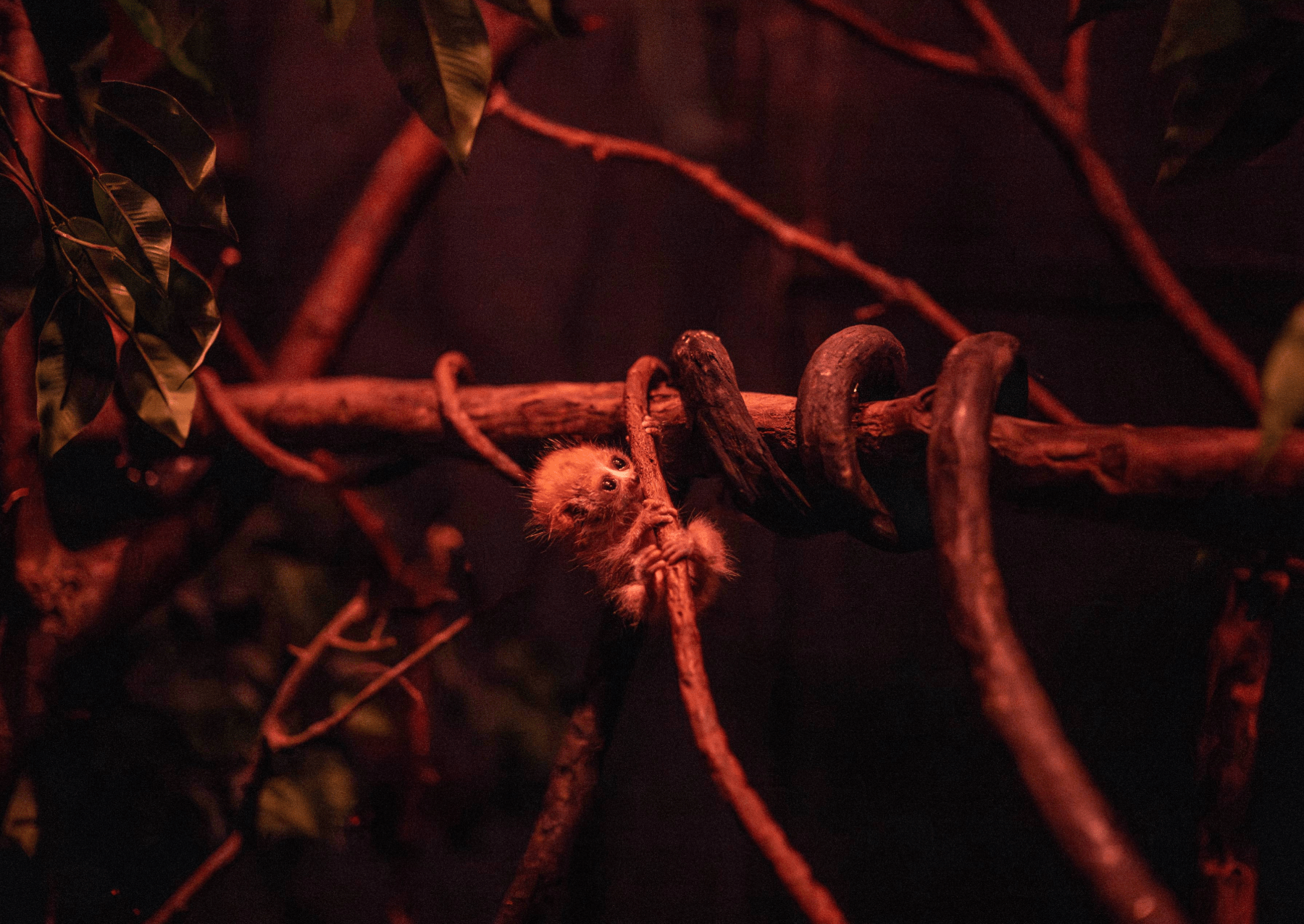
In addition to being venomous, it is also a nocturnal primate. At the Bronx Zoo, visitors have the opportunity to see nocturnal animals in action without having to stay overnight. The baby pygmy slow loris is the first primate born in their World of Darkness exhibit, a space that simulates nocturnal darkness during the day and daylight brightness at night.
“The Bronx Zoo’s animal care staff will continue to closely monitor and care for the growing baby in the zoo’s new World of Darkness exhibit, with her first veterinary examination taking place in the coming months,” Lovett concludes.

The best new PopSci 2025 releases