Kākāpō chicks surge after rare berry bloom


March 4, 2026
3 min reading
 Add us on GoogleAdd SciAm
Love Island: Kākāpō baby boom rare berry bonanza spurs
A massive bloom of rimu berries has fueled a mating surge among the world’s heaviest (and strangest) parrots
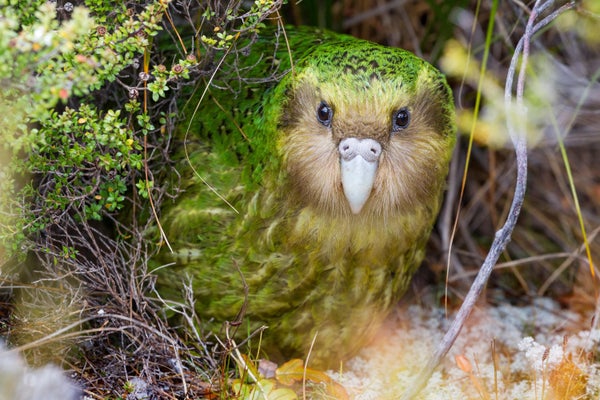
Kākāpō They rely primarily on rimu berries to reproduce – and this year’s huge harvest has set the tone.
The biggest berry bloom in New Zealand’s forests in decades has sparked a mating frenzy in the Kākāpō, the world’s beefiest parrot.
With the face of a Muppet and the physique of a Furby, the Kākāpō is an absurd creature in every way. It’s nocturnal, lime green, and, as science fiction writer Douglas Adams wrote, “flies like a brick.” The animals produce a strong, fruity musk, can weigh as much as a domestic cat, and can potentially live 90 years or more.
At the start of 2026, there are only 236 Kākāpōs left in the world and, much to the dismay of their human conservation team, the birds rely primarily on a single fruit to set the mood for love. This means that the animals only mate prolifically when the rimu tree, a towering conifer that can live for a millennium, produces a bountiful harvest of bright red berries, which happens every two to four years.
On supporting science journalism
If you enjoy this article, please consider supporting our award-winning journalism by subscription. By purchasing a subscription, you are helping to ensure the future of impactful stories about the discoveries and ideas shaping our world today.
During courtship rituals supported by berries, male Kākāpōs used their stubby little feet to scratch and stomp on earthen amphitheatres called “booming bowls,” which amplified their courtship song – a resonant, low-pitched call that carried for miles. “Rather than hearing it, you kind of feel it in the chest,” says Andrew Digby, scientific advisor to the Kākāpō team at the New Zealand Department of Conservation.
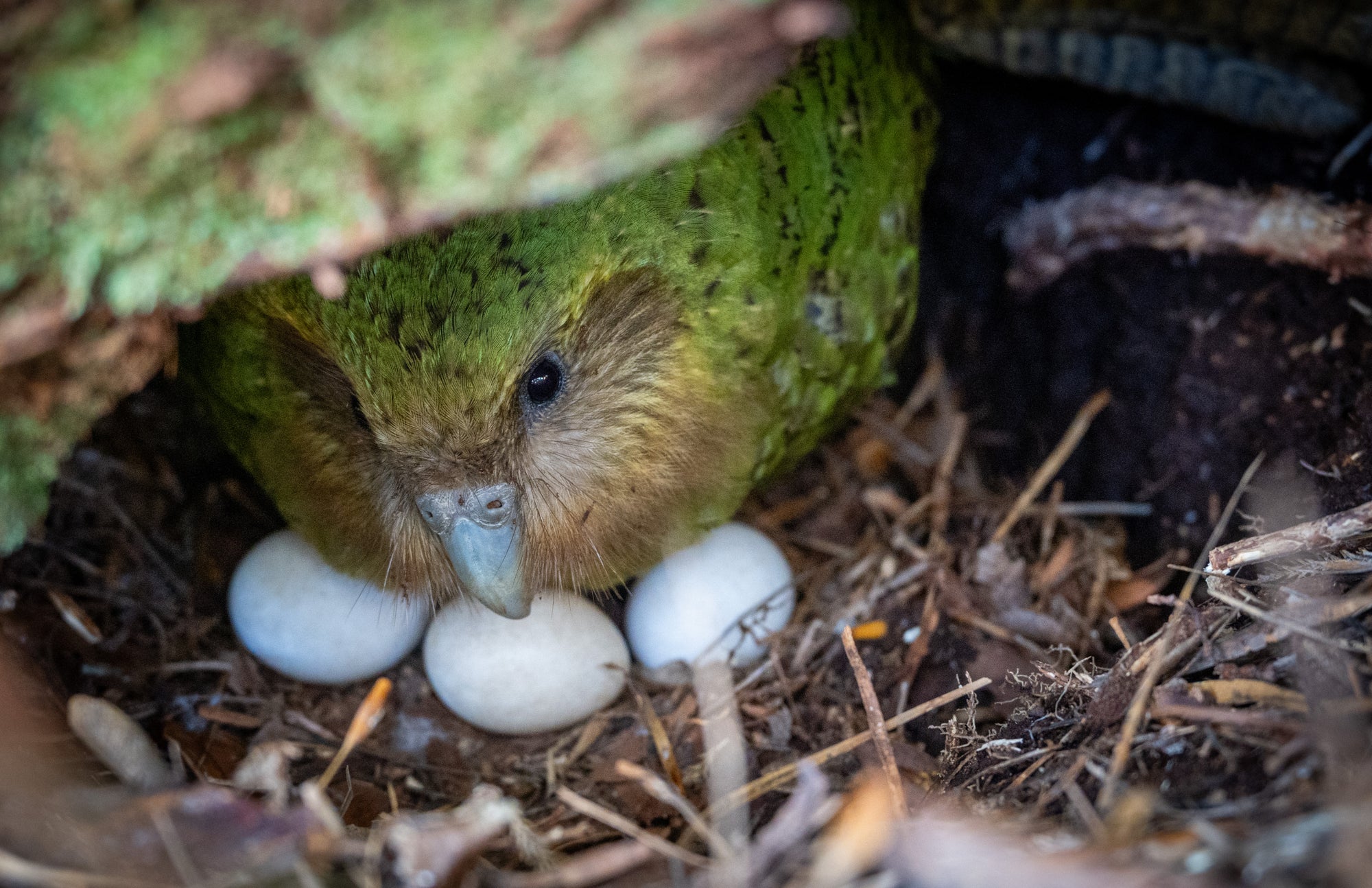
Kākāpō on its nest.
Andrew Digby/New Zealand Department of Conservation
Nearly all female Kākāpōs of reproductive age have reproduced this year, Digby says, producing an impressive 240 eggs and counting. About half of the eggs will be fertile. Fewer individuals will hatch and even fewer will survive long enough to fly away. As of March 3, scientists recorded 26 chicks alive.
These population gains would not have been possible without a handful of Kākāpō “superbreeders”, including Blades, a Kākāpō Don Juan of unknown age who, after fathering 22 chicks since 1982, was banished to “Bachelor Island” for fear of flooding the gene pool. “He was a victim of his own success,” says Digby. “He was too popular.”
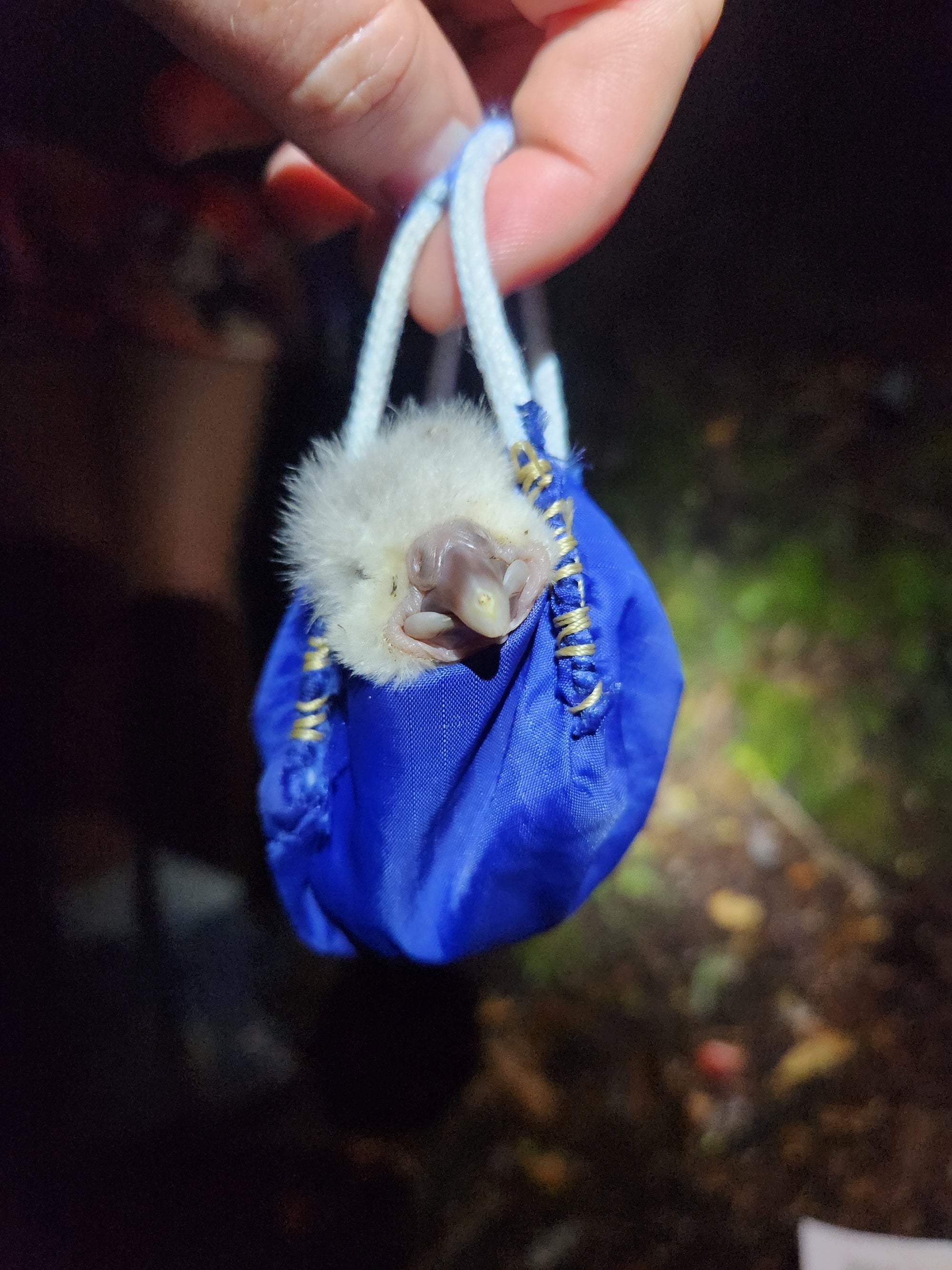
A newborn chick being weighed.
Lydia Uddstrom/New Zealand Department of Conservation
Once the lucky eggs hatch, the females will raise their chicks on their own. Each evening, Kākāpō mothers use their beaks and claws to climb up to 100 feet to the canopy of rimu trees in order to harvest berries, about a pound per chick each day. Some females have been breeding for more than 40 years, creating strong “dynasties,” he says. A Kākāpō matriarch named Nora has participated in 13 breeding cycles since 1981 and is set to become both mom and great-great-grandmother this season. This year you can watch Kākāpō the supermother Rakiura on a nesting camera as she hatches and raises two chicks, fending off nest intruders which include shorebirds and bats. Although Rakiura is only 24 years old, she has successfully raised nine of her own chicks and raised many more for less experienced females. Right now, the chicks look like dandelions, but within a few weeks they will become “weird little dinosaurs with these huge, oversized feet,” Digby says.
The team hopes that enough chicks will survive this year to bring the world’s Kākāpō population to 300 individuals, a major milestone for a species that had just 51 individuals in 1995. The flightless birds were easy prey for invasive predators, including domestic cats, dogs and weasel-like stoats. Kākāpō fruit water is pungent enough that even humans can track them by scent. The Kākāpōs found refuge on three predator-free islands belonging to the Ngāi Tahu, whose tribesmen act as Kaitiaki, or guardians, birds. “It’s a Taonga species, a treasure for us,” says Tāne Davis, who has been the Ngāi Tahu representative in Kākāpō conservation for 20 years.
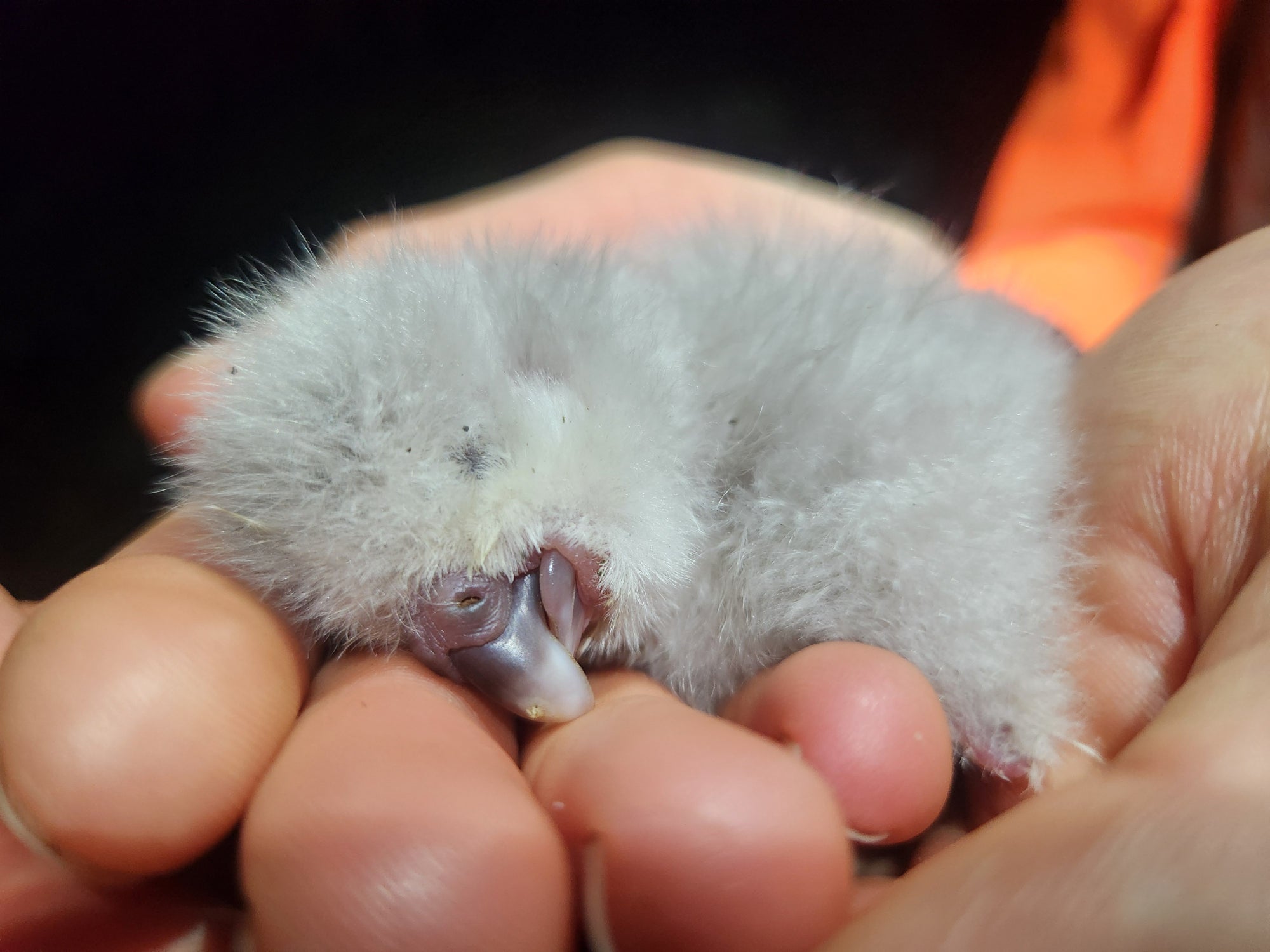
One day old Kākāpō chick during a health check.
Lydia Uddstrom/New Zealand Department of Conservation
The Kākāpōs have outgrown these tiny shelters, and pressure is on to “restore the Mauri, or the lifeblood of habitat” on large islands by eliminating invasive predators, says Davis.
The 2026 breeding cycle represents a new era for Kākāpōs, Davis and Digby agree. At the request of the Ngámacr;i Tahu, some of the chicks born this year will not be named. “It’s about getting them back to their lives in nature,” says Davis.
It’s time to defend science
If you enjoyed this article, I would like to ask for your support. Scientific American has been defending science and industry for 180 years, and we are currently experiencing perhaps the most critical moment in these two centuries of history.
I was a Scientific American subscriber since the age of 12, and it helped shape the way I see the world. SciAm always educates and delights me, and inspires a sense of respect for our vast and beautiful universe. I hope this is the case for you too.
If you subscribe to Scientific Americanyou help ensure our coverage centers on meaningful research and discoveries; that we have the resources to account for decisions that threaten laboratories across the United States; and that we support budding and working scientists at a time when the value of science itself too often goes unrecognized.
In exchange, you receive essential information, captivating podcasts, brilliant infographics, newsletters not to be missed, unmissable videos, stimulating games and the best writings and reports from the scientific world. You can even offer a subscription to someone.
There has never been a more important time for us to stand up and show why science matters. I hope you will support us in this mission.


