Trump beef import move won’t fix the real problem US ranchers are facing


NEWYou can now listen to Fox News articles!
President that of Donald Trump The beef import plan aims to reduce prices, but cattle ranchers say it misses what’s crushing them most: the power of meatpackers.
“Meatpackers have created a system where they win no matter what, at the expense of everyone else,” said Will Harris, fourth-generation rancher and owner of White Oak Pastures in Bluffton, Georgia.
Harris, who plans to pass the operation on to his children, said his farm manages every step of production, from raising the cattle to processing and selling the beef, giving him a clear view of how prices are set.
AMERICA’S SMALLEST CATTLE HORSE FOR 70 YEARS MEANS RECOVERY WILL TAKE YEARS AND BEEF PRICES COULD REMAIN HIGH
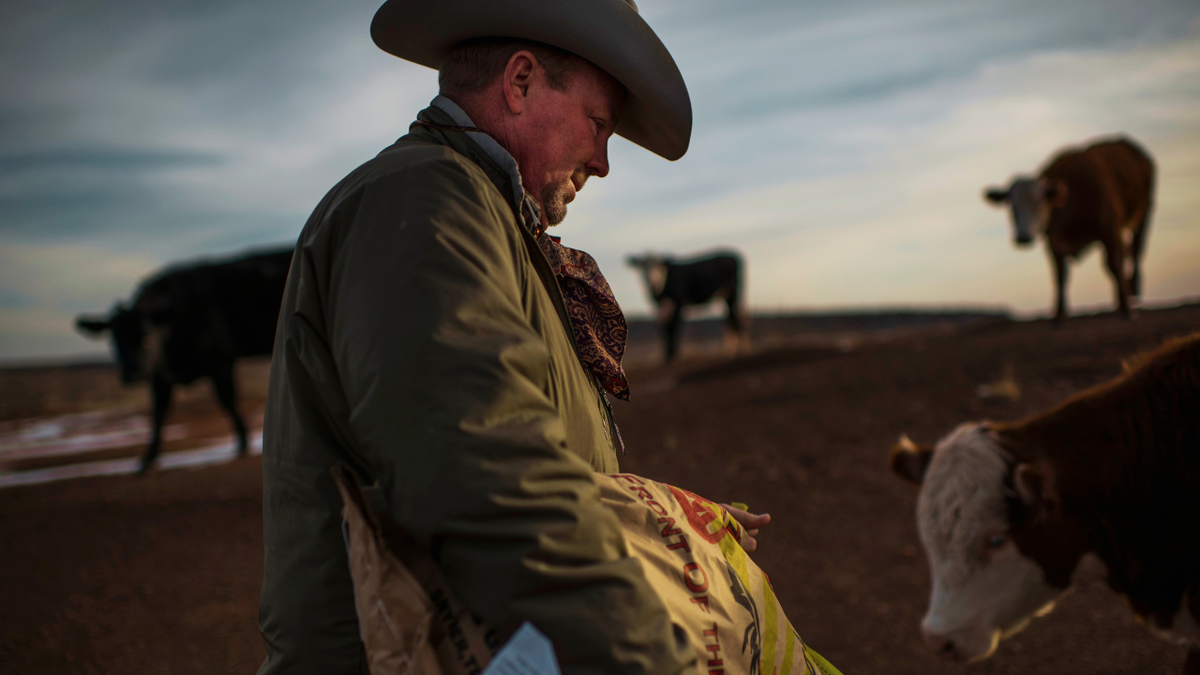
Sixth-generation cattle rancher Mark Kirkpatrick feeds his heifers at the Stoker-Kirkpatrick Ranch in Post, Texas. (Melina Mara/The Washington Post/Getty Images)
At the center of this pricing power are the “Big Four” – Tyson, JBS, Cargill and National Beef – who anchor the U.S. beef supply chain from pasture to fork.
Together, the packaging titans process about 85 percent of grain-fed livestock, which becomes steaks, roasts and other supermarket cuts.
“The U.S. beef market is so concentrated that a small number of dominant packers control processing, distribution and pricing. This allows them to pay ranchers less for cattle while charging consumers more at the store. When cheap imported beef enters the system, it allows packers to increase their margins,” Harris told Fox News Digital.
It’s a concern that resonates deeply in ranching country.
Texas cattle rancher Cole Bolton said he sees the same problem in the Lone Star State.
IN TEXAS CATTLE COUNTRY, RACKER WELCOMES TRUMP’S OPPORTUNITY ON DECADES OF THIN MARGINS
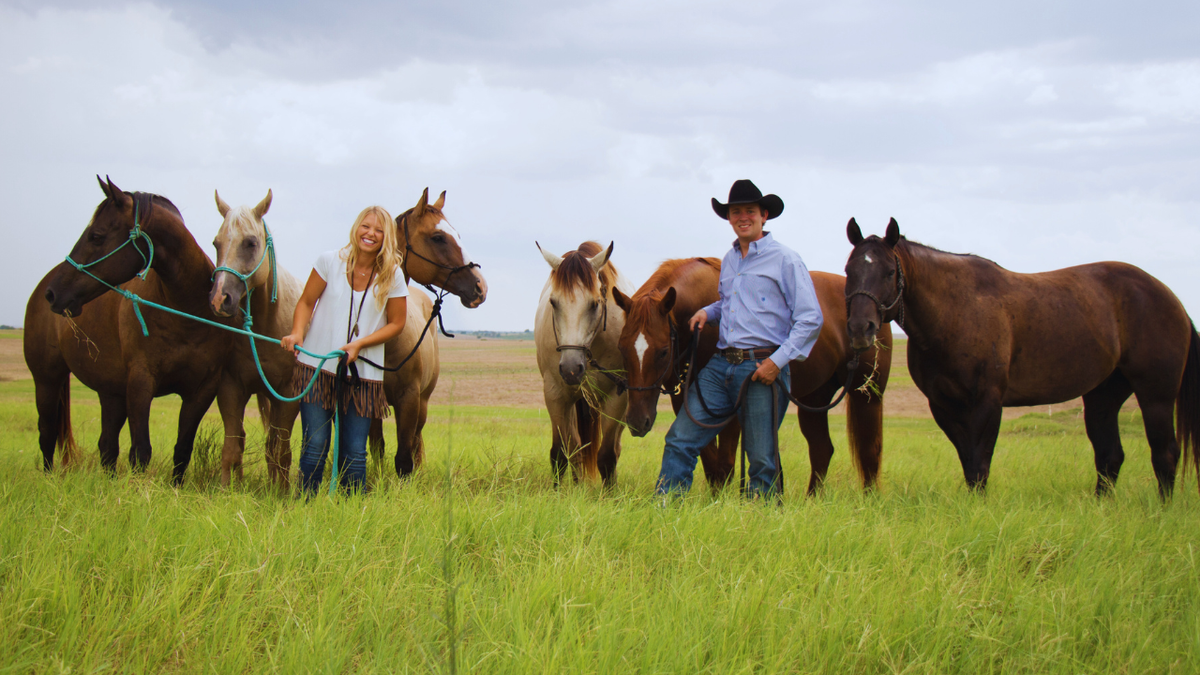
Cattle rancher Cole Bolton and his wife in Texas. (Courtesy of Cole Bolton)
“The real problem is the price difference between the big four packers and what they pay us for the product,” said Bolton, owner of K&C Cattle Company.
Those margins, Bolton said, have been squeezed for decades. “Breeders have faced razor-thin profit margins over the past 20 years.”
While ranchers like Bolton and Harris say the temporary expansion of U.S. beef imports from Argentina could help lower prices in the short term, both caution that it’s no substitute for rebuilding domestic production.
“Imports should be a bridge, not a long-term replacement,” Harris said. “We must rebuild America’s cattle herd, protect America’s farmers, and ensure transparency, so consumers understand where their beef comes from. Long-term affordability depends on a healthy, resilient domestic beef industry – not a continued reliance on foreign beef.”
CLICK HERE TO GET THE FOX NEWS APP
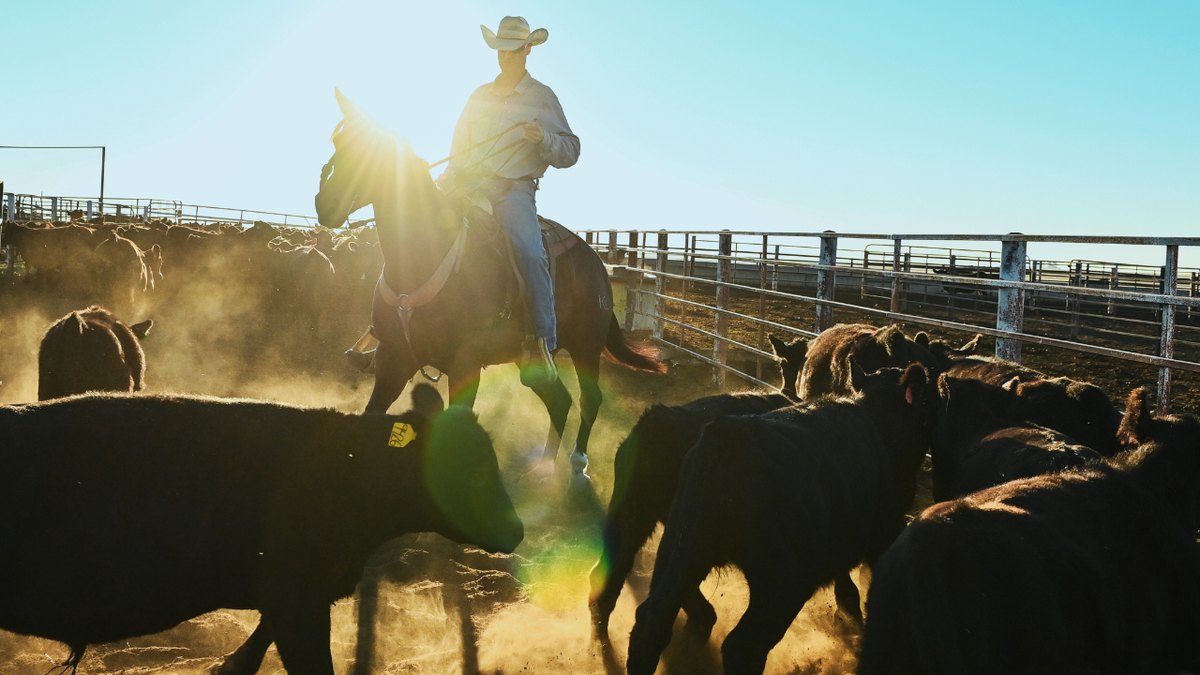
Brad Randel rounds up some of his Black Angus cattle to sell at auction on September 12, 2022 in McCook, Nebraska. (Ricky Carioti/The Washington Post/Getty Images)
Years of drought, high nutrition costs and the aging livestock population has reduced herds, leaving U.S. livestock supplies at their lowest levels in more than 70 years.
“I think it’s going to take time to resolve this crisis that we’re going through with the livestock shortage. My message to consumers is simple: folks, be patient. We need to rebuild our herds,” Bolton told Fox News Digital.
He noted that over the past five years, the beef industry has overcome one setback after another, ranging from market turmoil to extreme weather conditions.


