AMD hyped FSR Redstone hard. The reality is underwhelming


Every December, our team looks back at the whole year. An episode dedicated to our best gear choices. An episode dedicated to the success (and failures) of our first predictions. To prepare, I reviewed the highs and lows of 2025.
The launch of FSR Redstone really sums up the last 11 months.
AMD first announced the arrival of its supercharged graphics enhancement technology for Radeon RX 9000 series cards in mid-November via Call of Duty: Black Ops 7. The game’s launch contained a new machine learning version of ray regeneration. A few days later, the company hinted at a full release on December 10. She didn’t say much afterward. He didn’t throw much either.
At least that’s how the situation feels.
Welcome to The Full Nerd newsletter, your weekly dose of hardware talk from PCWorld enthusiasts. You missed the surprising topics on our YouTube show or the latest news from the Web? You are in the right place.
Would you like this newsletter to arrive directly in your inbox? Register on our site!
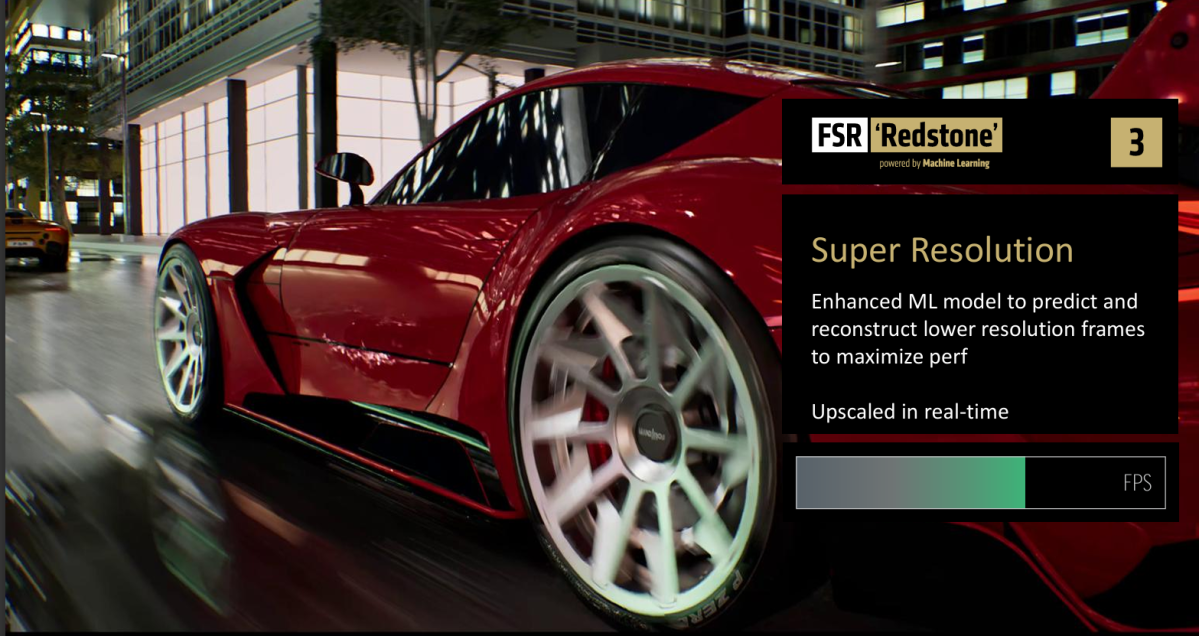
The official debut of FSR Redstone includes four technologies: FSR Upscaling, FSR Frame Generation, FSR Ray Regeneration, and FSR Radiance Caching. Machine learning powers it all.
AMD presents Upscaling and Frame Gen as “new” due to the upgrade. Ray regeneration is truly novel, applying deep learning to denoising ray tracing scenes. Radiance Caching will also be new when released in 2026, offering an intermediate approach to global illumination via projections, rather than real-time calculations.
(Does a product launch if it’s not available until next year? Maybe I’m just being picky.)
Go to AMD’s website and you’ll see around 200 games listed as supporting FSR Redstone, meaning “one or more” of the technologies. This group shrinks considerably to just 32 titles for Frame Generation. And the regeneration of the rays? It only exists in Call of Duty: Black Ops 7 right away.
You wouldn’t be wrong to view Redstone as mostly improved scaling, with the promise of additional visual improvements in the future. But you might not want it.
As early benchmarks show, the relatively small group of Radeon GPU owners who even have access to Redstone may not get much use out of it, nor much of an improvement over previous FSR iterations. Hardware Unboxed’s Tim Scheisser breaks down the irregular pacing of Frame Generation images and how the resulting stuttering will likely affect those with variable refresh rate monitors much more negatively. Meanwhile, Steve Burke and the Gamers Nexus team looked into latency, showing a similar lag when using Redstone compared to FSR 3.1, so it’s still a killer for some games and game modes.
AMD
Of course, the situation is not so bad. The Gamers Nexus video has a fun quiz embedded in its coverage, asking viewers to identify the FSR 3.1 versus the FSR Redstone in a split-screen comparison. I could immediately spot the Redstone version. It’s prettier. And as Hardware Unboxed’s tests showed, Redstone is able to outperform Nvidia’s competing DLSS technology in terms of image quality for some details, making the fight between the two companies closer.
But as an added value for existing Radeon customers (and a select group at that – remember that Redstone features only work on current Radeon 9000 graphics cards), this Redstone launch seems underwhelming. Yes, the promise is definitely there. Yes, AMD has proven before that it can and does improve its technologies. Yes, competition is good and necessary to allow consumers to make healthy choices.
At the same time, PC gamers find themselves facing a hardware apocalypse, where building new devices, or even upgrading them, could become downright unaffordable. If software is to be our saving grace – if tech giants claim that new GPU architectures will continue to show smaller rasterized performance gains – that seems to bode poorly for the future.
“Enshittification” is a term we’ve used before on the show, coined by Cory Doctorow several years ago. The overwhelming majority of 2025 has felt like a turbulent version of this process, both accelerated and erratic. Redstone isn’t necessarily the result of enshittification, but boy, does that drive home the point. Material? Too expensive. Software to bridge the gap? Full of compromises and future promises.
In a year full of big statements and mediocre deliveries, I don’t like this launch as a cornerstone. But maybe that’s the times we live in. Consumers won’t matter to businesses until they realize that this is indeed the case.
In this episode of The Full Nerd
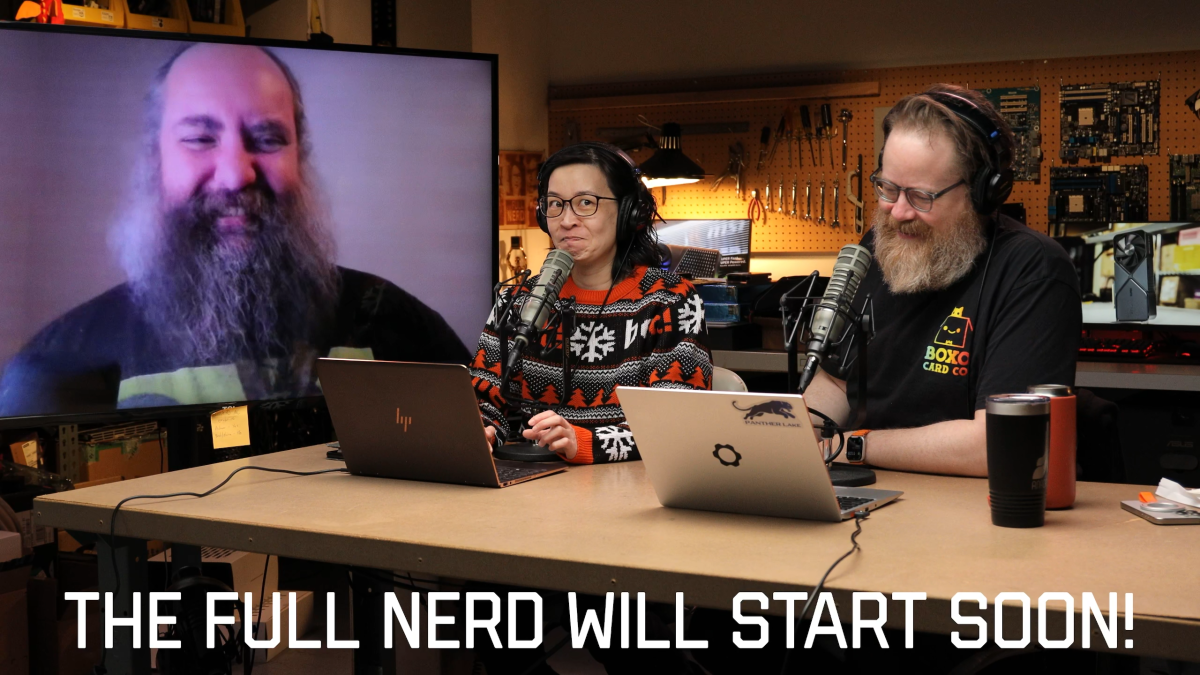
In this episode of The Full Nerd, Brad Chacos, Alaina Yee, and Will Smith discuss the unceremonious end of Crucial at the hands of Micron, the return of 32-bit PhysX, and a rumored B650 life extension. Of course, you’ve already heard some of my thoughts on Crucial last week, but Will and Brad both weigh in on some very relevant points, including the impact on PC vendors like Dell and HP.
Most unexpected (and perhaps unwanted) revelation: Will is willing to touch poop with his bare hands and admit it live on camera. To quote a YouTube comment, “Preshow Unhinged today.”
Maybe a little, yes.
Willis Lai / Foundry
Did you miss our live? Subscribe now to The Full Nerd Network YouTube channel and enable notifications. We also answer viewers’ questions in real time!
Don’t miss our NEW shows either: you can watch episodes of Dual Boot Diaries and The Full Nerd: Extra Edition right now!
And if you need more gear talk during the rest of the week, join our Discord community: it’s full of cool, laid-back nerds.
This week’s offensive nerd news
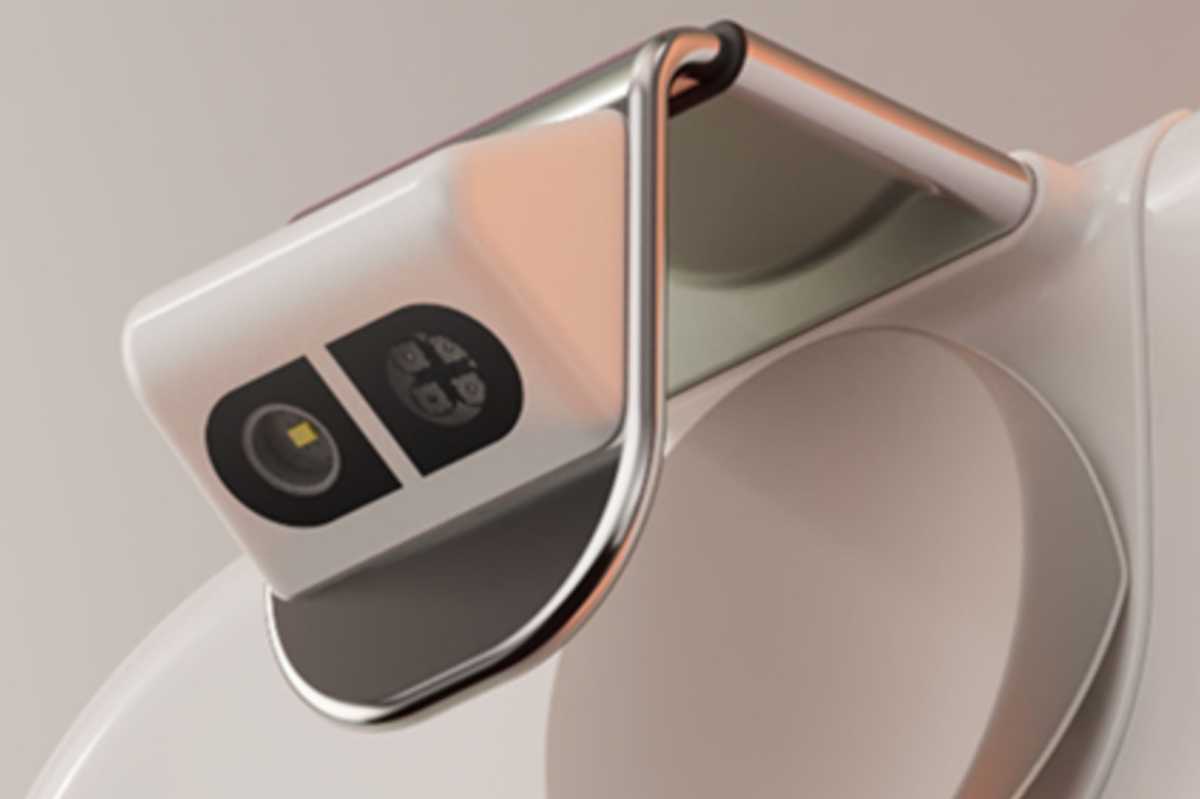
I’m exaggerating a bit, but Kohler’s attitude towards his toilet camera stinks. Just like its crappy version of privacy and encryption. I’m going to be that party animal who reminds you all to always weigh convenience versus safety…and to dig into the details of all safety measures.
Luckily, not all of this week’s exciting news stinks. GOOD. Sort of.
Kohler Health
- Poop by Any Other Name: Kohler obviously doesn’t understand what EE2E means for encryption. Or know other, more basic uses of toilet cameras.
- Backup, Backup, Backup: An AI-flavored reminder that you should always have good backups on hand, in case of disaster. Or maybe predictable results.
- JavaScript was created in 10 days? I am so unproductive compared to the early Internet pioneers.
- Speaking of bloat: Given our complaints on the show this week about Windows 11 hogging resources, the only obvious solution to our problem is this crazy lightweight Linux distro. Or that’s what I imagine Will will tell me at some point.
- An argument for aging gracefully: I guess we all have to accept that white plastic won’t stay white and interfere with the course of nature.
- Are you entitled to AT&T settlement money? PSA: The deadline has been extended to December 18, so submit these final claims if you qualify!

Noctua/Prusa
- Speaking of poopy brown: if you like Noctua’s commitment to earth tones, you can now replicate its exact color palette with a 3D printer.
- Would I go back? Eh: Operation Bluebird wants to reclaim Twitter as a brand, now that use of the name and logo has been abandoned. However, I’m not sure we can return to those halcyon days when we only described our breakfasts in two sentences.
- “Divide by zero, go to hell”: that’s what one of the professors at my university said. Perhaps he knew how disastrous such attempts would be.
- Update Notepad++ if you haven’t already! Traffic hijacking led to malware downloads instead of legitimate updates. You will need version 8.8.9 for the patched version and you will have to update manually.
- This isn’t a friendly rivalry: I can’t imagine having a budget that would fund $50,000 worth of computer replacements/repairs. Let alone create that much damage.
In a few days, I’ll make my nominations for the best of 2025, as well as the worst trend of the year. I asked Adam to let us name more than one trend, because [waves hands at everything].
See you all next week…
~Alaina
This bulletin is dedicated to the memory of Gordon Mah Ungfounder and host of The Full Nerd, and Hardware Editor at PCWorld.