U.S. court convicts Japanese mafia leader for conspiring to traffic nuclear material to Iran


A member of the Japanese yakuza crime group was sentenced to 20 years in prison by a New York court on Tuesday after being convicted of trafficking nuclear materials as well as drugs and weapons.
Takeshi Ebisawa61, has been imprisoned since April 2022 on drug and weapons charges, along with his Thai co-defendant Somhop Singhasiri, after years of investigations by the United States Drug Enforcement Administration.
In February 2024, he was also accused of attempting to sell weapons-grade nuclear material, as well as narcotics, including heroin and methamphetamine, to purchase weapons, including surface-to-air missiles, for armed groups in Myanmar.
Prosecutors said Ebisawa did not know he was communicating in 2021 and 2022 with a confidential DEA source as well as the source’s associate, who posed as an Iranian general. Ebisawa was arrested in April 2022 in Manhattan during a DEA operation.
“After initially proposing uraniumEbisawa offered to provide the general with “plutonium” that would be even “better” and more “powerful” than uranium for Iran’s use,” the Justice Department said Monday.
U.S. District Judge/Southern District of New York/Handout via REUTERS 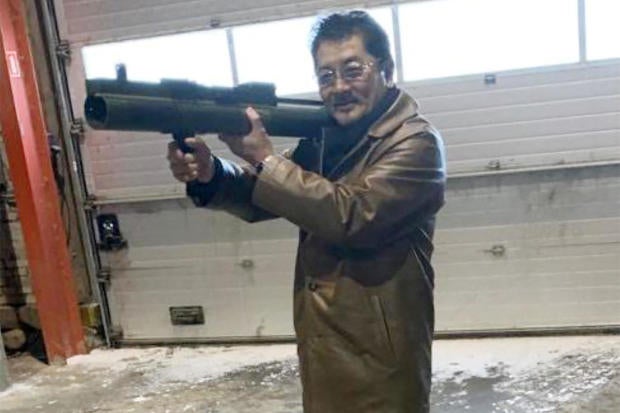
Court documents said Ebisawa — who U.S. prosecutors say is a leader of Japan’s notorious government Yakuza mafia – told a confidential DEA source in 2020 that he had access to a large amount of nuclear material that he wanted to sell. To support his claim, he sent the source photographs depicting rock substances with Geiger counters measuring radiation, claiming they contained thorium and uranium, according to the newspapers.
The nuclear materials came from an unidentified leader of an “ethnic insurgent group” in Myanmar who was mining uranium in the country, prosecutors said. Ebisawa had proposed that the leader sell uranium through him to finance a weapons purchase from the general, according to court documents.
Prosecutors said samples of the suspected nuclear material were obtained and a U.S. federal laboratory found they contained uranium, thorium and plutonium, and that “the isotopic composition of the plutonium” was weapons-grade, meaning enough of it would be suitable for use in a nuclear weapon.
In 2024, prosecutors released photos of alleged nuclear materials allegedly sent by Ebisawa.
Ministry of Justice 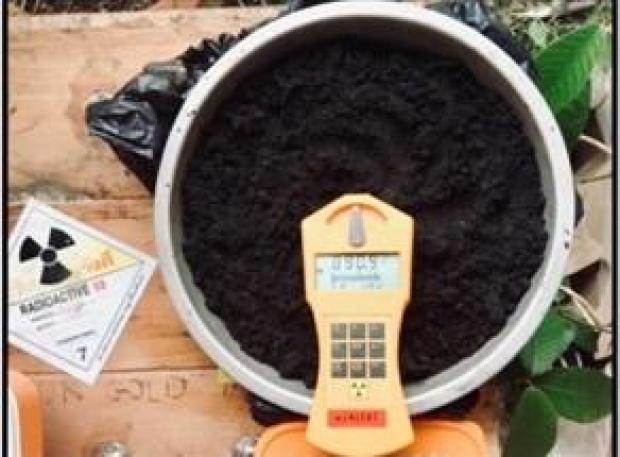
Prosecutors also say Ebisawa conspired to sell 500 kilograms of methamphetamine and 500 kilograms of heroin to an undercover agent for distribution in New York. He also allegedly worked to launder $100,000 in alleged drug trafficking proceeds from the United States to Japan.
He pleaded guilty to a total of six charges in January 2025.
“Takeshi Ebisawa has been held accountable for his crimes, including his attempt to sell weapons-grade plutonium to Iran and flood New York with deadly narcotics,” said John Eisenberg, assistant attorney general for national security.


:max_bytes(150000):strip_icc()/Health-GettyImages-514216872-069a714aa69b47788130ba5dfedc8e79.jpg?w=390&resize=390,220&ssl=1 "6 Foods With More Vitamin C Than an Orange")

