Ghislaine Maxwell seeks to overturn conviction citing juror misconduct


NEWYou can now listen to Fox News articles!
Ghislaine Maxwell is asking a federal judge to overturn her conviction, arguing in a recently filed motion that juror misconduct, suppression of evidence and behind-the-scenes coordination between prosecutors and victims’ attorneys corrupted the trial that put her behind bars.
Maxwell, the longtime associate and accomplice convicted of Jeffrey Epsteinfiled a sweeping pro se habeas petition Wednesday, arguing that “newly discovered evidence” proves she never received a fair trial. The 63-year-old is serving a 20-year prison sentence following his 2021 conviction on sex trafficking and conspiracy charges linked to Epstein’s decades-long abuse ring.
His filing comes as the Justice Department faces growing pressure to comply with the newly enacted law. Epstein files transparency lawwhich requires the release of long-sealed investigative documents linked to Epstein and his associates.
President Donald Trump signed the transparency bill last month that ordered the DOJ to release all of its hundreds of thousands of documents related to Epstein within 30 days. The administration faces a Dec. 19 deadline to publish your files linked to Epstein.
EPSTEIN FILES SHOULD BE PUBLIC AS TRUMP SAYS HE SIGNED LAW AUTHORIZING PUBLICATION OF FILES
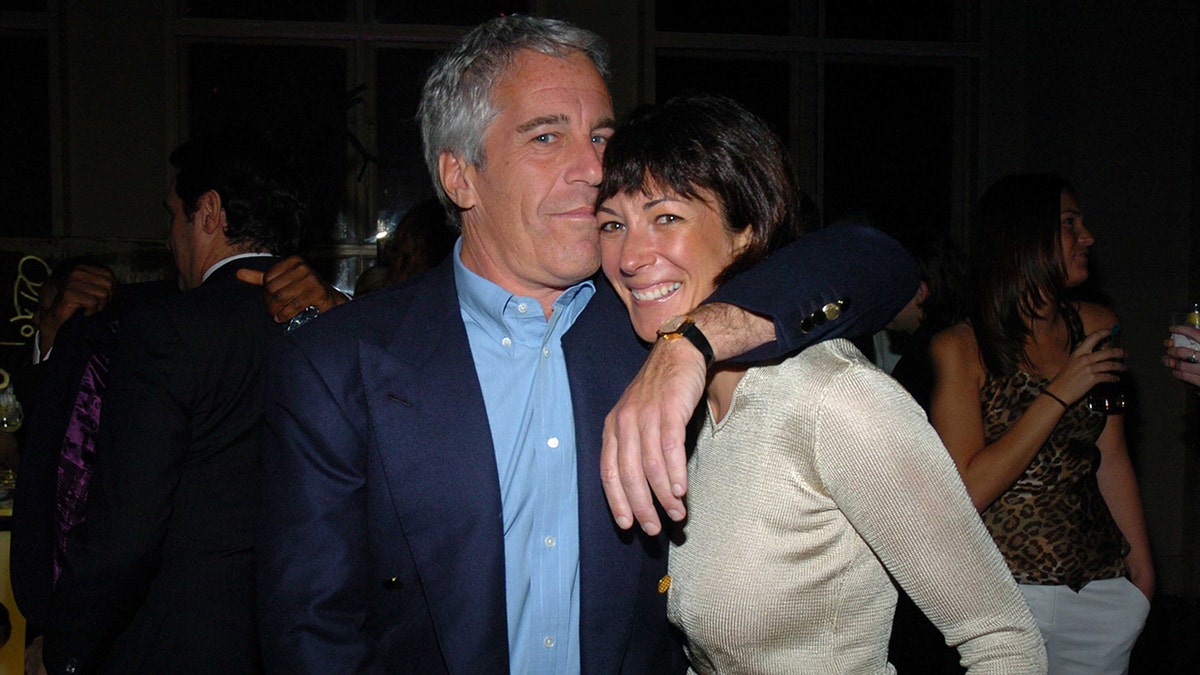
Jeffrey Epstein and Ghislaine Maxwell were both indicted on federal sex trafficking charges stemming from Epstein’s years of abuse of underage girls. (Joe Schildhorn/Patrick McMullan via Getty Images)
A central claim in Maxwell’s latest petition targets Juror No. 50, who publicly revealed after the verdict that he had been sexually abused as a child — a detail he did not disclose in his juror questionnaire.
Maxwell said the omission was intentional and inappropriately influenced deliberations, and she suggested other jurors may also have withheld similar personal stories. Federal courts have already ruled that the juror error did not warrant a new trial, but Maxwell argued that the new statements contradicted earlier findings and warranted new review.
Maxwell also challenged the authenticity of physical evidence used at trial, particularly the massage table introduced to establish the interstate commerce element of the charges. She claimed that recently unsealed grand jury testimony conflicted with law enforcement’s accounts of how and where the table was seized and pointed to discrepancies in labeling and paperwork that she said raised questions about whether the piece presented to jurors was the same item recovered in the 2005 Palm Beach search.
The motion further accuses prosecutors of concealing exculpatory evidence, including internal FBI notesgrand jury records and information about Epstein’s properties and financial dealings. Maxwell claims that access to these documents would have allowed his defense to more aggressively challenge key witnesses and the government’s theory of the case.
FEDERAL JUDGE ORDERS UNSEALING OF EPSTEIN CASE GRAND JURY FILES
Ghislaine Maxwell jogs around the track at FCI Tallahassee, Tallahassee, Fla., Thursday, July 10, 2025. Maxwell is serving a 20-year sentence for sex trafficking in connection with Jeffrey Epstein. (Matthew Symons for Fox News Digital)
Maxwell also alleges that private attorneys representing Epstein’s accusers played an unusual and inappropriate role in crafting the prosecution’s approach. According to the filing, these attorneys worked closely with federal authorities, provided investigative materials, communicated with witnesses and helped influence the development of the case before trial.
The petition once again raises Maxwell’s long-standing argument that Epstein’s 2007 non-prosecution agreement in Florida should have protected her from federal charges.
She claims newly surfaced internal documents show the deal was intended to cover up “potential co-conspirators,” including her, and claims prosecutors concealed plans and communications that would have supported her position. Courts, however, have repeatedly rejected the argument that the Florida agreement precluded prosecution of her in New York.
Maxwell also points to confidential civil settlements involving others linked to Epstein, saying more prominent figures escaped scrutiny as she became the centerpiece of the government’s case.
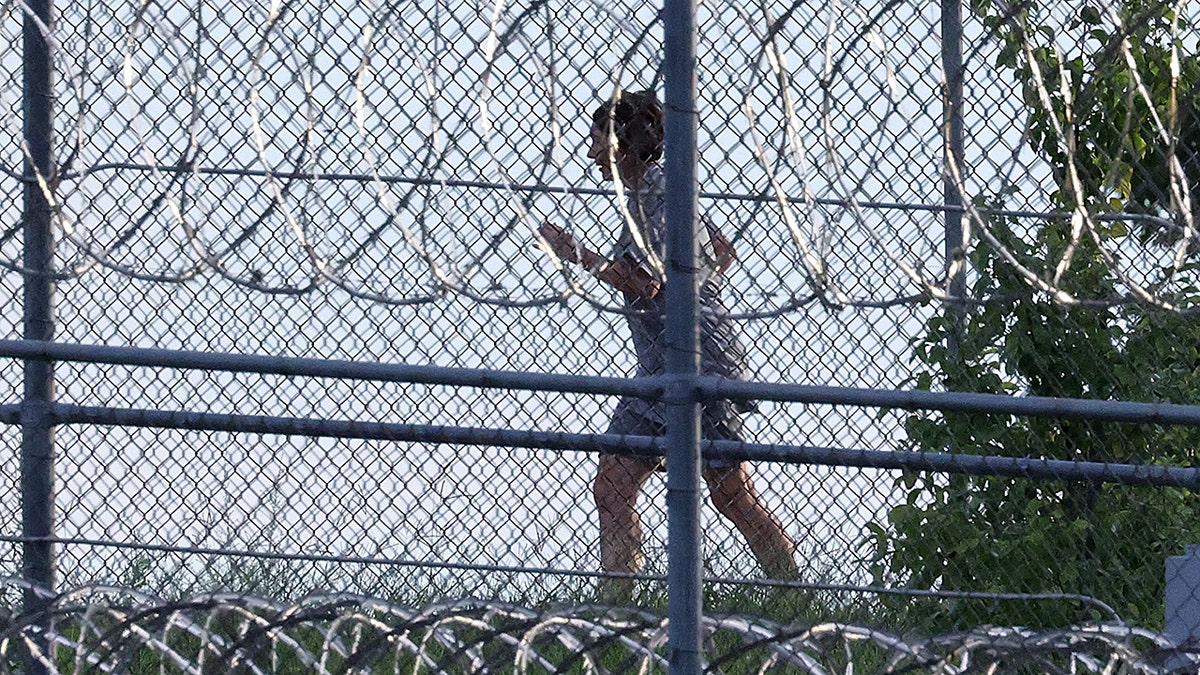
Ghislaine Maxwell jogs around the FCI Tallahassee track, Tallahassee, Fla., Thursday, July 10, 2025. (Matthew Symons for Fox News Digital)
CLICK HERE TO DOWNLOAD THE FOX NEWS APP
She further describes the pretrial conditions at the Metropolitan Detention Center in Brooklyn as “harsh,” citing near-solitary confinement and frequent nighttime checks that she says impaired her ability to participate in her defense.
Maxwell’s petition comes just as the Justice Department prepares to release a new tranche of Epstein-related documents under the Transparency Act — a process that could be affected by ongoing litigation surrounding his case and his allegations about withheld documents.
Fox News Digital has contacted Maxwell’s attorney.
Stepheny Price covers crime including missing persons, homicides and migrant crime. Send story tips to stepheny.price@fox.com.


