Warnings rise for U.S. as severe flu strain H3N2 causes outbreaks in Canada, U.K.


As flu season begins, global health experts are growing increasingly concerned about the emergence of a new strain of the virus in June, four months after the composition of this year’s flu vaccines was decided.
The new strain, a version of H3N2, is causing outbreaks in Canada and the United Kingdom, where health authorities are warning of a first wave that sends people to hospital.
“Since its emergence, it has been spreading rapidly and is prevalent in some countries in the Northern Hemisphere so far,” Dr. Wenqing Zhang, head of the World Health Organization’s Global Respiratory Threats Unit, said at a press briefing on Wednesday.
The version of H3N2 that has been circulating around the world this year “acquired 7 new mutations over the summer,” Antonia Ho, an infectious disease consultant at the University of Glasgow in Scotland, said in a media statement. This “means the virus is very different from the H3N2 strain included in this year’s vaccine,” she said.
The UK is heading “into what looks set to be a cruel winter, with flu cases triple compared to the same period last year”, the head of the UK’s National Health Service, James Mackey, said last week.
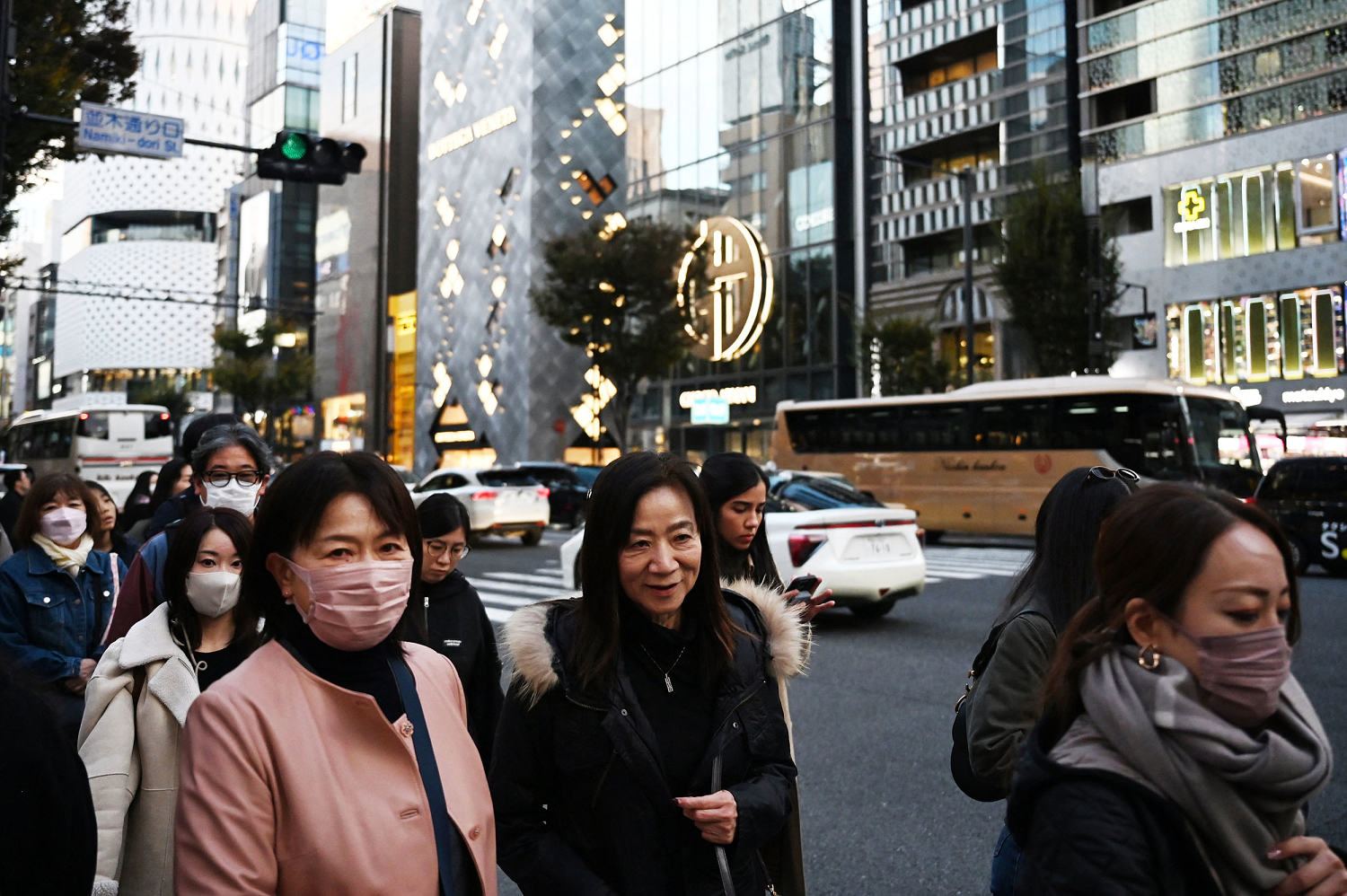
The phenomenon is also accelerating in Canada, said Angela Rasmussen, a virologist at the University of Saskatchewan. H3N2 is generally thought to cause more illness and is worse in older people than other strains. Japan is also experiencing an unusually early and severe flu season, “unprecedented,” Rasmussen said.
Japanese media outlet Nippon TV reported that as of November 4, flu cases in Tokyo were nearly six times the level seen at the same time last year, according to Japan’s Ministry of Health, Labor and Welfare. More than 2,300 daycares and schools nationwide have been at least partially closed due to the outbreak, the outlet reported.
“These are not good signs,” Rasmussen said.
Is this flu strain already present in the United States?
H3N2 is an A strain of influenza. While there are many anecdotal reports of people testing positive for influenza A across the country, the information ends there.
The Centers for Disease Control and Prevention has not provided a detailed national report on flu activity since September 26 due to the government shutdown.
Even if it reopens in the coming days, Dr. William Schaffner, an infectious disease expert at Vanderbilt University Medical Center in Nashville, Tennessee, said the CDC’s “collapse” in the form of mass layoffs could further delay the collection and analysis of flu data. Earlier this year, the Department of Health and Human Services announced it would cut up to 10,000 full-time jobs in the public health sector.
“We’re going to depend on state labs and university labs for and reporting on these investigations,” Schaffner said. “The information will not be as comprehensive, centralized, and as quickly analyzed and reported by the CDC as we have had in previous years.”
Will this year’s flu vaccine help?
Global health officials and drugmakers select which virus strain to include in fall flu vaccines for the Northern Hemisphere each February, based on the types circulating in the Southern Hemisphere. This year’s flu vaccines protect against three strains of flu, including two types of flu A and one type of flu B.
The annual flu vaccine does not prevent people from getting infected with the flu. It is mainly used to alleviate the severity of the disease. Last year, the vaccine was 55% effective in keeping adults with the flu out of the hospital.
On Tuesday, U.K. health authorities released preliminary evidence that this year’s vaccine is 40% effective in preventing hospitalization in adults.
Schaffner still encouraged people to get vaccinated.
“All the data from previous decades shows that even though there is not a close match, vaccine use continues to prevent hospitalizations and intensive care unit admissions and continues to help keep people out of the graveyard,” he said.