Waymo’s robotaxis can’t handle floods, forcing Atlanta shutdown


Waymo’s recent security concerns have caused it to discontinue service in another city. The Alphabet-owned company temporarily halted service in Atlanta after one of its robo-taxis entered a flooded intersection.
As a local NBC affiliate shared in a report, the self-driving car was stuck in the intersection for about an hour following heavy rain in the city. In a statement, Waymo said the National Weather Service did not have time to issue one of the flash flood warnings the company relies on to help cars avoid flooding. There were no passengers at the time.
Similar incidents have been reported
Waymo also issued recalls
The move comes weeks after Waymo froze service in San Antonio following similar incidents, including one in which flooding swept away an unoccupied car. Waymo decided to recall all of its 3,791 robotaxis through the National Highway Traffic Safety Administration (NHTSA) at the end of April due to this issue.
Last week, Waymo rolled out a software update for its vehicles that limited where they could drive when there was a “high risk of encountering a flooded roadway at higher speeds,” according to NHTSA documents.
The Atlanta incident suggests that the current update is not enough. However, Waymo also said in the recall that it was still developing more, but unspecified, “guarantees.”
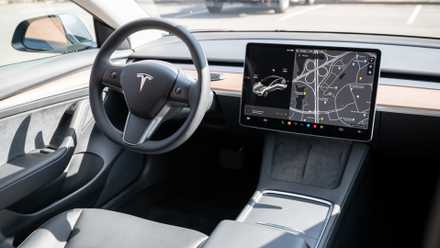
Here’s Everything That’s Wrong With Self-Driving Cars
Hands-free, but not worry-free.
This isn’t Waymo’s first security issue
Children and school buses were a problem

Waymo, like other robotaxi operators, has previously faced criticism over safety. Its driverless cars racked up parking tickets and other infractions in situations they couldn’t understand. They sometimes stop completely as a safety precaution, but this can block traffic or risk collisions.
Officials from NHTSA and the National Transportation Safety Board (NTSB) are already investigating two problems with Waymo machines. In January in Santa Monica, a robo-taxi hit a child at low speed, slightly injuring him. There have also been multiple instances of Waymo cars illegally passing stopped school buses, putting more children at risk.
Nothing new for robotaxis
These problems have historically been difficult to avoid. While Waymo and its competitors regularly train their cars with real-world tests and simulations, there are still extreme scenarios that self-driving systems don’t anticipate. Even as the technology improves, it’s worth noting that most robotaxi services tend to take place in warm, stable climates, where the vagaries of the weather are less likely to complicate navigation.
Source: 10News

:max_bytes(150000):strip_icc()/Health-GettyImages-2149083156-99eaf99da4dd4473b5f238f78f58420b.jpg?w=390&resize=390,220&ssl=1 "Can Eczema Spread?")
:max_bytes(150000):strip_icc()/Health-GettyImages-1426832068-0b1a8bb654e841a581f9ca5e9bdfc9f0.jpg?w=390&resize=390,220&ssl=1 "4 Supplements To Take in the Winter To Support Your Immunity and Energy")

