What do the new ‘GLP-1 Friendly’ food labels mean? : NPR

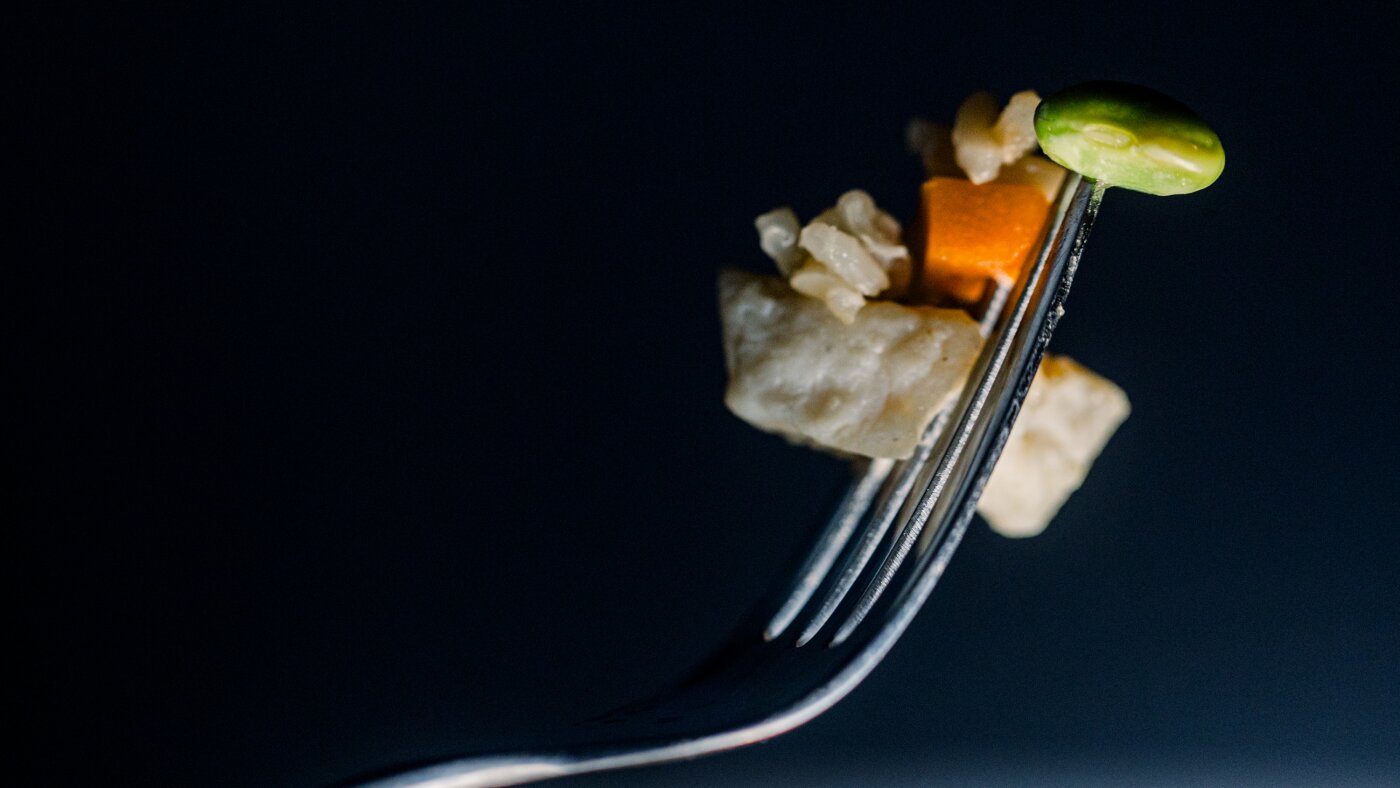

A bite of a Healthy Choice Chicken Fried Rice frozen meal, which features chicken, rice, carrots and edamame in a sesame sauce. Healthy Choice, a Conagra brand, offers a line of frozen meals labeled “On Track,” aimed at GLP-1 users.
Beck Harlan for NPR
hide caption
toggle caption
Beck Harlan for NPR
Some food companies, including Nestlé and Conagra, are responding to the popularity of obesity and diabetes drugs by labeling certain products “GLP-1 Friendly.” The labels target a growing number of consumers taking medications such as Zepbound and Wegovy who may be looking for healthier ready-to-eat meals that minimize the medications’ side effects.
But what exactly does it mean to have a GLP-1-friendly diet?
Proteins, products and H2O
More than smaller portions, nutritionist Allison Wiseman emphasizes balance: protein to combat muscle loss because weight drops quickly, and fiber from fruits and vegetables because medications slow digestion, which can cause constipation and, in extreme cases, intestinal blockages. It is also essential to drink plenty of water, as medications also reduce the feeling of thirst.
Incorporating these principles into meals and following it all is not easy. Many people come to her without having changed their diet after starting GLP-1, because they are able to lose weight anyway, says Wiseman, who has a private practice in Washington, DC.

A close-up photo of the “On Track” label on the box of a Healthy Choice frozen dinner marketed to people taking GLP-1 medications, including Ozempic, Wegovy, Zepbound and Mounjaro.
Beck Harlan for NPR
hide caption
toggle caption
Beck Harlan for NPR
“They went on and off diets [in the past]and I feel like maybe it’s a restriction thing,” Wiseman says, “and it’s really exciting to be able to still eat whatever they want and just have less of it.”
As their hunger is suppressed by the medication, some will skip meals – only to then chow down on richer foods which can cause side effects like nausea, vomiting or constipation.
Still, changing eating habits is crucial with these powerful drugs — especially since data shows that about half of people quit smoking within a year, then quickly regain the weight.
Every bite should count
Wiseman says patients rarely receive nutritional advice from their doctors — and medications alone aren’t a quick or lasting solution without also changing eating habits for better health. “It’s planning, it’s time, it’s work,” Wiseman says.
Nutrition becomes even more important for people taking GLP-1, says Suzy Badaracco, nutritionist, chef and CEO of marketing research firm Culinary Tides.
“It’s about making every bite count,” she says. However, very few people benefit from advice to change their relationship with food.
As medications proliferate and come in easier-to-use pill forms, food companies are beginning to target this increasingly broad demographic. They began marketing products as ready-made solutions to meet their dietary needs.
A new label for a new market
Recently, in the frozen food section of a supermarket near Washington, D.C., Wiseman examined the labeling of one such product: Healthy Choice brand Cajun Shrimp and Chicken Dinner. A label on the front of the package says it’s high in protein, contains 3 grams of fiber and is “GLP-1 friendly.”
“I’m interested in turning this around and seeing what their definition of ‘GLP-1 Friendly’ is,” Wiseman says, turning the box over and going through the ingredients listed on the back, listed in order of importance. The list begins with cooked white rice and chicken, but then the terms become less recognizable: “Carrageenan…dextrose, potassium chloride,” Wiseman reads, pointing to the list of preservatives and stabilizers. “Look, you see that the cooked shrimp are below these items,” she said. “I want the shrimp to be taller…that’s [a] source of protein.”

This “GLP-1 Friendly” label is featured on a Vital Pursuit Vermont White Cheddar Mac and Broccoli Bowl frozen meal. Vital Pursuit is a Nestlé brand.
hide caption
toggle caption
With 3 grams of fiber, that’s a far cry from its recommendation of 25 grams per day. And, with only 220 calories, it might not be enough to fill someone up, even with a reduced appetite. “If someone was eating this, I would suggest having a salad on the side or extra vegetables on the side or incorporating beans,” she says.
Conagra, maker of Healthy Choice, said it has added its “GLP-1 Friendly” checkmark labels to 26 of its existing meals and plans to add 6 additional products. Nestlé, meanwhile, launched a brand called Vital Pursuits targeting GLP-1 users and offering smaller portions in May 2024. Based on consumer response, the company said it has expanded this line with higher-protein meal options.
But Badaracco notes that there is no definition of what “GLP-1 friendly” foods should contain. “There are absolutely no regulated or medically defined standards, so the labels are just marketing,” she says.
Unlabeled and very good for you
And because marketing can be misleading, Wiseman says reading ingredients is time-consuming but necessary for eating well. A bag of hot dog buns she finds in the bread aisle of the Washington, D.C. grocery store is labeled “Keto,” for example, but contains little protein. A side bread, however, meets with approval because its main ingredient is whole wheat, followed by seeds and nuts.
According to Wiseman, the most GLP-1-friendly foods are those that don’t have any labels, like produce and water. But she also recognizes that perishable foods tend to cost more than shelf-stable foods: And require more preparation time. She recommends buying what’s in season or on sale, then packing bags of nuts or fruits and vegetables that are sliced and ready to eat.
“The biggest thing I say is planning: thinking about what your life is, thinking about your schedule, and then where do the foods that take a little more time to prepare fit in?” Wiseman said.
Everyone wants a quick fix, she says, but a healthy lifestyle involves accepting that sometimes there just aren’t any shortcuts.


