Why Americans spend $22 on smoothies despite feeling terrible about the economy


Americans are avoiding dining out, delaying car purchases and looking for grocery deals. Amid anxiety over tariffs and broader tensions over affordability, consumer confidence has fallen to levels not seen in more than a decade, according to the Conference Board, an economic think tank. Currently, it is the wealthiest consumers who generate the bulk of spending in the U.S. economy.
So what explains the success of Erewhon’s $22 smoothie?
The Los Angeles grocery chain that sells these fancy concoctions is doing so well that it opened three new stores in 2025 — its biggest expansion since 2011. The chain reportedly generates between $1,800 and $2,500 in sales per square foot, or up to five times what a typical U.S. supermarket earns.
These are no ordinary mixed drinks; they contain ingredients such as high-quality sea moss gel, adaptogenic mushrooms, and collagen peptides. Often they are accompanied by the name of a celebrity.
It’s all part of the broader boom in the U.S. specialty food market, which has surpassed $219 billion, an increase of nearly 150% in a decade, according to the Specialty Food Association. This far exceeds the approximately 47% growth seen in overall U.S. food sales during the same period.
Independent retail data from market research firm Circana also confirms this growth: Even as inflation-weary consumers have turned to store brands in many categories, premium and specialty products have held up and even increased their dollar market share through 2025. On TikTok, creators who once filmed designer bag races are now posting planks of canned fish for $12. Artisanal chocolate bars that cost between $8 and $12 are marketed as, unironically, “self-care.”
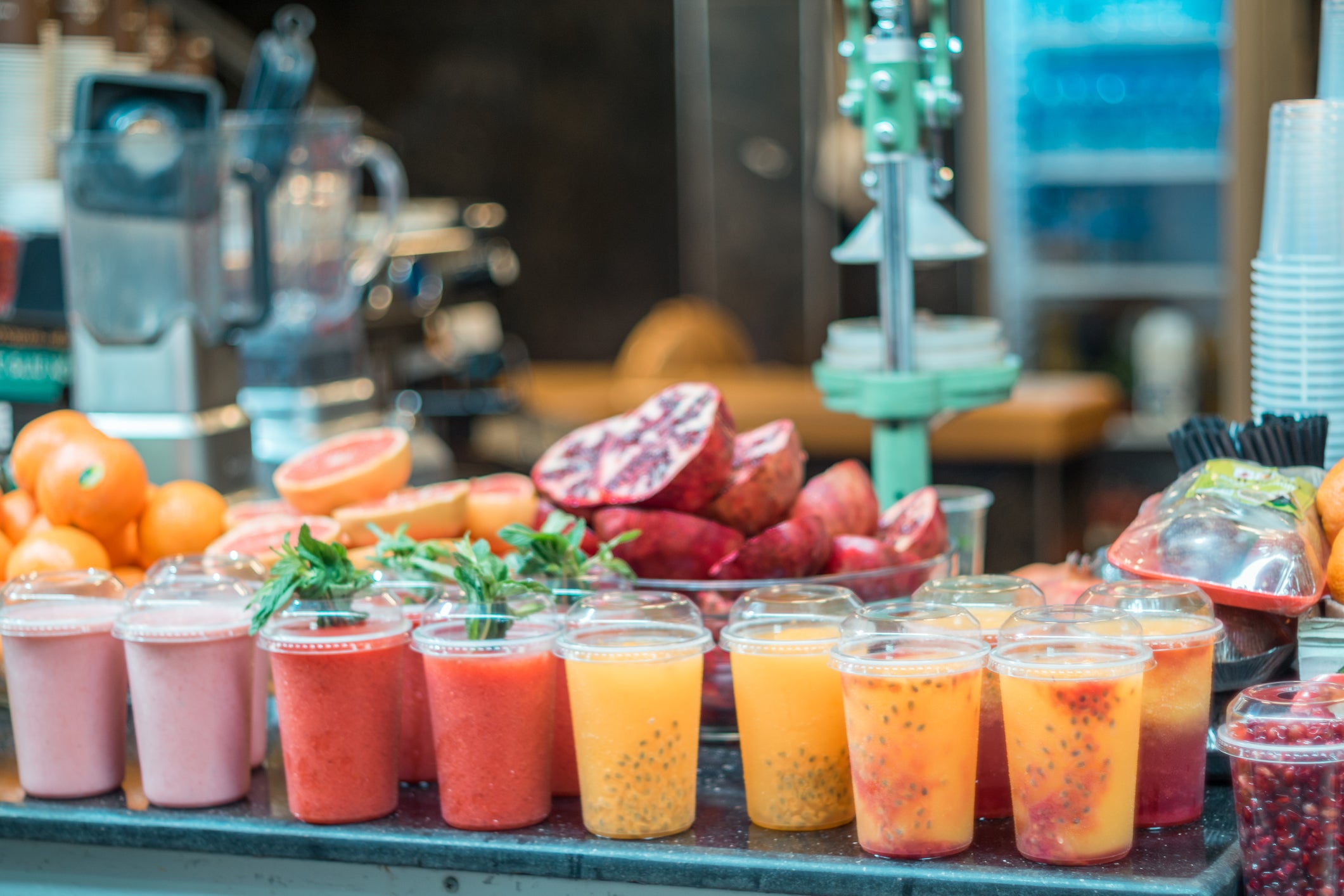
So if consumers are so anxious, why do they continue to splurge? In fact, these are not contradictions, they are two expressions of the same psychological reaction.
When people feel like life is out of control, they turn to something small, expensive, and virtue-affirming. This is the real reason why high-end food is booming while some traditional luxury brands are struggling, consumer psychologists say.
We are professors of consumer behavior and marketing who study how people make purchasing decisions amid economic uncertainty and ask what explains the gap between what consumers feel and what they actually spend. Our work leads to a consistent conclusion: when people feel like they have lost control over the big things, they seek it out in the small.
A little detour through the makeup drawer
Economists have already seen it.
In 2001, Leonard Lauder, chairman of Estée Lauder, coined the term “lipstick index” after observing that lipstick sales increased by 11% after the September 11 attacks. When great luxury seems out of reach, consumers find a small substitute. A $60 lipstick is extravagant for a cosmetic, but next to the Hermès handbag it psychologically replaces, it seems like a bargain.
Then as now, people seek free will wherever they can find it. Consumer psychologists call this “compensatory consumption”: buying things to feel in control when life seems out of control.
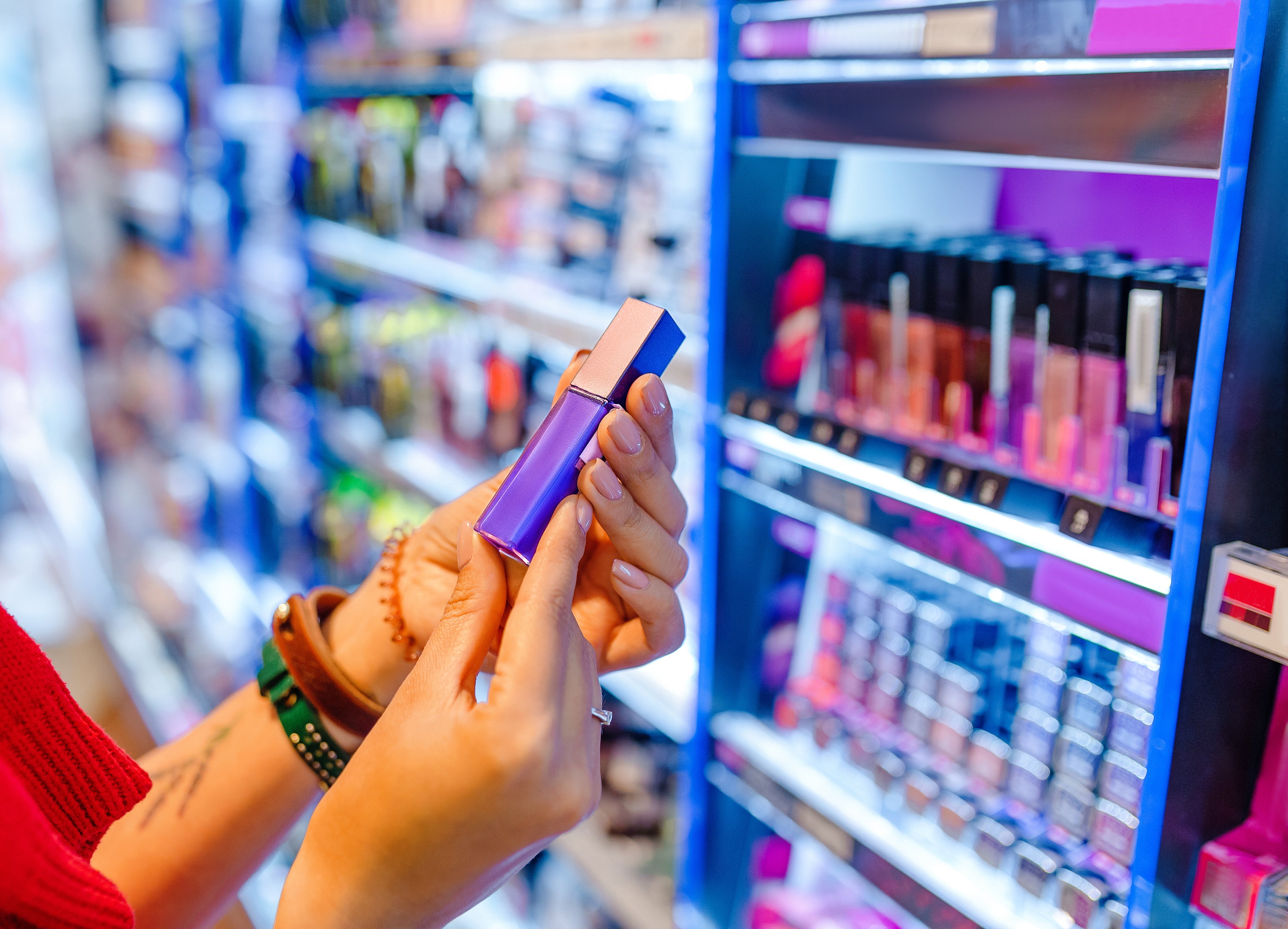
Even though beauty sales are slowing, that momentum hasn’t gone away. He just found better hosts – like the food.
In many ways, food is an ideal product for this compensation. It’s an experience – something you taste, smell and savor. It is also an emotional feeling that evokes comfort, care and home. And it’s visible, because if you’re on social media, what you eat is now as public as what you wear. Premium food isn’t just eaten: it’s filmed, published and performed.
Above all, it remains relatively accessible. Twenty-two dollars may be an absurd price for a drink, but it’s cheap compared to a $400 wellness retreat.
Indulgence with a virtuous side
Here’s what sets this moment apart from Lauder’s lipstick index. This example was all about pleasure, with consumers seeking indulgence as consolation. Today’s high-end food purchases have an added layer: They are coded as virtuous.
An Erewhon smoothie isn’t just a treat. It’s organic, enriched with superfoods and focused on wellness. By the same logic, a $20 bottle of single-estate olive oil isn’t just cooking grease; it’s a commitment to craftsmanship and health. Premium canned fish is not a cooked meal; it’s sustainably sourced, wild-caught protein with packaging that’s beautiful enough to display.
This “virtue coding” does the most important psychological work in the sales transaction: it transforms indulgence into personal investment. You don’t splurge during an economic downturn; you are doing something for your health. You are not frivolous; you support small producers. Research shows that people need reasons to justify enjoyable purchases, especially in times of financial anxiety – and premium foods are powerful because the justification is built into the product. The organic label, the sustainability story, the wellness framework – all of this dissolves guilt before it even appears.
Consumed in cooking and again on food
There’s a reason this trend is accelerating today. Many high-end food purchases are consumed twice: once physically and once digitally. Buying the Erewhon Smoothie isn’t really about the drink; it can be as much about the content as the drink. The canned fish platter is prepared for Instagram before anyone takes a bite.
Social media doesn’t just amplify the trend; it completes it. When you post a photo or video of the smoothie, you show that you value wellness, quality, and intentionality. In a cultural moment where flaunting a designer bag seems tone deaf, food provides perfect cover. It’s the safest flex there is. It’s no surprise that a YouTube video of an Erewhon made by food creator @KarissaEats has been viewed more than 14 million times.
All of this raises a legitimate question: Does the growing focus on the “K-shaped economy” explain this boom? As many economists note, low- and middle-income buyers are increasingly opting out as they face affordability constraints, whether it be health care, housing or education. But wealthier consumers are picking up the slack and more, splurging on luxury and fueling gross domestic product growth.
In this scenario, premium foods thrive because they remain affordable to those who are doing well, even as everyone cuts back on spending. This is partly true. But that explanation doesn’t account for another shift: why affluent consumers are forgoing splurges on items like designer handbags in favor of high-end groceries.
This is why the supervision of virtues is so important. If it was all about having money to spend, traditional luxury would also be booming. This is not the case. A good example is LVMH, the conglomerate behind Louis Vuitton and Dior, which saw profits from its fashion division fall by 13% for the whole of 2025.
About the authors
Yuanyuan (Gina) Cui is an assistant professor of marketing at Coastal Carolina University.
Patrick van Esch is an associate professor of marketing at Coastal Carolina University.
This article is republished from The Conversation under a Creative Commons license. Read the original article.
Even consumers with disposable income need psychological permission to spend during times of anxiety. The high-end food phenomenon is about why food has become what they choose — not about who can afford to splurge.
And when a smoothie becomes a status symbol, it tells us more broadly about economic security. Food prices have soared nearly 30% since 2019, exceeding 23% of overall consumer prices, according to the Bureau of Labor Statistics. For a family on a tight grocery budget, $22 is not a smoothie. It’s dinner.
The need for control, the desire for identity, the comfort of the permission of virtue – all of this is universal. A single mother working two jobs feels the same need for action as the influencer filming her shopping. It’s simply that purchases that meet these needs are increasingly limited by price. Justification only works if you can afford your indulgence.
What’s actually in the basket
The next time you’re in a grocery store and looking for something a little more expensive than you might need, you should pause — not to put it off, but to think about what you’re actually looking for.
Chances are it’s not really about the product. It’s about the feeling of choosing something when the world seems out of control.
A $22 smoothie is never just a smoothie. This is what people look for when they need permission to feel good.


