Why do avocados turn brown so quickly — and are they OK to eat at that point?


The second you opened a lawyer, the clock begins to turn. In a few hours, the fruit goes from an appetizing green to an unattractive brown. But why do lawyers brown so quickly?
It comes back to chemistry. Avocats have an enzyme called polyphenol oxidase (PPO).
The oxidation process, often called enzymatic browning, breaks down the fruit. “Lawyers are a superhigh in fat,” said Fatino. “Humans want this pleasant, buttered and fatty texture.” Thus, as enzymes react with oxygen, creamy fat in the fruit can start to become bitter, which is not so attractive.
A little browning does not mean that you should throw the lawyer, and you can always eat it.
“Only the exposed flesh will become brown, and you can remove this thin layer and take advantage of the green part below,” said Sarah Alsinga dietitian and creator of recipes recorded for Deliciously fed.
The crushing of the avocado can also hide the slight bitterness. But there is a limit, said Fatino. “If you let go too far – I speak like days – you can have a rancid taste,” he said.
How to make lawyers last longer
You may have heard this tip to delay the Browning process: Keep the pitIf you are not ready to use all the lawyer.
“It’s because the pit covers a lot of cells,” said Fatino. A browning can occur around the pit, but it will be green under the pit.
The news is not so good for your guac leftovers. “Conversely, if you break a lawyer, it will be dangerous much more quickly, because there is more surface exposed to oxygen,” he added. However, covering the unused lawyer or the Guacamole prepared with plastic film or put it in an airtight container limits exposure to oxygen and can help preserve it.
Another way to keep a fresh lawyer is to reduce your pH so that it is more acidic. This is why cut and packaged fruits often have lemon or lime juice in the list of ingredients as a preservative – and this could help add a little additional lime to your Guacamole.
“Citric acid in lemon and lime juice delays oxidation,” said Alsing. “Press a little juice on the flesh of the lawyer to delay browning.”
In addition to becoming brown, lawyers sometimes have brown strands that cross them.
“The fibrous wires of the lawyers are called a vascular beams, and they transport nutrients and water to help the lawyer to grow,” Alsing at Live Science told. “These are generally observed only in immature trees lawyers.”
Avocats can also become fibrous if they exceed the tree. If the fruits stay too long after the season, the avocado pit – the fruit seed – begins to germinate. “The seed will probably get more photoassimile [carbohydrates created during photosynthesis] of the tree, and the vascular beams will develop more to breastfeed this seed, “said Fatino.
Environmental stressors can also affect the duration of lawyers. The avocado tree – originally from Mexico and Central America – is sensitive to frost and extreme heat.
“As little as a few more cold degrees, just damage lawyers and lawyers where it could ruin your harvest for next year,” said Fatino. Too much heat makes the tree closed and drops the fruits.
“With any type of physical damage, oxygen can enter and the degradation of fruit will occur more quickly,” said Fatino.
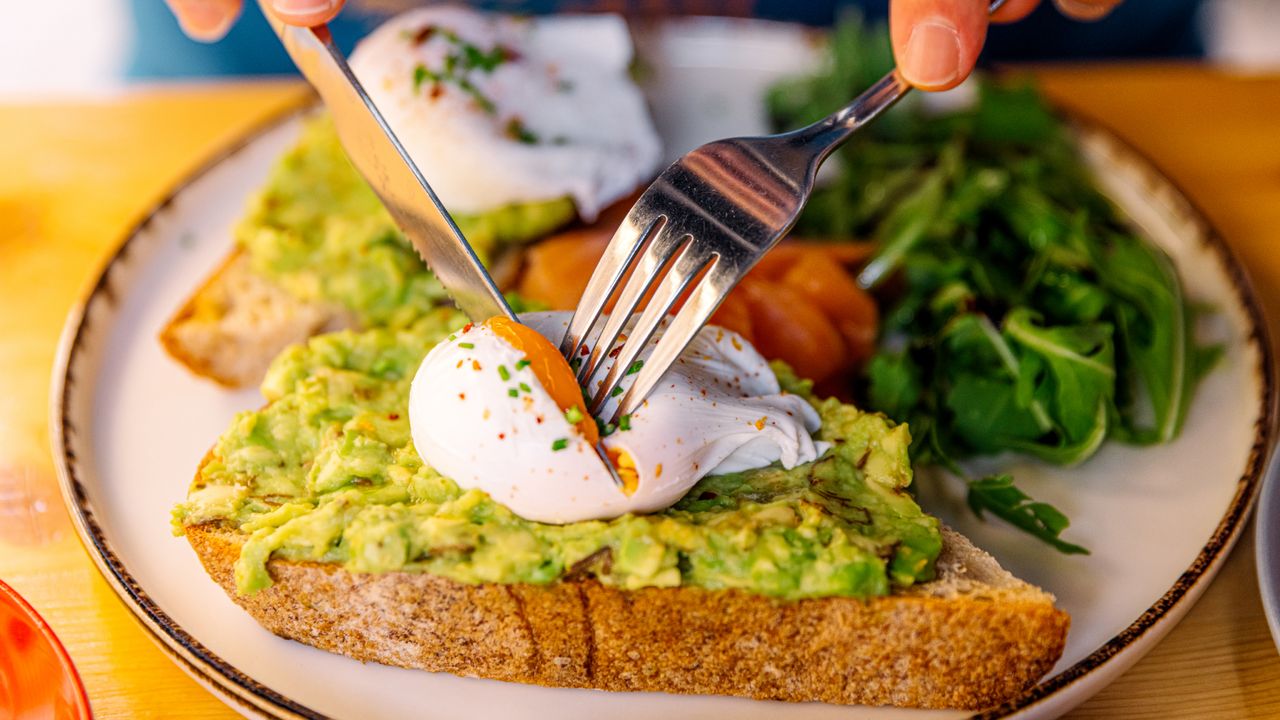
So, whether you crushed it for the Guacamole, whether you cut it on toast or picked it up to eat nature, do not sweat a little browning on a lawyer. Take advantage of the tasty fruits, distance from the oxygen from any remaining avocado and press a little citrus juice.


