Why Tourists May Want To Reconsider Traveling To This Popular Spot In Italy In 2026

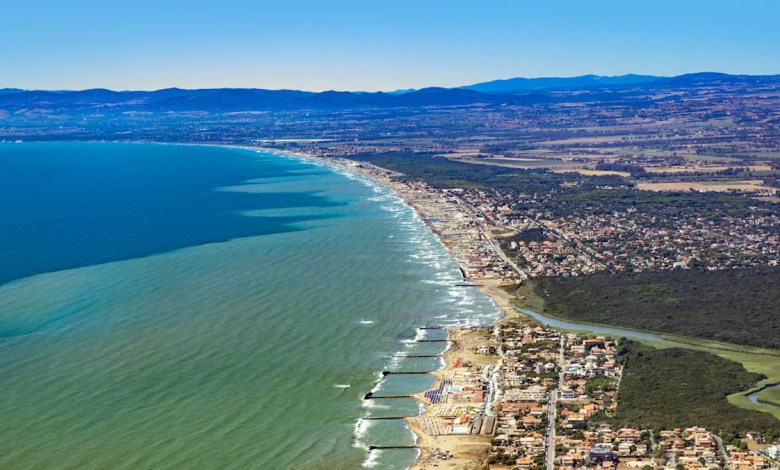
About 20 miles southwest of Rome, on a quiet stretch of Mediterranean coast, lies the pretty provincial town of Isola Sacra. Stretches of long sandy beaches, dotted with traditional pile houses on stilts, line this coastal town. which is located at the mouth of the Tiber. Rome-Fiumicino International Airport “Leonardo da Vinci”, Italy’s busiest airport, is just minutes away, making it an ideal destination for tourists with their sights set on Rome.
Around 15,000 residents are happy to call Isola Sacra home, but tensions are rising with plans to build a new megaport known as Fiumicino Waterfront, a joint venture between Royal Caribbean and Icon Infrastructure. Although construction has not yet started, it has been given the green light, with local authorities saying it would boost tourism and create 7,000 jobs. The mayor of Isola Sacra is also optimistic about the project, saying it will change the city for the better.
But the project is currently stalled due to environmental assessments, community legal challenges and opposition from residents and environmental groups. Many people have protested the proposed port since 2010, giving compelling reasons for visitors to reconsider traveling here. Not to mention the irreparable damage this would cause to the nearby Special Area of Conservation and the rich biodiversity and historical remains there. Isola Sacra was also included on Fodor’s No List 2026, an annual list that highlights destinations around the world where growing numbers of visitors are overwhelming the land and local communities.
Read more: 50 of the Most Fascinating Places on Earth
Reasons to avoid traveling to Isola Sacra, Italy

Two large liners parked in the port of Civitavecchia – as-artmedia/Shutterstock
As local authorities promote the Fiumicino waterfront project to attract more tourists, the question is: does the region really need more tourists? Although Isola Sacra has its own notable historic structures, such as the 2,000-year-old Necropolis of Portus, the proximity to the ancient ruins of Rome is the main attraction. However, Rome is already struggling with the weight of 35 million visitors in 2025, does it have the necessary infrastructure to support more? More tourists means more traffic, increased air pollution and a risk to the quality of life of residents.
Protesters also point out that the construction process, which includes sand dredging and coastal modifications needed to accommodate 230-foot-tall mega-liners carrying up to 6,000 passengers, will devastate the delicate ecosystem. They fear it will cause lasting damage to marine habitats, erasing historic structures, cementing beaches and forever altering the coastline – arguably more than enough reason to never take a cruise.
They also point out that there is already a port nearby, at Civitavecchia, just 47 miles north of Rome. As one of the busiest ports in Europe, several cruise lines already use it to dock their mega-liners. Residents also fear that if the wharf project goes ahead as planned, it will set a precedent for other businesses to expand freely along the coast.
Choose a sustainable trip to Italy

Waves lapping against a sandy beach with historic Sperlonga buildings perched on the hillside in the background – Photo Beto/Getty Images
If you are now reconsidering your planned trip to the Italian coast, there are ways to travel responsibly while still enjoying your dream coastal vacation near Rome. Make sure you’re not contributing to overtourism by choosing less-traveled destinations and prioritizing more sustainable tourism that supports local communities and protects the environment. Getting off the well-trodden tourist trail is a rewarding experience, and you’ll discover a new place without having to wait in line for three hours to see it.
Blue Flag certified beaches are a great place to start. From 2025, having the Blue Flag means a strong sustainability action plan is underway, as well as being recognized for clean water, waste management and accessibility services. In the Lazio region, around Rome, 11 beaches are now Blue Flag certified.
Head to the beautiful seaside town of Sperlonga, with its archaeological ruins and whitewashed walls in its old town. Or Anzio, known for its large beaches and clear, shallow waters. Both are about an hour from Rome and easily accessible by train or bus. Additionally, you can travel more sustainably outside of peak season and support local hotels and independent restaurants rather than big chains. And while you’re at it, slow down, stay a while, and get involved in projects that benefit the local community rather than adding unnecessary tension.
Ready to discover more hidden gems and expert travel tips? Subscribe to our free newsletter to access the world’s best-kept travel secrets. You can also add us as your preferred search source on Google.
Read the original article on Explore.


:max_bytes(150000):strip_icc()/HDC-GettyImages-1487475986-1331b5fb33d34be7b923d4a73a07a326.jpg?w=390&resize=390,220&ssl=1 "Drink Beetroot Juice in the Morning, Eat Ginger With Meals—And 3 More Health Hacks to Try This Week")

