Windows 11 is finally fixing two of its most hated design choices


Summary created by Smart Answers AI
In summary:
- PCWorld reports that Microsoft is addressing two major criticisms of Windows 11 by allowing the taskbar to be repositioned to the top or sides and improving the recommended section of the Start menu with better customization.
- These changes are important for users frustrated with Windows 11’s rigid interface, offering more customization as well as improved widget and search features.
- The updates promise improved performance, reliability, and user control while reducing intrusive AI features based on widespread user feedback.
A repositioned Windows taskbar, a better Start menu: the Windows 11 changes that users have been asking for for years will finally arrive, Microsoft promises.
A memo published Friday afternoon by Pavan Davuluri, head of Windows + Devices at Microsoft, finally promises the daily improvements that Windows users have been asking for for…wow, has it really been five years? What will likely end up being known as the “performance, reliability, and craftsmanship” memo has a number of interesting topics, including less, more thoughtful AI and more practical Windows updates.
But Microsoft is also making adjustments to the parts of Windows you interact with first, and the lack of these features is what prompted me to call Windows 11 “useless” at launch. I’m not going to discuss everything Microsoft promises in this article alone; we will have other articles that will delve deeper into the improvements. This is a deep and detailed restructuring for Windows 11.
Inside the Great Windows 11 Reset
Major changes to Windows startup, taskbar, search, etc.
We typically associate the core of Windows with certain key applications: the Windows taskbar, Start, widgets, search, and the way your PC handles notifications. Microsoft is making adjustments to all of these, pledging to make them “more reliable, flexible and personalized,” according to Davuluri.
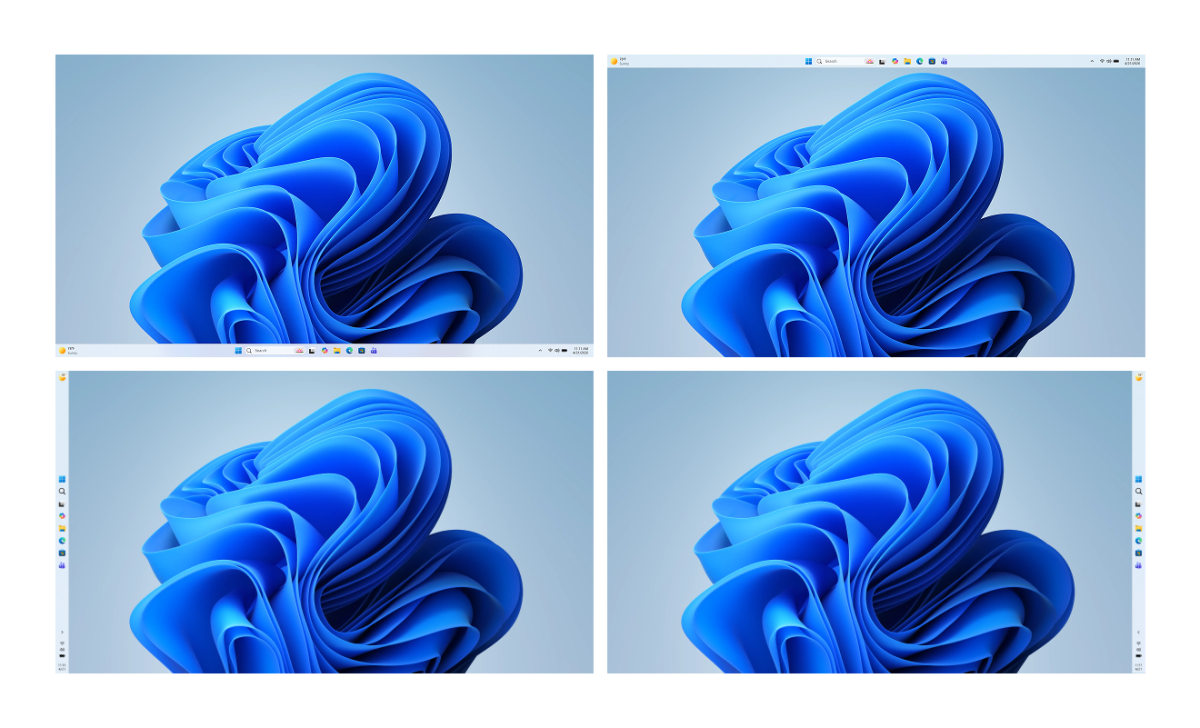
And one of the biggest? The freedom to do with your taskbar however you want. Alleluia! Davuluri promised “more taskbar customization,” including vertical And the first places, And the sides of your screen as well. You’ll even be able to shrink the taskbar, although it’s unclear whether that means smaller icons or simply eliminating unused taskbar space that isn’t occupied by icons.
“Repositioning the taskbar is one of the main requests you made to us,” Davuluri wrote. We’re introducing the ability to reposition it at the top or sides of your screen, making it easier to customize your workspace.
Microsoft
Start is also getting changes, with a more “recommended” section in the Start menu that will feature “the apps and content you’re interested in” as well as “clear controls to personalize the experience or turn it off.” And there could be more. Microsoft hopes to provide “more consistent and reliable access to applications and files,” Davuluri wrote.
It’s a little crazy to think about. Competitors like Stardock’s Start11 have literally built businesses off of Microsoft’s reluctance to change these elements of Windows, offering the ability to resize the Start menu and move the taskbar to where users want it. Microsoft could have adjusted its behavior years ago, but it didn’t.
The ability to find the desired files has caught the attention. When Microsoft launched Windows 11, optimizing Windows Search involved learning a bunch of tips and tricks and then optimizing tools like file indexing. But then Microsoft introduced AI, adding semantic search to places like Windows’ Settings menu and File Explorer.
It looks like Microsoft will improve Search from both a UI and feature perspective. Davuluri’s memo promises “a more consistent search experience across the taskbar, Start, File Explorer, and Settings,” as well as “clearer, more reliable results.” A key element will be a clear distinction between results (apps, files and settings) from your device as well as results retrieved from the web, the memo says. AI is not mentioned, which means we’ll likely see the actual file names rather than some form of clever summary.
Microsoft
The other welcome word used in Microsoft’s memo is “silent.”
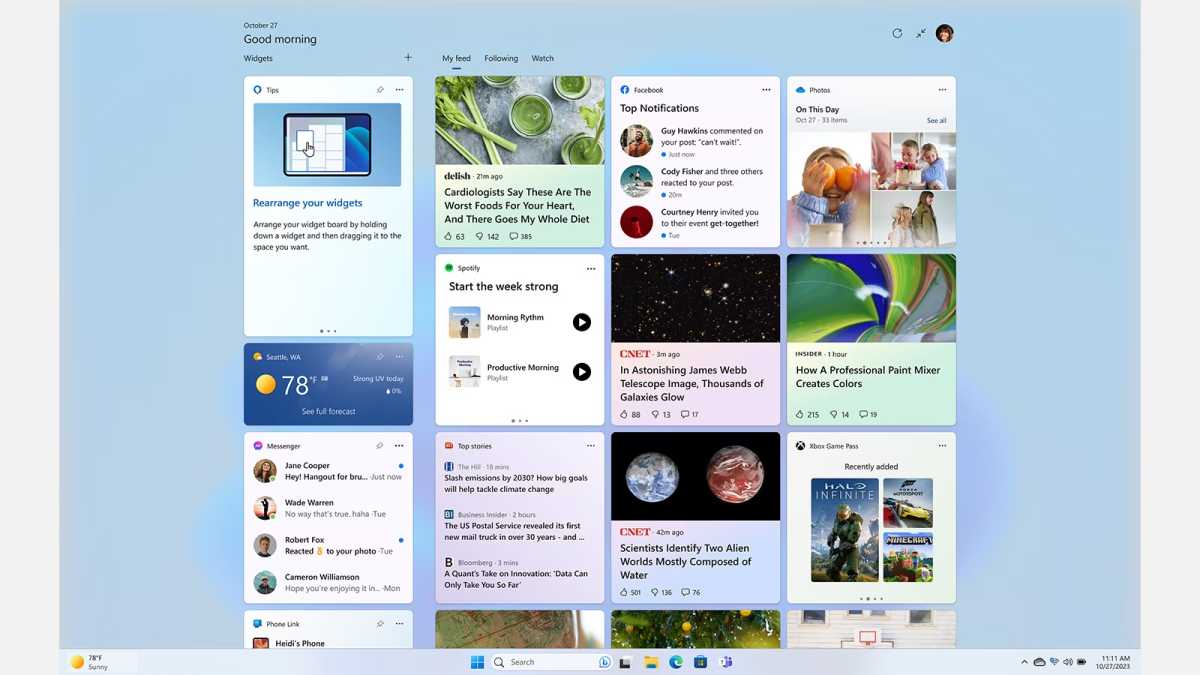
To be fair, Microsoft’s Widget menu – which sits in the right corner of your Windows desktop, usually under the weather forecast – can be easily ignored. But once opened, it’s often a jumble of news and information, and the Widgets menu needs to be managed to optimize its use. Microsoft also promises increased customization of the Discover feed that drives the widgets. It’s not clear if this is the “Curated by Copilot” feed that Microsoft is reportedly working on, or something else.
Microsoft promises that widgets will be more visible by default, with simpler settings that will make customization easier and even disable widgets and feed content. (It’s unclear whether you’ll be able to get rid of the Widgets menu altogether.) Microsoft also promises fewer notifications. Again, it’s unclear if this is limited to widgets or just Action Center notifications that appear in the lower right corner. However, a greater ability to concentrate is welcome.
You’ll even be able to get into Windows faster, as Microsoft promises a faster PC setup experience. Going through all the setup pages is a big hassle, so an improved OOBE (Out of the Box Experience) will surely be welcomed.
A less annoying Windows? One you can configure? Where has Microsoft been over the past five years? Either way, it’s a welcome addition, with hopefully more to come.