Yeah, I’d take Panther Lake in a desktop PC


I’m excited about Panther Lake. Specifically, I like what I see from its integrated graphics and what that could mean for the future.
Panther Lake’s incredible performance is of course not a new concept. AMD was the first to come out last year with vibrant, powerful graphics integrated onto a mobile processor chip. Strix Halo and its performance have been in the news several times in 2025, after catching the attention of The Full Nerd team and other PCWorld staff. But Intel is now putting its feet in the fire, making a quiet dream of mine possible.
Intel’s new mobile architecture can almost rival discrete GPUs, as my colleague Mark discovered during his extensive testing. I might worry about the implications for budget discrete graphics cards – and that’s precisely the question I was asked at this week’s show. Yes, it’s a bit annoying. I don’t want integrated graphics (as good as they are) to replace discrete cards. Being able to swap out a video card, especially one that fails or is too long-lived, shouldn’t be a privilege reserved only for those who can afford high-end cards.
Welcome to The Full Nerd newsletter, your weekly dose of hardware talk from PCWorld enthusiasts. You missed the surprising topics on our YouTube show or the latest news from the Web? You are in the right place.
Would you like this newsletter to arrive directly in your inbox? Register on our site!
I want muscular integrated graphics to be a additional choice for PC gamers and DIY builders. Just think about what this could do for small form factor PCs.
For example, take this little guy from r/sffpc, who actually sports a discrete RTX 5060 in that 1.8L body. (Wonderful work on the part of u/Bjoes92, by the way – oh, so you can make CNC aluminum in your own workshop!) Right now, mini PCs and small form factor builds have a wall between them. But what if this hard line softened?
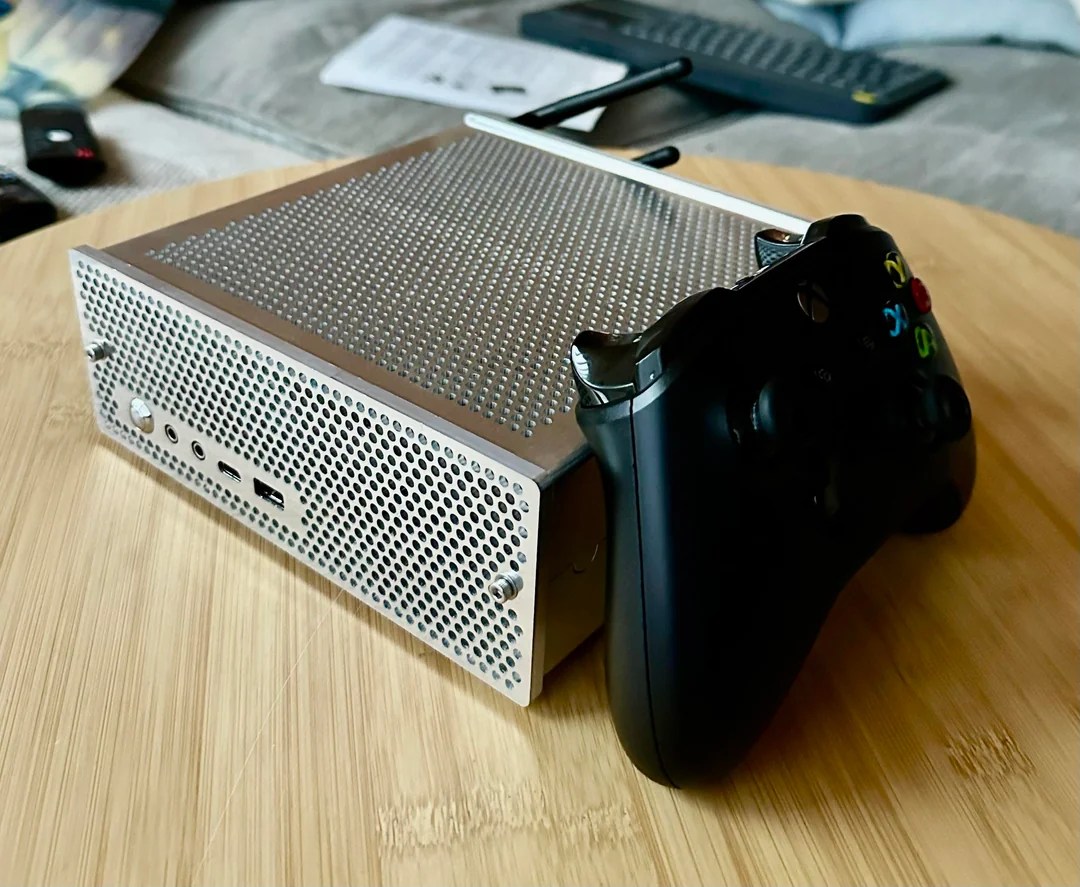
u/Bjoes92 / Reddit
In an ideal world, I’d like to see chips like Panther Lake expand beyond laptops, not just to mini-PCs, but also to SFF versions that straddle the line between DIY kits and simple kits. Perhaps the mini-STX (or an even smaller riff) could become a standard option motherboard, onto which a Ryzen AI Max+ or Panther Lake style chip is soldered. Or, if AMD’s surprising hints at CES are to be believed, such a mobo could support a scaled-down version of socketed desktop components.
(The fact that AMD abandoned the idea of a mobile chip in a socket card means I’m not the only person on the planet wondering about this. Hell, looks like I’m actually late to the party.)
I’d like to do quick SFF builds with a half-DIY, half-simple approach. Lots of performance, little time to get up and running, and can I choose my own case and cooling system? Heck yeah. It would be a more user-friendly version of Intel’s Compute Element concept, and with feet. (The Compute Element didn’t survive long after its 2020 debut.)
Don’t get me wrong. I’m still concerned about the future of budget discrete GPUs. But realistically, consumer technology doesn’t seem ready to see the same advancements we’ve seen over the past decade. So during this downturn, I’d like to at least see some efficiency innovations, advancements that will reduce the necessary size and power consumption of everyday PC components. With so much focus over the past decade on pushing the limits (rightly necessary given the years of stagnation leading up to the launch of AMD’s Ryzen), optimization could benefit from some growth. When consumer hardware takes off again, we home users would better benefit from a landscape that pays equal attention to optimized hardware. (The cost of living will not decrease, especially when it comes to real estate and energy.)
There will always be room on my desk for a full-power desktop, but I love options. I like the choice. I really like small PCs. The idea of broader flexibility and power in a mini footprint also excites me.
In this episode of The Full Nerd
In this episode of The Full Nerd, Adam Patrick Murray, Alaina Yee, Mark Hachman, and Will Smith delve into Mark’s Intel Panther Lake testing (and what that means for other 18A products), Arrow Lake refresh rumors, and gaming performance on Windows 10 versus Windows 11. Will and Mark also share stories about random wildlife. (Will attacks the weasels: “They’re like [mice]but long. “)
We’ve also once again devoted a lot of time to viewer questions and answers (a whole 45 minutes!), which means you all have a lot to ask us. We love it. (For real.)
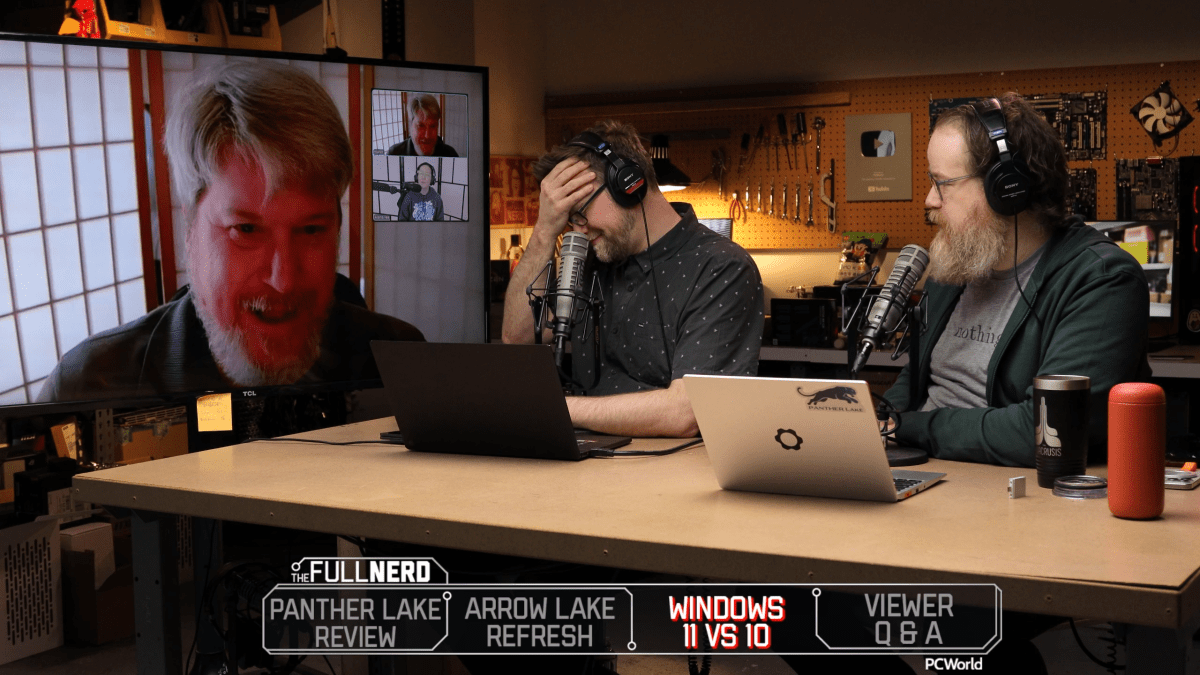
Willis Lai / Foundry
Did you miss our live? Subscribe now to The Full Nerd Network YouTube channel and enable notifications. We also answer viewers’ questions in real time!
Don’t miss our NEW shows either: you can also watch episodes of Dual Boot Diaries and The Full Nerd: Extra Edition on our channel. MORE! Adam just teased a new joint venture with Retro Gaming Corps…
And if you need more gear talk during the rest of the week, join our Discord community: it’s full of cool, laid-back nerds.
This week’s various nerd news
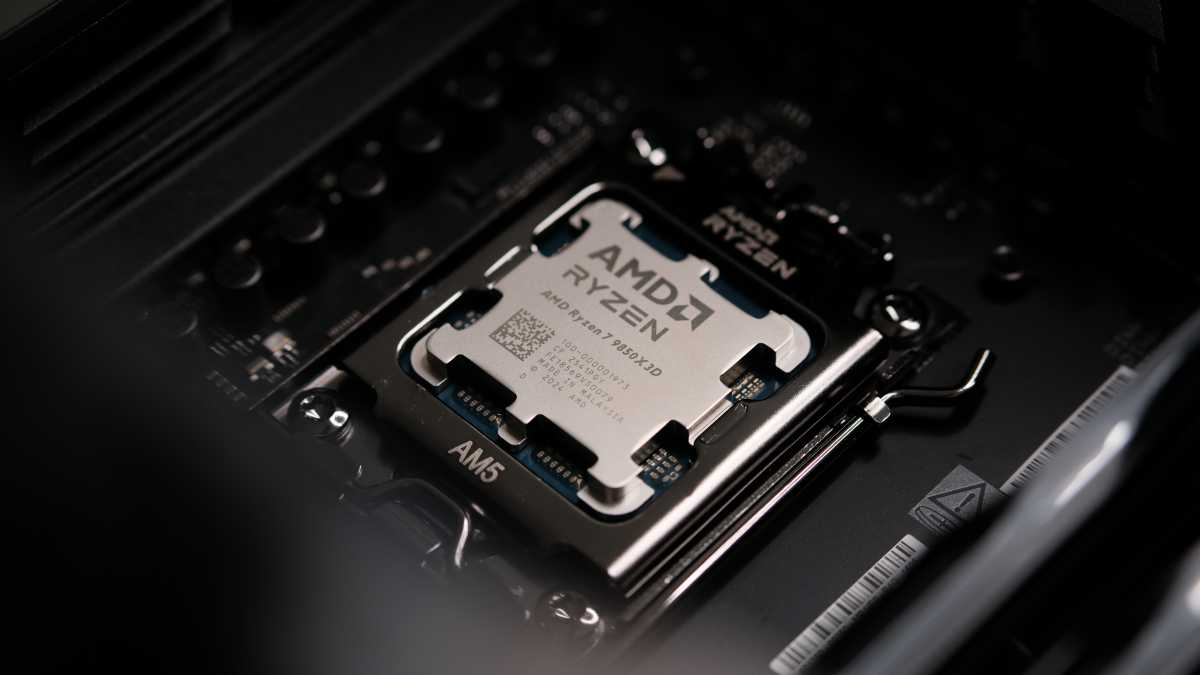
This week I found myself scouring the internet for interesting information – and what came up was surprising. Of course, the big news was AMD’s launch of the 9850X3D, which Adam tested for us. But I had never thought deeply about memory production in China before, which Gamers Nexus helped me solve. (Thanks Steve!)
Adam Patrick Murray / Foundry
- Adam tested the 9850X3D: As I note in my written summary of his findings, it’s… good. Yes, it’s the best gaming processor. But the overall DIY building landscape complicates its appeal.
- I want to try this now: A determined British guy repurposed his house’s standard telephone wiring for Gigabit Ethernet. It’s absolutely me who is currently investigating whether US phone lines have similar capabilities.
- Sigh: The US cyber defense chief uploaded sensitive information to the public version of ChatGPT.
- The Rise of Chinese Memory: This deep dive from Gamers Nexus into Chinese investment in memory manufacturing is both educational and fascinating.
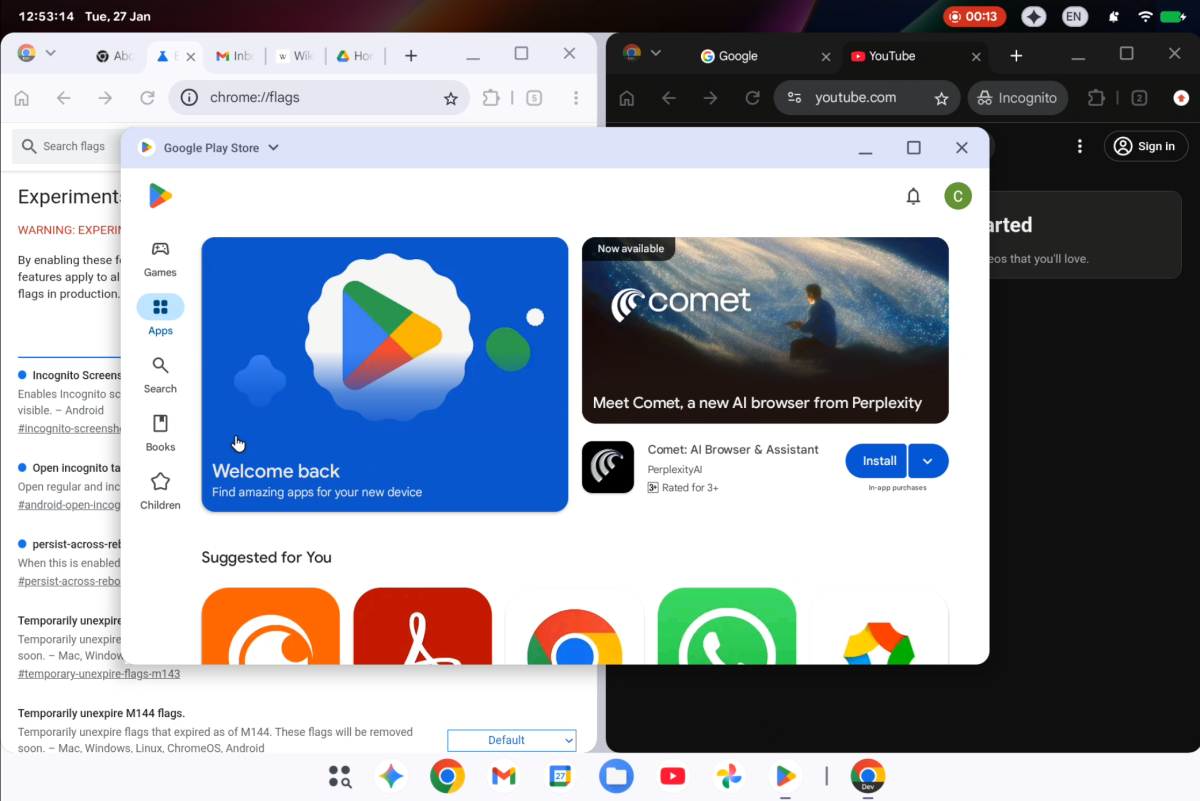
Our first look at the ChromeOS successor.
9to5Google
- I’m nervous: It looks like the first preview of Google’s new AluminumOS recently leaked – and while I’m hopeful about its eventual launch, I’m also still worried. (What will happen to ChromeOS Flex?)
- Oops: a five-ton Japanese satellite fell from the rocket it was attached to during flight. In some ways, it seems like a light-hearted moment, thanks to the image released by the Japanese space agency depicting what happened. (Plus, my taxes didn’t pay for it, so.)
- The sound will stay in my head forever: Microsoft intentionally discontinued modem support in Windows 11. The reason is logical, but the result is still a bit sad.
- Better late than never: having a succession plan is a good idea for any group; so it’s a smart decision on the part of the Linux community.
- I found the problem: Haters of small form factors criticize the versions for insufficient airflow. This article in the r/SFFPC subreddit clearly illustrates the real problem. The really cute (but still very problematic) problem.
See you next week, it should finally be a little warmer. Also, you know that when you live in a neighborhood, certain things don’t bother you? For example, earthquakes are normal to me, but the PCWorld staff on the East Coast seems slightly alarmed whenever we West Coasters talk about them.
Well, I had the opposite experience when I learned that you can have a heart attack while shoveling snow. Our East Coast team? They just said, “Oh yeah, that happens here sometimes.” »
I’m happy to live in a temperate climate.
Alaina
This newsletter is dedicated to the memory of Gordon Mah Ungfounder and host of The Full Nerd, and Hardware Editor at PCWorld.


