513 humpback whales gather at massive Caribbean breeding ground


The humpback whale (Megaptera novaeangliae) is widely considered a success story in wildlife conservation. Before the global ban on commercial whaling in 1986, marine biologists estimated that there were still only about 10,000 marine animals left in the world. Today, more than 135,000 of them swim in Earth’s oceans.
This ever-increasing population is a testament to both human management of the environment as well as the adaptability and intelligence of the humpback whale. But even the scientists aboard the superyacht-turned-research vessel M/Y Comfort were surprised by the large number of whales during a recent excursion to the Caribbean. Talk with Popular sciencethe EYOS Expeditions team has confirmed that Navidad Bank, a shallow underwater coral formation approximately 62 miles off the coast of the Dominican Republic, is one of the most densely populated humpback whale breeding grounds in the world.
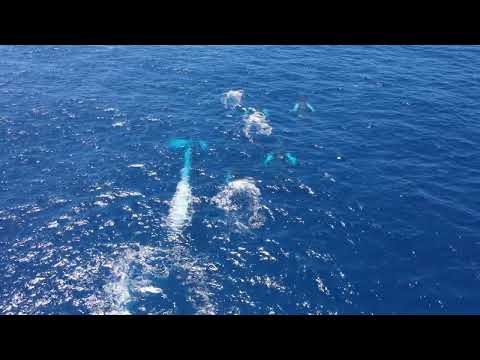
EYOS expeditions discover humpback whale breeding ground near Navidad Bank in Dominican Republic
“This is an extraordinary testament to the power of long-term marine conservation,” Jonathan Delance, conservation manager at the Dominican Republic’s Ministry of Environment and Natural Resources, said in a statement. “Decades of conservation have allowed humpback whales to thrive in Dominican waters, and the density documented at Navidad Bank highlights the global importance of creating a sanctuary for our precious marine life.”
Depending on their location, humpback whales typically spend much of the year in colder waters closer to the poles, where they feed on abundant sources of krill. As ocean temperatures warm, they instinctively migrate to breeding grounds around the world, including the Caribbean. Female whales typically gestate for about 11.5 months and typically give birth to a single calf, which then spends about a year with its mother before heading off on its own.
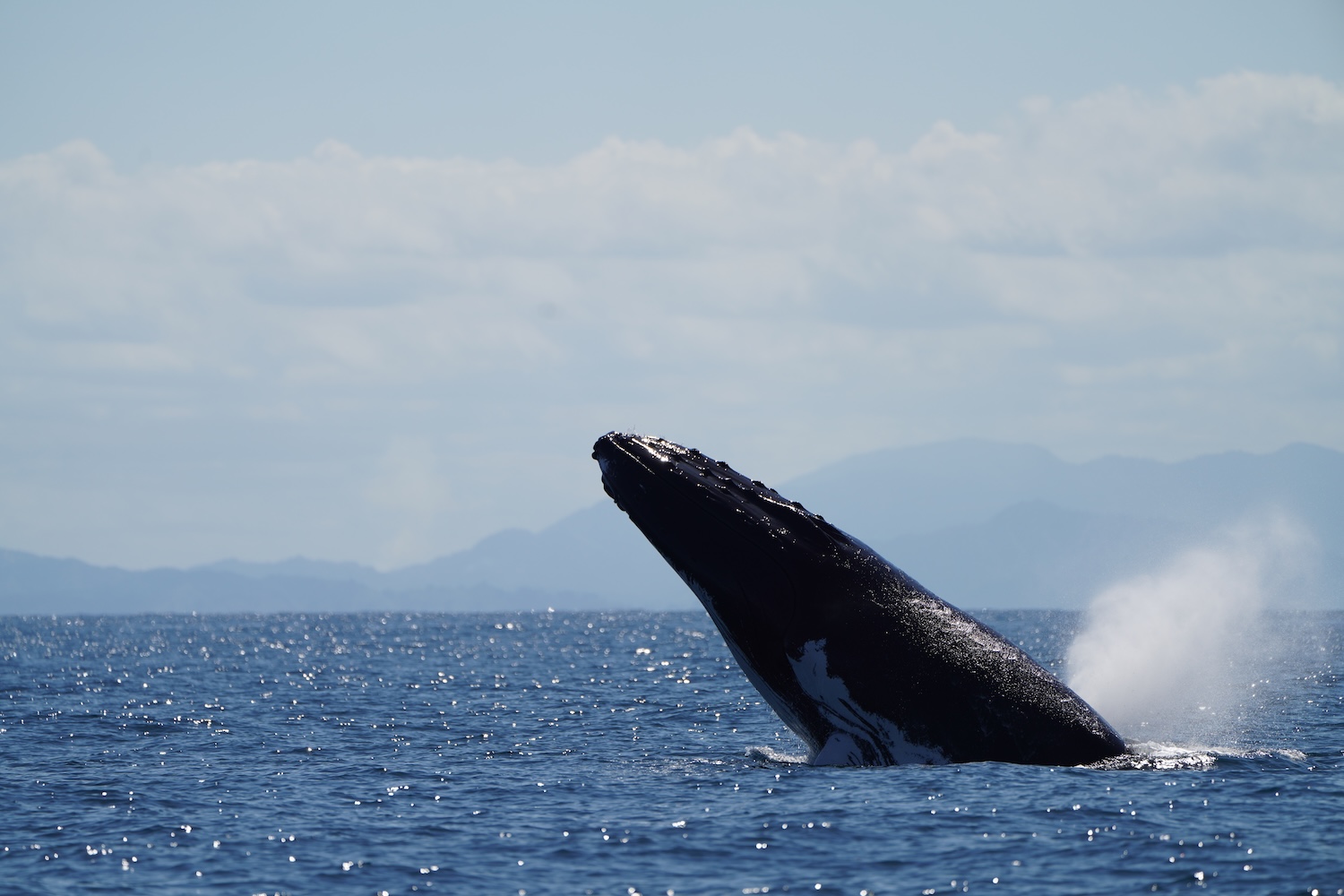
Orchestrated in collaboration with the Government of the Dominican Republic and the Caribbean Cetacean Society, the visit to Navidad Bank by scientists from Fundación Puntacana and Fundación Dominica de Estudios Marinos/FUNDEMAR captured incredible footage and images of North Atlantic humpback whales as they journeyed through their winter nursery. The sightings peaked with a total of 513 whale sightings in a single day. According to the team, the event is all the more incredible because the whales gathered well before the peak migration period which usually extends into March and April.
“We have seen a profound shift towards travel that provides meaning through genuine exploration,” added Rob McCallum, co-founder of EYOS Explorations. “Our guests are increasingly investing their resources in moments that contribute to our understanding of the natural world. »
The full results will be presented to the International Whaling Commission in hopes of further highlighting Navidad Bank’s critical role in helping some of the ocean’s largest and most fascinating animals thrive.

The best new PopSci 2025 releases


:max_bytes(150000):strip_icc()/Health-GettyImages-2190414294-77dec2a7a2a74ca0a395a679e4b2ac39.jpg?w=390&resize=390,220&ssl=1 "How Long Does It Take for Ozempic To Work?")
