Why did a male bird lay an egg?


For wild birds, sexual inversion can be more common than ornithologists originally. A new study on around 500 birds of five species revealed that up to six percent had the physical characteristics of a biological sex, but the genetic composition of the other. In a case, a genetically male kookaburra had a distended oviductor. The only possible conclusion of scientists? The male bird had recently laid an egg.
“This indicates that the determination of sex in wild birds is more fluid than we thought – and can persist in adulthood,” said Dominique Potvin, behavioral ecologist, ornithologist and evolutionary biologist at the University of Sunshine Coast in Queensland, Australia. Potvin is also co-author of the study published on August 13 in the journal Biology letters.
Not so simple
Sexual inversion is well known in fish, amphibians and reptiles. However, it is rarely documented in wild birds and mammals. In humans, those who were born with XX chromosomes generally develop as women. Those with XY chromosomes are generally men. However, these are the genes transported on These chromosomes (not the chromosomes themselves) which are the main actors to determine biological sex. For example, the Syre The chromosome gene is which will generally launch male development among mammals.
The way these genes are expressed cellul by cell is also important. Individual cells of chickens, zebra fish and fruit flies all have their own sexual identity. This identity is based on the genes that cells contain or express, instead of being influenced by global hormone levels. If different cells have different sets of chromosomes, this can lead to animals considered as gynandromorphs, which show male and female characteristics.
In humans, the term intersex describes a body that falls outside the strict male-feminine binary. Generally, it is a person born with organic sexual characteristics that are generally not men or women, or who develop them naturally during puberty. A person who is intersex is born with sex chromosomes, external genitals or an internal reproductive system which is not considered typical of a woman or a man. Intersex Society of America believes that 1 in 1500 to 1 in 2000 is considered to be the intersex, but it is a statistic difficult to calculate.
[ Related: Rare bird with half male and half female plumage photographed in Colombia. ]
DNA does not always tell a complete story
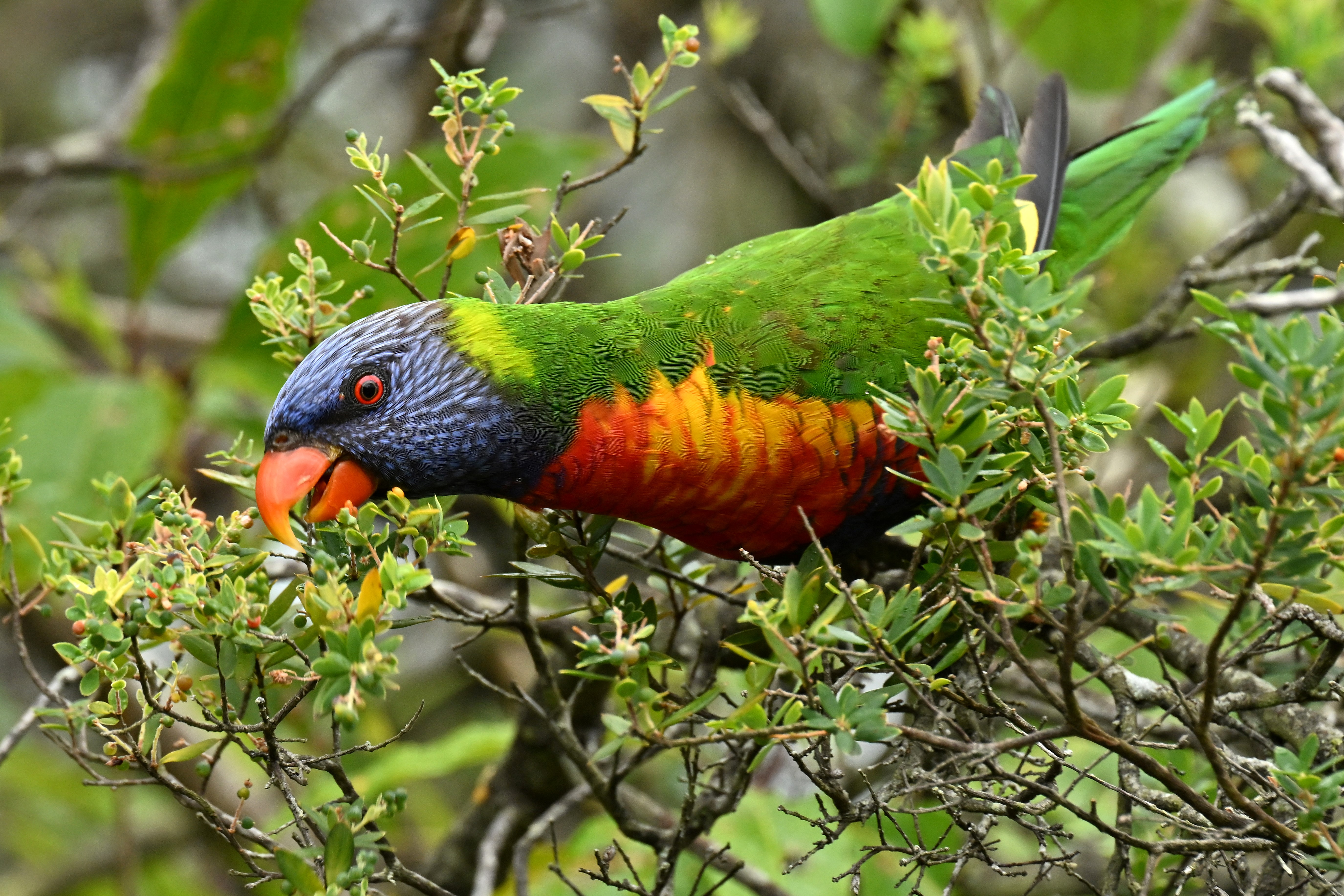
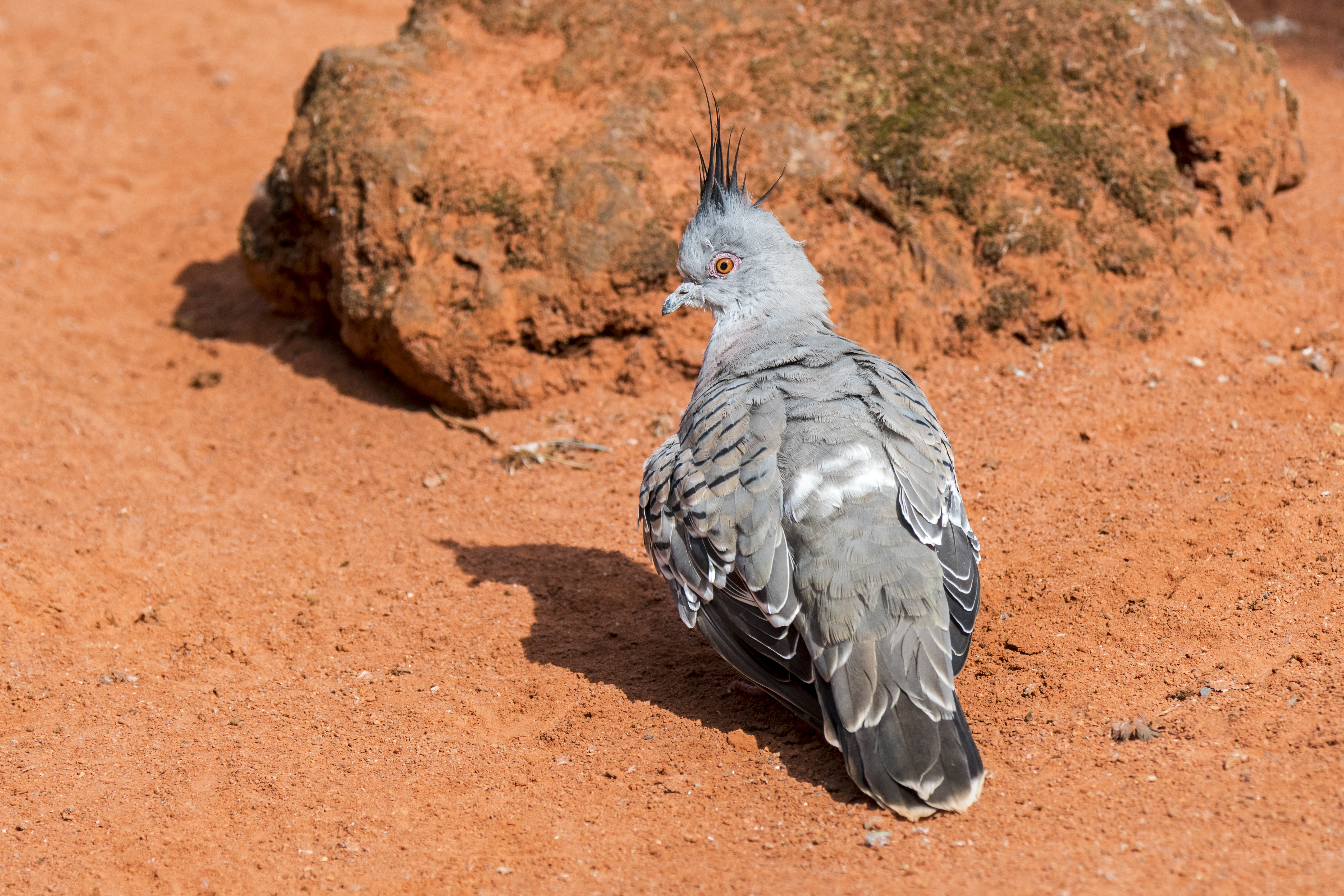
The study examined five species: Australian pie (Gymnorhina Tibicen), laughing Kookaburra (Dacelo novaeguineae), crest pigeon (Lophote oxyphaps), rainbow Lorikeet (Moluccanus trichoglossus), and the Lorikeet with scaly breasts (Chlorolepidotus trichoglossus). Birds had already been treated for injuries or diseases in the Southeast Queensland fauna hospitals and were all examined after their death. The team identified its reproductive organs, then tested its DNA to determine their genetic gender.
Birds inverted by sex have all been classified in three ways: genetic men who have a complete female phenotype (that is to say all the observable characteristics of an organism), genetic women with a complete male phenotype and birds showing a combination of testicular and ovarian characteristics.
“One of the main conclusions was that 92% of birds inverted by sex were genetically female but had male reproductive organs,” said Potvin. “We also discovered a genetically male kookaburra which was active reproductive with large follicles and a distended oviductor, indicating a recent production of eggs” – our male peeler friend.
In addition, two genetically female crest pigeons had testicular and ovarian reproductive structures.
The presence of individuals reversed by sex in a population could affect the success of the reproduction of a bird. Bad mail season can issue serious problems for endangered species, such as the Emperors of Antarctica.
“This can lead to asymmetrical sex-rates, a decrease in population sizes, preferences of modified partners and even a decrease in the population,” added the co-author and biologist of the study and ornithologist Clancy Hall.
Sexually ambiguous birds also question the traditional methods of identifying birds. These include genetic markers, plumage (such as male peacocks with more elaborate plumage to attract a companion) or behavior.
“The ability to unequivocally identify sex and reproduction status of individuals is crucial in many areas of study,” said Hall. “We have now established that DNA evidence does not always reflect suspected sex. Bird researchers often take small DNA samples in the blood or feathers and make decisions according to the results showing men or women, but this could actually be false up to 6% of the time. “
Clues search
According to the team, the causes of the sexual inversion of these birds are not clear. More studies are needed to better understand environmental triggers. These types of factors are not unknown in nature. The temperature can affect the sex of newborns buried in the sand, with cooler incubation temperatures, creating more male newborns and warmer temperatures generating more females.
For birds, high stress hormones may or chemicals disrupting endocrine in their environment influence sex development in birds. Previous studies have discovered that the chemicals of endocrine distribution in insects that develop near the wastewater treatment plants that are consumed by birds. Another study revealed that European male starlings exposed to these chemicals develop longer and more complex songs, but have damaged immune systems.
The genetically active, active and genetically male kookaburra in the study, has been found in an area between an urban area and more rural, where endocrine disruptive chemicals can accumulate.
Despite the unknown cause of the inversion of sexes in birds, the study provides a reference base to understand the phenomenon in the many birds of Australia. More precise data on the number of male birds compared to female birds and the role of the inversion of sex play in the population should also help research on conservation for the most risky species.
“Understanding how and why sexual inversion occurs is vital for conservation and to improve the precision of research on birds,” said Potvin.

More offers, reviews and purchasing guides


