Cows can tell humans apart, new study finds


Cows aren’t necessarily known for their intelligence, but that less than stellar reputation is starting to change. Veronika, a 13-year-old Austrian cow named Veronika, uses brooms to scratch her back, which is a form of tool use. Tool use is considered a general marker of intelligence in animals. Domestic cow species that live in close contact with humans are also very social animals, another sign of intelligence.
New research reveals that a domestic species of cow (Bos bull bull) can recognize humans and distinguish them. Cows show a visual preference for novel human faces and can match the voice of a known handler to their face. The results are detailed in a small study published today in the journal PLOS One.
To see if cows can distinguish between familiar and unfamiliar faces, the team collected data on 32 Prim’Holstein cows. This breed originating from the Netherlands is the most widespread breed of dairy cow in France. In a single lactation, they can produce around 22,000 pounds of milk.
The team played videos of familiar and unfamiliar male faces without sound to the cows, and measured how long the animals watched the video. Specifically, the team was looking for cross-modal recognition, or the cognitive ability to recognize objects presented in two different sensory contexts.
They also played videos of familiar and unfamiliar human faces, while playing audio matching one of the two men. Each man also said the same sentence. The team measured the animals’ heart rates while they watched the videos, to see if the cattle reacted emotionally to the videos.
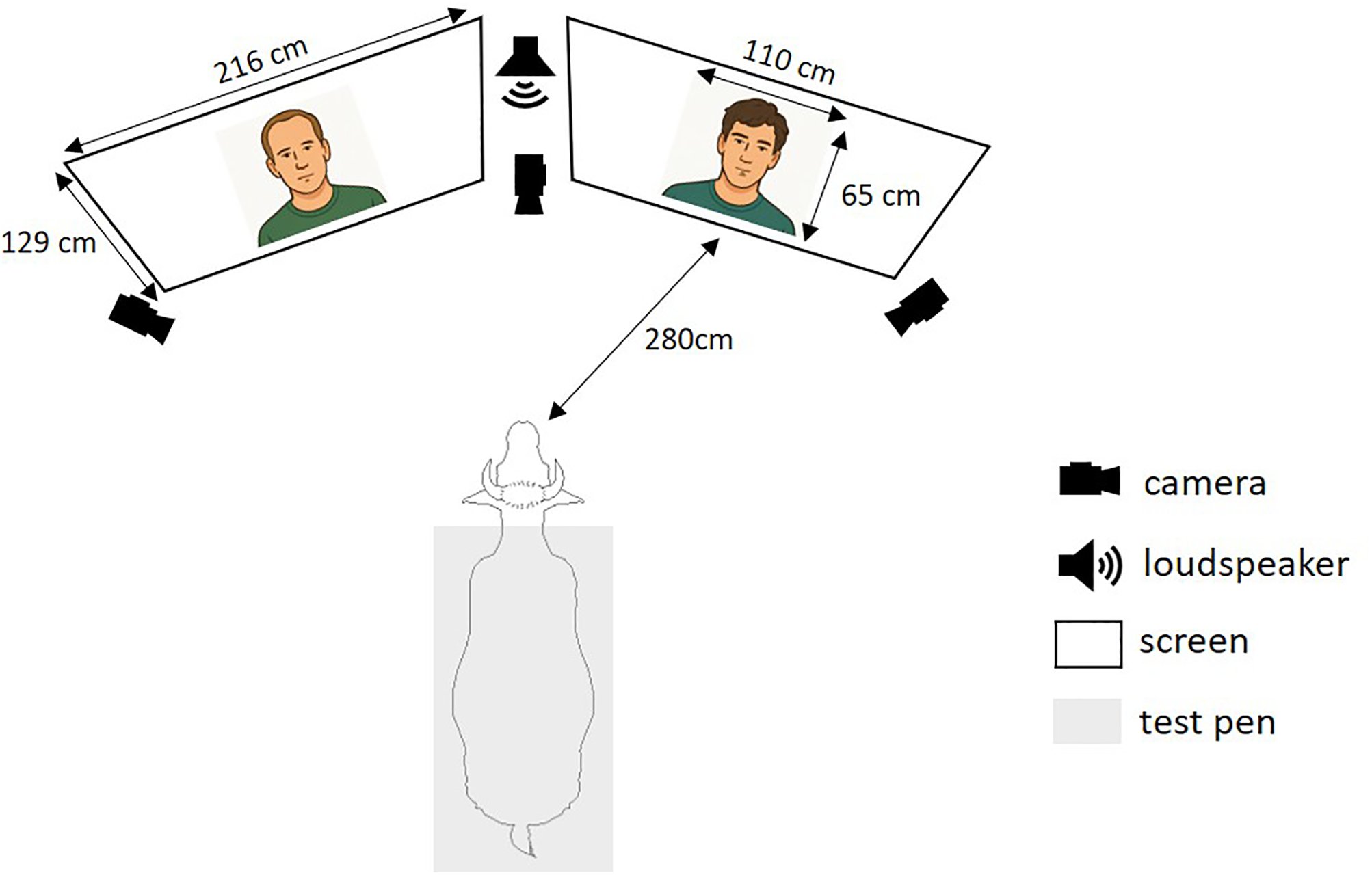
The cows were not afraid of videos without sound and looked longer at unfamiliar faces. According to the team, the fixed gaze shows that the animals can distinguish an unfamiliar face from a known face.
When the researchers paired the videos with sound, the cows spent more time watching the video when the voice matched the face. This shows that cows can associate a face with the voice they know. Big cats in captivity can also do this with their owners.
Based on their heart rates, neither familiar nor unfamiliar voices seemed to affect the cows’ emotional response.
The team notes that a video and sound recording does not constitute a complete interaction with a human, but these results indicate that cows can tell the difference between familiar and unfamiliar people, and that they can distinguish humans by their faces and voices. To better understand animals and their well-being, future studies could examine how cows interact with specific people.

The best new PopSci 2025 releases