Giant armadillo, mastodon, and sloth fossils found in flooded Texas cave


The groundwater flowing through the underground cave systems of Central Texas is vital to both agriculture and daily life. They are also ancient underground archives of the past. In Comal County, just north of San Antonio, Bender Cave offers an unprecedented glimpse of the megafauna that once roamed the area around 100,000 years ago.
Some of the animal bones hidden there are also completely unexpected. As described by paleontologist John Moretti and explorer John Young of the University of Texas at Austin in an article recently published in the journal Quaternary ResearchCentral Texas was home to giant tortoises, ground sloths, mastodons, and pampatheres, an ancestor of today’s armadillo that grew as large as a lion.
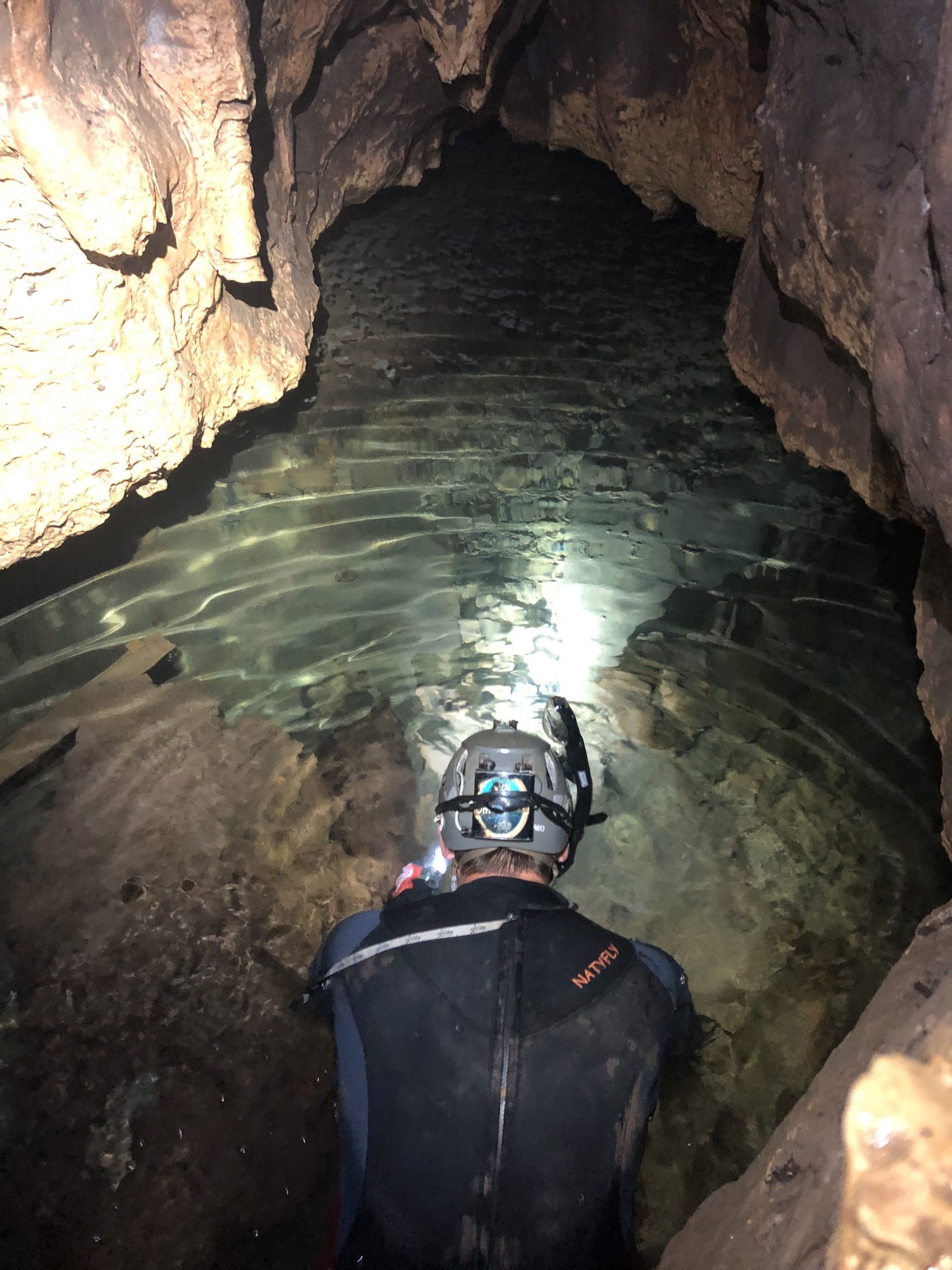
Unlike other paleontological digs, the team did not need shovels or picks. Instead, they replaced their search gear with snorkels and goggles. Formations like Bender’s Cave are regularly filled with streams that fluctuate in depth based on recent rainfall, flooding, and sinkhole deposits. Erosion also frequently carries animal bones to the surface, where they may remain intact for thousands of years. However, few caves have the same cache of fossils as Bender Cave.
“There were fossils everywhere, just about everywhere, in a way I’ve never seen in any other cave,” Moretti recalls. “There were just bones all over the floor.”
Moretti and Young visited the site six times between March 2023 and November 2024, ultimately inspecting 21 separate areas. The fossils are now polished and rust-colored from mineralization after thousands of years underwater, but collecting samples was as easy as catching them.
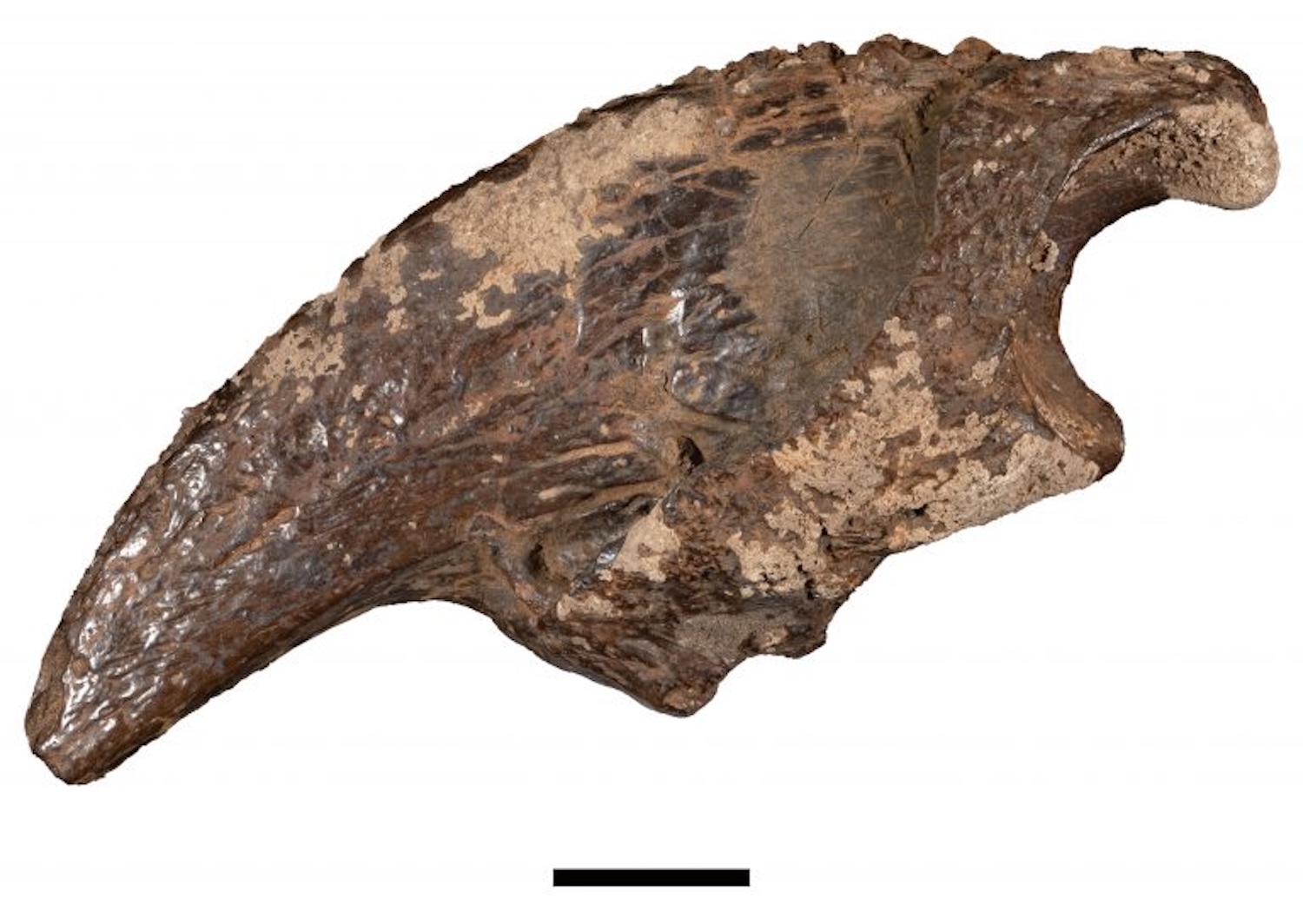
The finds included a giant sloth claw and ancient camel bones, but the pampathere was particularly striking. Originating in present-day South America, the massive armadillo ancestors eventually migrated to North America about 2.7 million years ago, during the Pleistocene Epoch and after the formation of the Isthmus of Panama. An adult pampathere probably weighed up to 440 pounds, but it didn’t pose much of a threat to anyone. Unlike today’s omnivorous armadillos, the pampathere’s jaws and teeth were adapted to coarse vegetation until they became extinct about 12,000 years ago.
The lack of comparative evidence means the age of the fossils is not yet fully confirmed, but the study authors believe they likely date back 100,000 years to the Last Interglacial Period, a relatively warm era during the most recent ice age. If true, these bones would be the first examples of interglacial animals discovered in central Texas.
“This site shows us something different, and it’s really important because of all the work that’s been done in this area,” Moretti said. “If it is interglacial in age, it is a new window into the past and into a landscape, environment and animal community that we have never observed in this part of Texas before.”

The best new PopSci 2025 releases


