In Kenya, millions are threatened by climate-driven kala-azar


The 8-year-old niece of Longorot Epuu, her namesake, was ill.
Epuu quickly recognized the signs of kala-azar, “black fever”, while visiting his brother’s family in a nearby village in Kenya’s vast arid Turkana region in September last year. Young Longorot had a high fever and a swollen stomach, and she was very weak. Also known as visceral leishmaniasis, kala azar is caused by bites from female sandflies and primarily affects children under 15 years of age. But Epuu didn’t know that when left untreated, the disease attacks vital organs and is fatal in 95% of cases.
Secure · Tax deductible · Takes 45 seconds
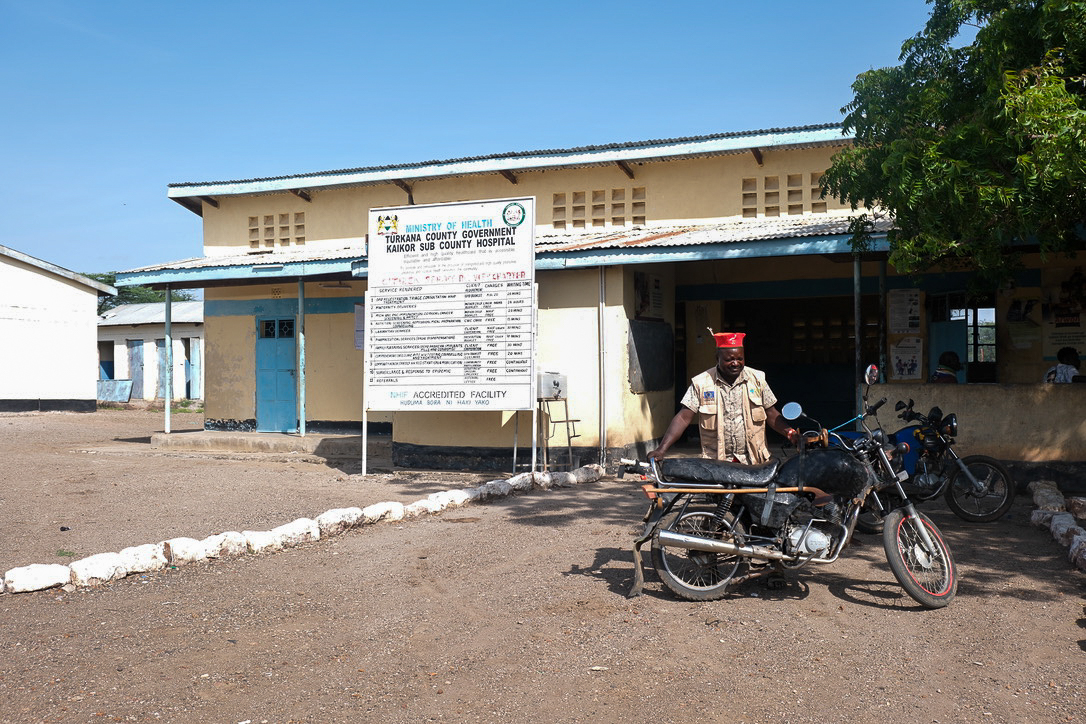
Still, he could tell that something was seriously wrong. He picked up his niece and drove her on his motorbike to the local hospital, 10 km away. On the sixth day of her stay, she died.
“We were shocked and completely shaken,” Epuu said. “It was simply too late.”
Georgia Gee
Currently, East Africa accounts for more than 70 percent of the world’s 50,000 to 90,000 annual kala-azar cases – and in Kenya, the disease is becoming endemic in more and more areas, partly due to climate change. Rising temperatures and erratic rainfall, including dramatic alternations between severe droughts and flash floods, have accelerated the reproduction of infected sandflies and the spread of kala azar in the region.
Five million people are at risk of kala azar in Kenya, which has set a goal of eliminating the disease by 2030. Academics, doctors and field workers have said that goal is too ambitious, in part because U.S. President Donald Trump has unilaterally cut most international aid to countries like Kenya and closed the U.S. Agency for International Development, or USAID, which funded many community health workers who manage the cases of kala-azar and raise awareness on the ground. Between extreme weather and funding cuts, Turkana is losing many of the resources it needs to fight kala azar as it becomes more and more common.
“The reductions are truly tragic,” said James Ekamais, the kala-azar and other so-called neglected tropical diseases coordinator for Turkana County. “Early detection and care of patients is now compromised. We are going to lose them. We expect the mortality rate to increase.”

Georgia Gee
Kala-azar was first documented in Kenya in the early 19th century, when an outbreak occurred around Lake Turkana, the largest desert lake in the world. Since then, the years-long gaps between outbreaks in Turkana and across Kenya have shortened.
Since late last year, there has been a significant increase in cases in northeastern Kenya. Turkana, a region of about 1 million people, is a national hot spot and has recorded about 200 to 300 cases a year for the past five years. In September, the county government officially declared a state of emergency in Kala-Azar, as 2025 records the highest annual caseload on record, with more than 520 cases reported so far. Turkana became one of the first counties in Kenya to officially elevate the disease to crisis level, fearing a large-scale outbreak. Meanwhile, the Kenyan Ministry of Health and community health workers in Turkana say the number of cases and deaths are seriously underestimated.
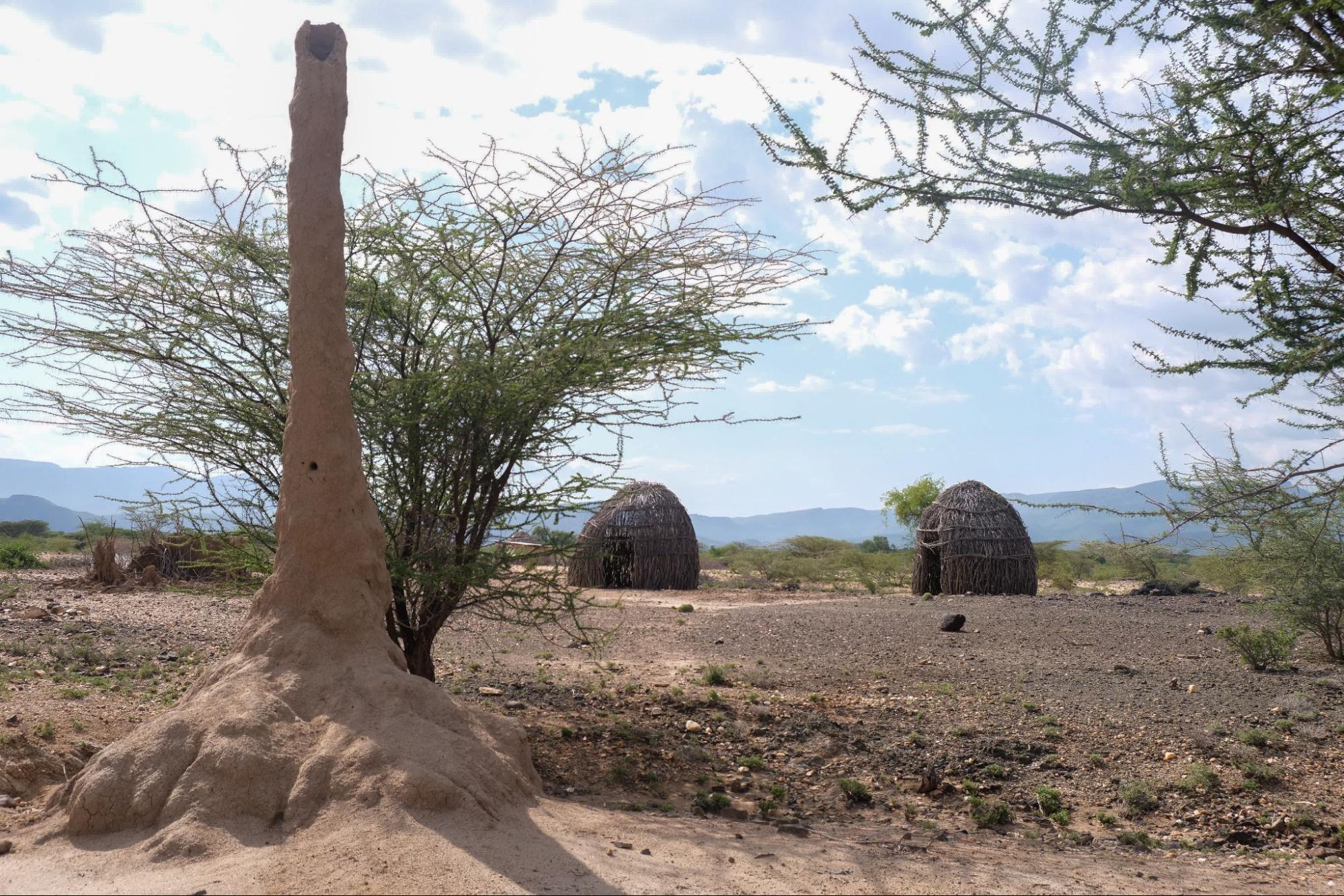
For sandflies, the dry, degraded lands surrounding Lake Turkana provide an ideal environment. They breed in warm temperatures and dark spaces, particularly in the cracked soils and anthills that surround manyattas, communities of traditional houses built with mud and grass. Traditional nomadic livelihoods in the region only exacerbate this challenge, as they increase the vulnerability of pastoralists who constantly move their livestock in search of water and food. Sandflies can also easily enter the temporary homes and huts on which this population depends.
Georgia Gee
The temperature in the area can reach 110 degrees Fahrenheit. From 1967 to 2012, minimum and maximum air temperatures in Turkana increased by 2 to 3 degrees Celsius (3.6 to 5.4 degrees F), significantly more than the global average. According to a Turkana County climate report released in 2023, Kenya’s average surface temperature is expected to increase by 1 to 1.5 degrees C (1.8 to 2.7 degrees F) by 2030. Rainfall is also becoming more erratic, leading to extreme droughts that further degrade land.
“Just a small change in climate can make a big difference,” said Kris Murray, professor of environmental change and health at the London School of Hygiene and Tropical Medicine. “This can accelerate the life cycle of the vector” – in this case, the sandfly – “leading to an increase in the abundance and rate of bites in that area.”
Georgia Gee
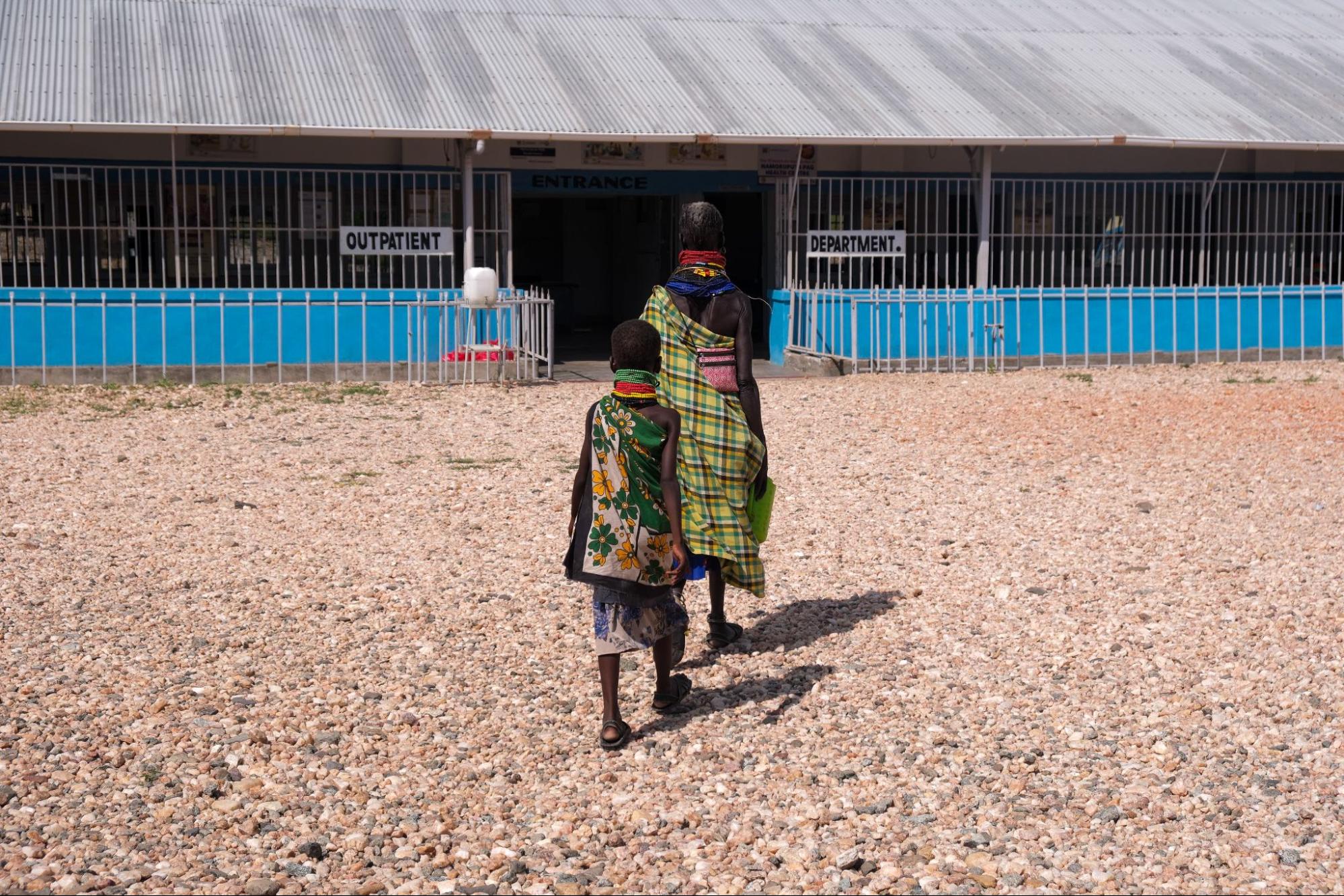
Insect repellents and mosquito nets help prevent disease, but they are not easily available in poor areas. Kala-azar is often treated with 17 to 30 days of daily injections including antimony medications, which are known to be toxic and have strong side effects. Although an oral drug is currently undergoing clinical trials in Ethiopia, it is unclear when it will be available.
Many kala-azar patients have comorbidities. In the isolated town of Kaikor, where Epuu’s niece died, most also suffer from hepatitis B, a serious liver infection. Another common co-infection is HIV/AIDS, which weakens the immune system and makes people more vulnerable to developing kala azar after a sand fly bite.
Isolated areas like Turkana have long relied on community health workers to raise awareness of both kala azar and HIV/AIDS, as well as to manage and report case numbers. Many of these workers were supported by USAID and have seen their funding disappear since Trump cut the agency’s budget. USAID’s global funding for neglected tropical diseases – a category that includes kala azar as well as more common infections like dengue – stood at $115 million in 2024. Today, all funding for neglected tropical diseases for 2025 has been completely frozen and funding for HIV/AIDS has been cut by 70 percent.
A spokesperson for the US State Department told Grist that “the programs were determined not to meet the standards established by the Secretary of State.” [Marco] Rubio for American foreign aid, which should make the United States stronger, more secure and more prosperous.” They did not answer questions about which kala-azar programs had been cut or how much those programs cost.
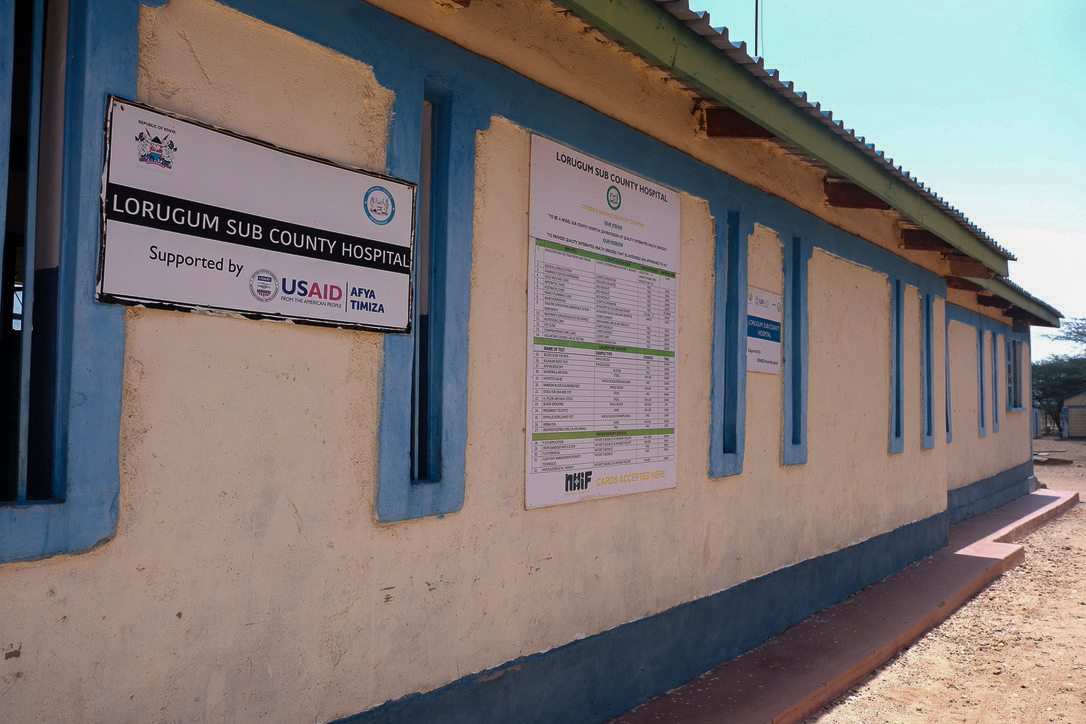
USAID flyers are still displayed in Turkana’s dilapidated hospitals, from medicine refrigerators to building facades. Meanwhile, Turkana, alongside nearly a dozen Kenyan counties affected by kala-azar outbreaks, is suffering from a severe shortage of medicines and rapid diagnostic test kits.
Georgia Gee
Ekamais, Turkana County’s neglected tropical diseases coordinator, said in mid-May that he had only received five test kits from the national government so far this month. Without kits, doctors attempt to make a diagnosis by physically assessing symptoms, which can be unreliable given their similarities to malaria. The local hospital had already reported 68 cases in May and was receiving increasing numbers of sick refugees arriving from the borders of South Sudan, Ethiopia and Uganda.
Community health workers in Turkana also said they were facing a shortage of tests and medicines amid rising cases.
They also say funding from the Kenyan national government has declined, despite its goal of eliminating the disease. The Kenya Medical Research Institute, a government corporation that monitors kala azar, did not respond to a request for comment.
In Arizona, the fight against a deadly fungus is threatened by Trump’s health policy
“Funding is currently negligible,” said James Ekiru Kidalio, Turkana County director of medical services. “Kala-azar is deadly and must be treated with the seriousness it deserves. »
Unfortunately, big pharmaceutical companies have shown little interest in the disease. “Kala-azar is a major health problem, but the problem is that it usually affects poor people in rural areas,” said James McKerrow, director of the Center for Parasitic Disease Discovery and Innovation at the University of California, San Diego. “As a result, drug development or simply studying disease is not something that international pharmaceutical companies want to do, because they will not make money from it.”
So far, there are some minor successes. In mid-May, Eketan Amurei – who did not know his age but appeared to be in his 20s – completed his 30-day treatment program in Loima, a sub-county of Turkana.
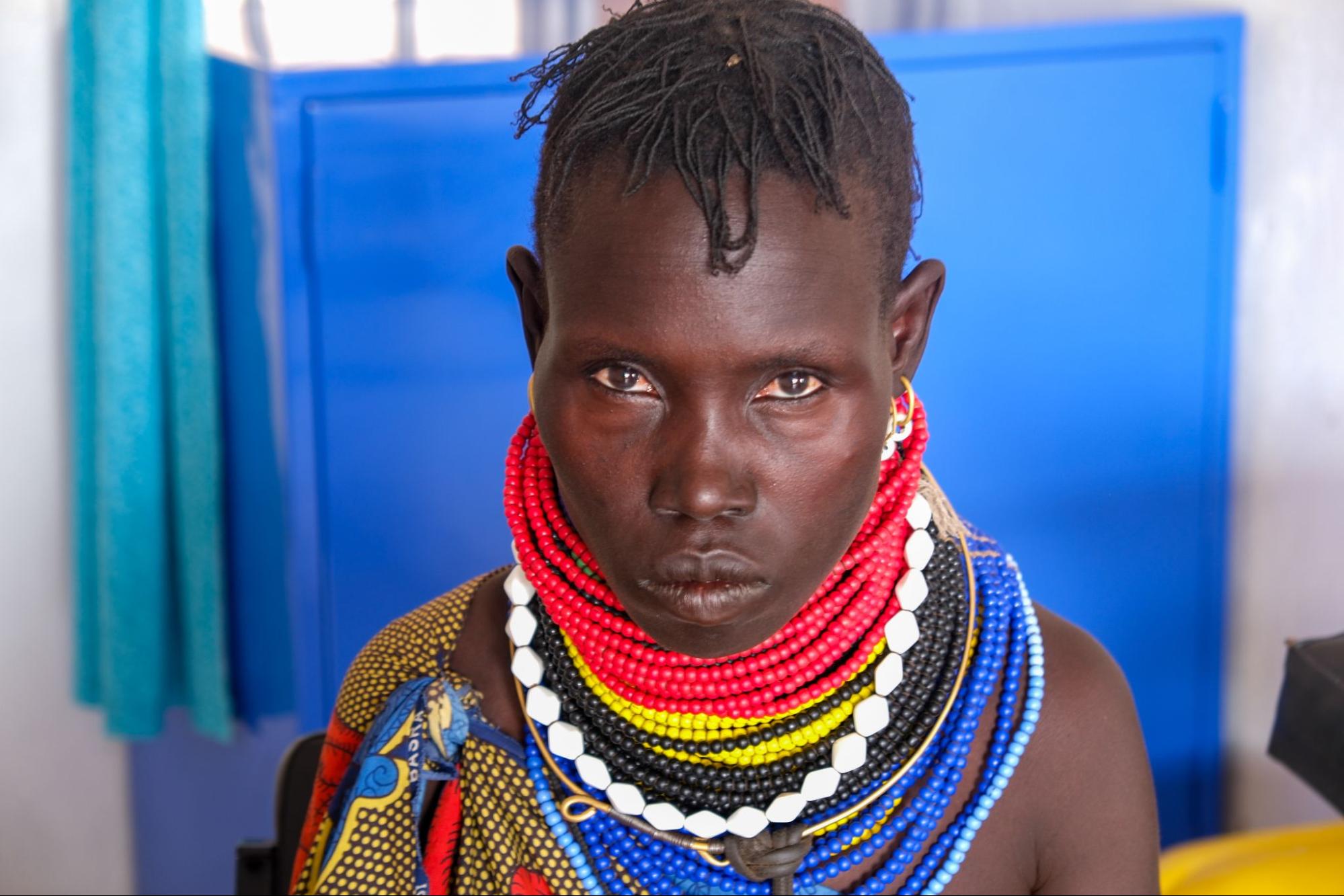
The road to recovery has been extremely difficult. Amurei experienced severe abdominal pain for a month and tried local and herbal treatments to cure it, including cutting her spleen with a razor blade to release “bad blood” – a common practice among Turkana residents with symptoms of kala-azar.
When that didn’t relieve his illness or swelling, Amurei began walking to the local hospital. The walk was more than 15 miles and took him five days due to his weakness. She slept on the ground outside along the way.
Now, finally fully recovered, Amurei said she will walk home and start selling firewood again to support her five children. “I wonder how my family stayed afloat,” she said. “And I’m scared, am I going to get it again?”


