Jef Raskin’s cul-de-sac and the quest for the humane computer


To crystallize these concepts, rather than create another new computer, Raskin started working on a software package with a team that included his son, AZA, initially called the human environment. The HumaneEditorProject was unveiled for the first time in the world the day before Christmas 2002, although initially only as a source CVS, because it was considered very unfinished. The first original constructions of the human editor were open-source and intended to operate on Mac OS 9 classic, although Qemu, Sheeppshaver and Classic under Tiger and earlier will diffuse it.
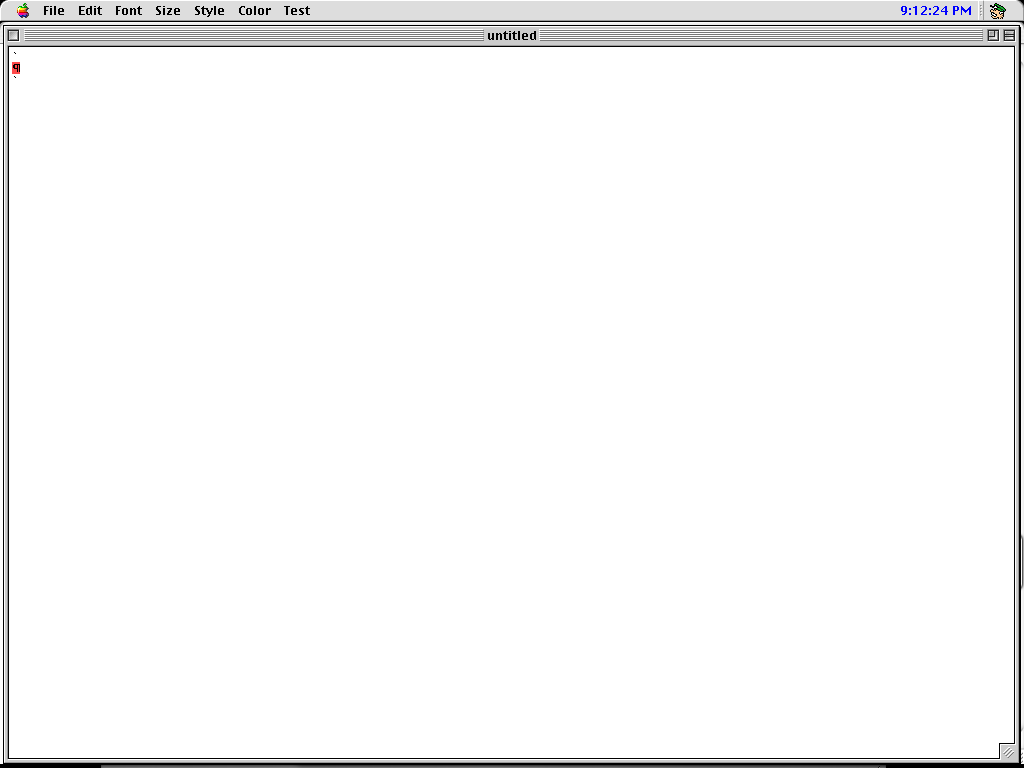
Default document.
Credit: Cameron Kaiser
As before, the human editor uses a large central workspace subdivided into individual documents, here separated by backtick characters. Our two -color familiar cursor is also maintained. However, although the fonts, fat, italics and underlining were taken care of, colors (and, moreover, police sizes) were always selected by the traditional Mac traction menus.
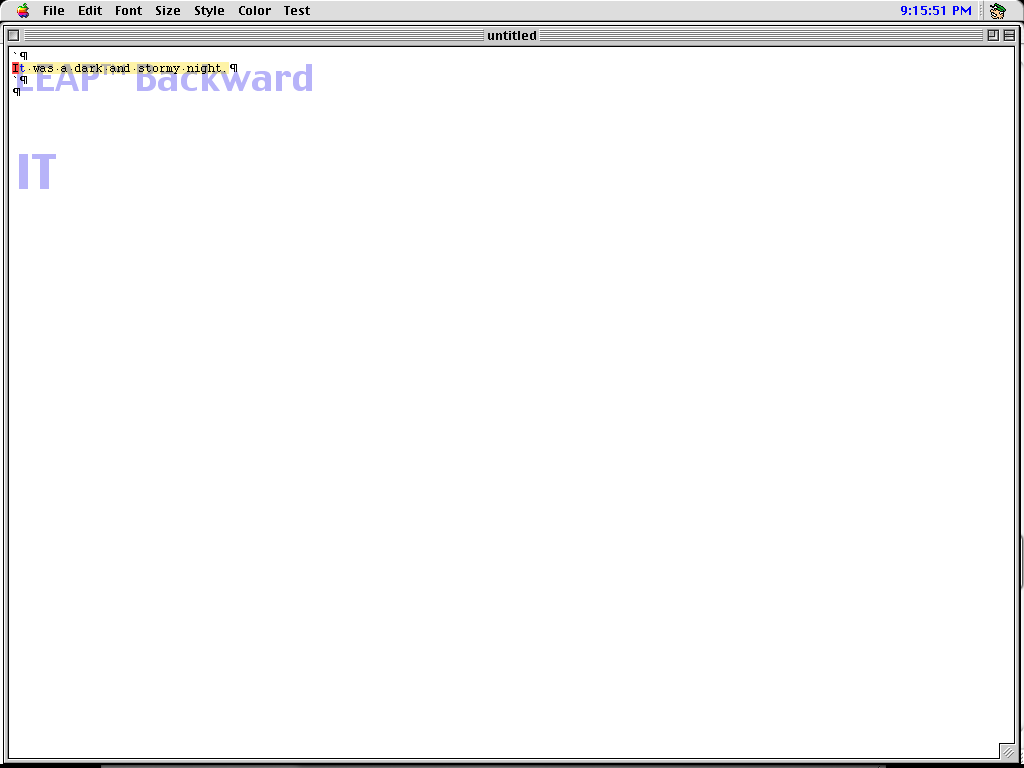
Jumping with the shift and angle support keys.
Credit: Cameron Kaiser
The jump, here with a brand, is again at the front and center of the. However, instead of dedicated keys, the jump is only part of the internal command line of the internal line, called the human quasimode, where other orders can be sent. Note that the prompt is displayed as a translucent text on the work area.
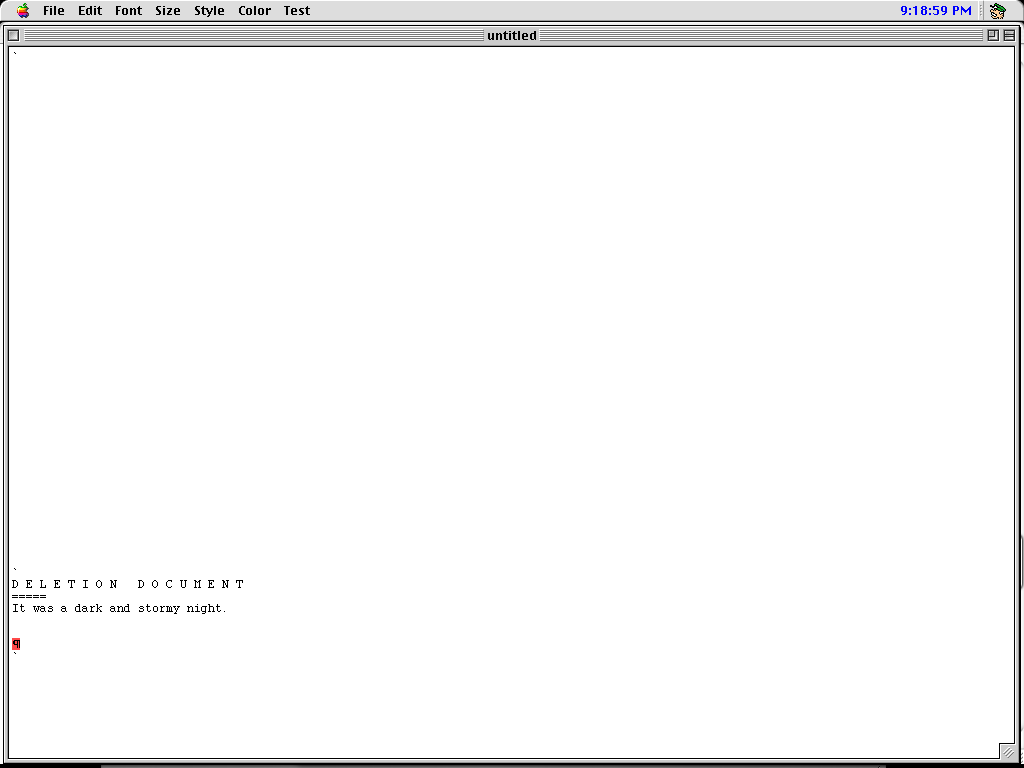
The deletion document.
Credit: Cameron Kaiser
When the text was deleted, either behind it, or by pressing delete with a selected region, it went to a “deletion document” created and kept automatically and has retained automatically. Indeed, this transformed the workspace into a Yank stamp with all your documents, and cancel any destructive publishing operation has thus become another cut and dough. (Deleting the deletion document has just deleted.)
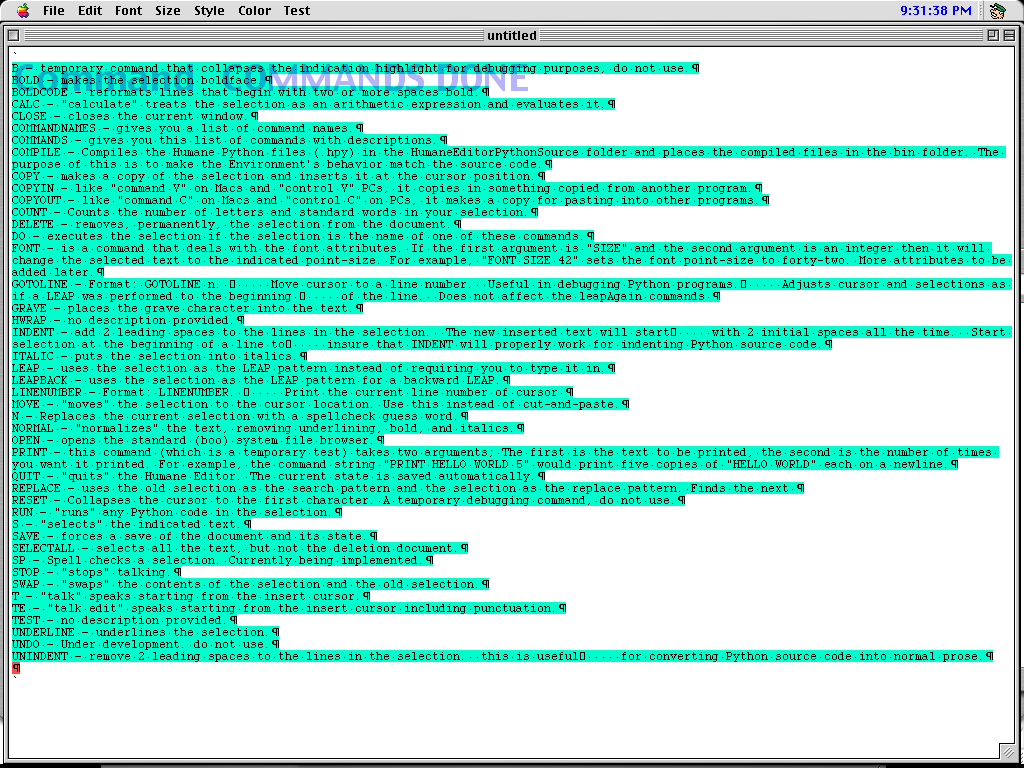
Order lists.
Credit: Cameron Kaiser
A complete list of orders accepted by the quasimode was available by typing orders, which in turn issued them in the document. These are based on precompiled Python files, which the user could modify or add, and expressions and arbitrary python code could also be inserted and executed directly from the document workspace.


