Mamdani Launches His First Salvos in New York’s Fiscal Battle


Policy
/
The Mamdani rhythm
/
February 19, 2026
The mayor, governor and members of the city’s largest tax base are all clashing over possible tax increases and service cuts.
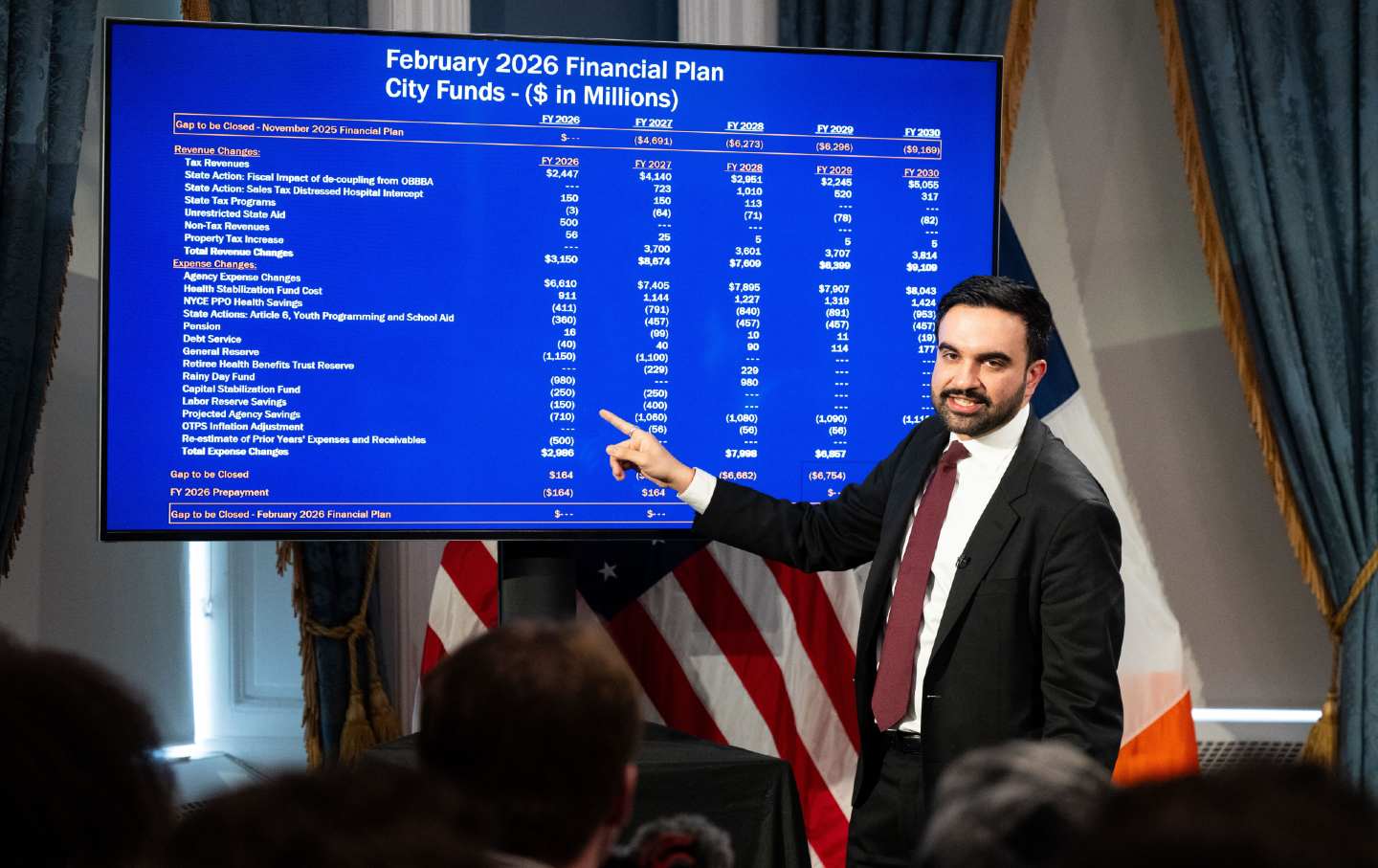
Mayor Zohran Mamdani presents his preliminary city budget during a meeting at City Hall.
(Michael Brochstein/Sipa USA via AP)
Judging by Mayor Zohran Mamdani’s performance Wednesday in City Hall’s Blue Room, some aspects of New York’s fiscal follies have changed little in recent decades.
“Over the past year, New York has faced a historic budget crisis…” Although this sounds similar to Mamdani, who used the same phrase to describe the city’s current budget challenges, it was actually former Governor Basil Paterson who averted catastrophe in 2009. When David Dinkins took office in 1990, he too inherited a budget crisis, as did Rudy Guiliani, who had to close a projected deficit of 2.3 billion dollars, out of a total of 31.6 dollars. billion – in its first year.
From a historical perspective, especially in the context of a total budget of $127 billion, the city’s current projected deficit of $5.4 billion — already down from the $12 billion announced a few weeks ago — looks less like a fiscal sinkhole and more like a pothole. Yet the demands of custom, coupled with the young mayor’s evident desire to project the financial sobriety signaled by his dark suits and dark ties, meant that the press – and its readers, viewers and listeners – were once again treated to the latest production in a kind of political theater that never seems to go out of style.
The entire performance is perhaps best summed up by the phrase “or we’ll kill this dog”, an allusion to the classic 1973 revival of the National Lampoonwho threatened to take desperate measures “if you don’t buy this magazine.”
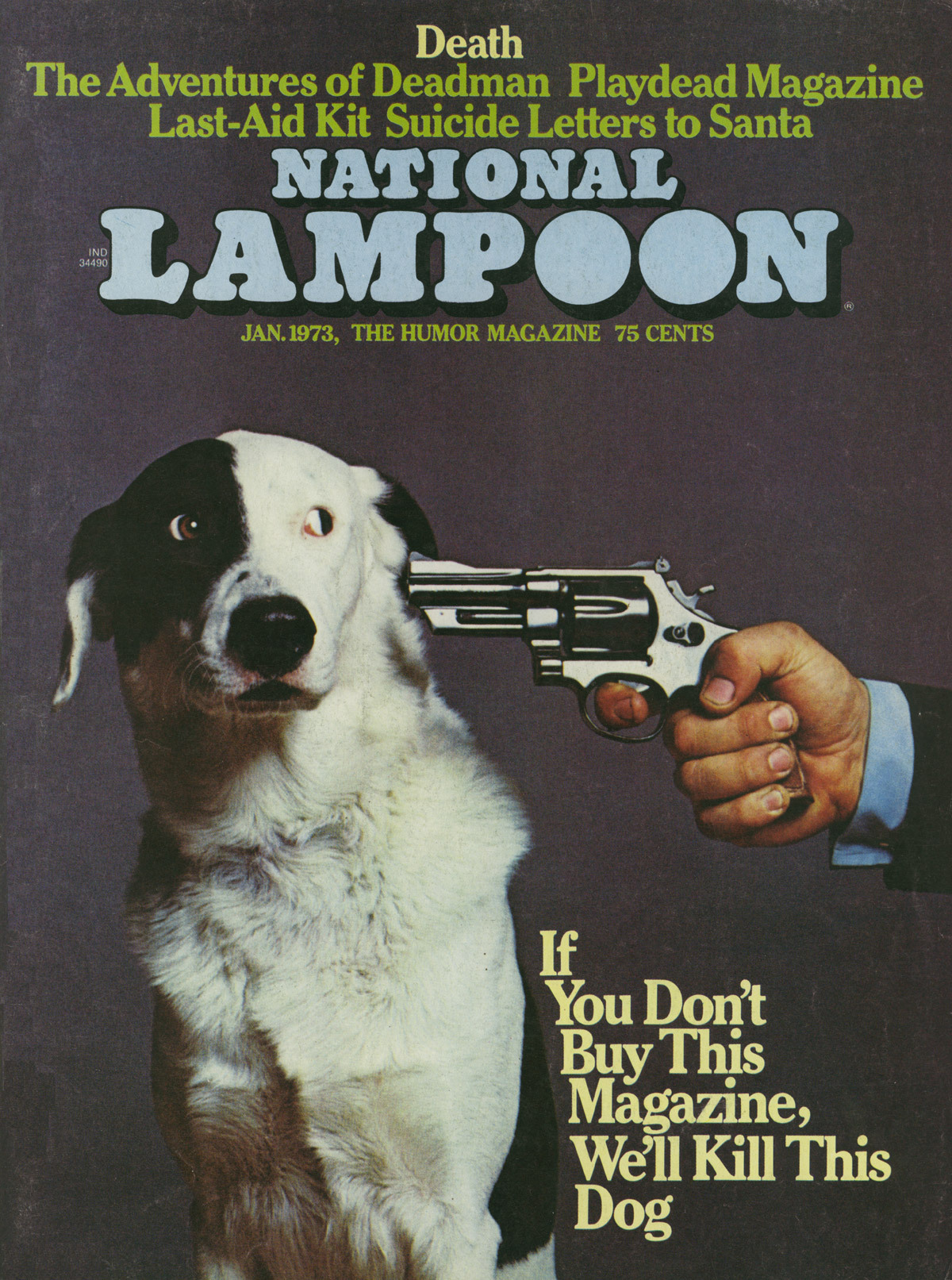
In Mamdani’s case, the threat was to raise the city’s property taxes — which, as the mayor pointed out, are the only significant municipal revenue source not subject to the dictates of Gov. Kathy Hochul and the state Legislature — by 9.5 percent above the current level if Albany continues to oppose the mayor’s preferred policy of a 2 percent increase in city income taxes for New Yorkers earning more than a million dollars a year and a tax increase on the city’s most profitable corporations. The New York Times, The city, Gothamist, Bloomberg and the New York Post all helpfully put the word “threat” in their titles, with the Job front page depicting a masked and pistol-wielding Mamdani ordering the governor to “Stick Em Up!” (Since it was the Jobboth of Mamdani’s weapons featured the red flag of the former Soviet Union protruding from their barrels. )
Current number

There are at least two problems with this eternal pantomime. The first — and given Hochul’s oft-stated reluctance to raise taxes in the midst of his re-election campaign, is perhaps the most immediately salient — is that sometimes the other side bluffs you. Eric Adams, in one of his many borrowings from Michael Bloomberg’s playbook, set a target on the city’s public library system during his 2024 budget negotiations with the City Council, to avoid disaster at the last minute. But Dinkins was forced to freeze hiring and promotions and other austerity measures that accelerated the erosion of city services that began in the 1975 budget crisis. (This crisis was truly historic, marking the first significant setback of La Guardia’s vision of abundant public life for New York’s working class and the emergence, at street level, of what would later be known as neoliberalism: opportunity and power for the rich, disinvestment and displacement – or like Roger Starr, The New York Times the columnist who was one of the principal architects of this policy, called it “planned shrinkage” – for the poor.) If Mamdani were forced to carry out his threat, the burden would hardly be fair, because, as The cityKatie Honan of , pointed out: “Homeowners in predominantly black neighborhoods also pay property tax rates that can be double those paid by homeowners in predominantly white neighborhoods. »
But even as he said these words, it seemed as if the mayor gave them little credence. If instituted under the city’s current property tax system, Mamdani’s proposed/threatened increase would only raise an additional $3.7 billion. (That’s provided an ongoing legal challenge to New York’s property tax regime doesn’t result in a verdict declaring it illegal.) The rest of the funds to close the gap would come from a temporary raid on the city’s “Rainy Day” reserves and borrowing from city employee pension funds. The city’s working population is around 300,000 people; Add in the 3 million New York City co-op, condo and housing owners who would see their tax bills rise, as well as the tenants of the city’s 100,000 commercial buildings who would likely see their rents rise to cover the tax increase, and that’s a lot of hostages to the fortune Mamdani is offering Hochul. The hope is likely that the governor will find a tax turnaround less politically painful.
The second problem with all this drama is that it continually defers the hard choices – and political fights – over what kind of city New Yorkers want to live in. To take just one example, the proposed budget includes $543 million next year to help the city comply with the state’s requirement to limit class sizes to 20 for elementary school students and 25 in high schools. It looks like real money, though, like Chalk beat Just hiring the 6,000 new teachers needed to meet the state’s mandate will cost more than $600 million, and that figure doesn’t include funding for additional classrooms or school buildings. (It’s also worth remembering that the Adams administration was only able to pretend to comply with this mandate by falsifying the numbers, declaring thousands of urban classrooms exempt from the law.)
The other side of this fight is made up of those who believe, alongside the Citizens Budget Commission, that any tax increases “will make the city less attractive to New Yorkers who fund our schools, police and sanitation – as well as to the businesses that create jobs and support our economy.” They already have their analyzes and arguments in place. Instead of reducing class sizes, the CBC helpfully suggests “obtaining relief from the state’s class size mandate.” By allowing himself and his administration to be drawn into this performance of fiscal rectitude, Mamdani is losing an opportunity to advocate for a more expansive, fairer, more affordable – and infinitely more attractive – vision of urban life that he has led so successfully.
Given the city’s subordinate relationship with Albany, the mayor needs the governor’s support to bring this vision to fruition. And if it wasn’t an election year, the chances of reaching some sort of budget compromise would be greater. Given the actual numbers — and the fact that a final budget isn’t expected until the summer — the city could still manage to close the gap through a combination of higher-than-expected income tax revenue and a slight increase in the corporate tax rate.
Ultimately, though, the mayor’s promise to govern “expansively and boldly” simply isn’t compatible with a budget calculated not to panic the bond market — or the governor’s donors in real estate, big tech or on Wall Street. In the weeks since his inauguration, Mamdani has proven that he is still a world-class communicator and has (more or less) managed to competently clean the city streets after heavy snowfalls. What we don’t know yet, but we may find out soon, is whether he can fight.
More than The nation
Despite all the good news, Democrats find themselves at a politically dangerous moment.
Mike Lux
As Trump continues to dismantle federal agencies, this state shows what happens when a one-party-controlled government makes sweeping public health changes with little resistance.
Student Nation
/
Rahhul Elangovan
Widespread unrest as repression intensifies, leaving thousands dead.
OppArt
/
JJ Takjoo
America should build things back, and we the people should own what we build.
Corbin Trent