New crustacean named after its unique butt


Only 80 to 90 percent of Earth’s vast oceans have been explored, leaving countless species just waiting to be discovered. This is where the Sustainable Seabed Knowledge Initiative: One Thousand Reasons campaign comes in. The project is designed to describe 1,000 previously unknown deep-sea species by 2030 to assess ocean biodiversity to protect species as prospects for deep-sea mining expand.
Twenty-four new species of deep-sea crustaceans are now on the project’s growing list. The new species are detailed in a special edition of the journal Zoo Keys and were discovered in the remote Clarion-Clipperton Zone (CCZ). This vast 1.7 million square kilometer area of deep ocean between the west coast of Mexico and Hawaii is home to many unknown species as well as minerals needed for many high-tech uses.
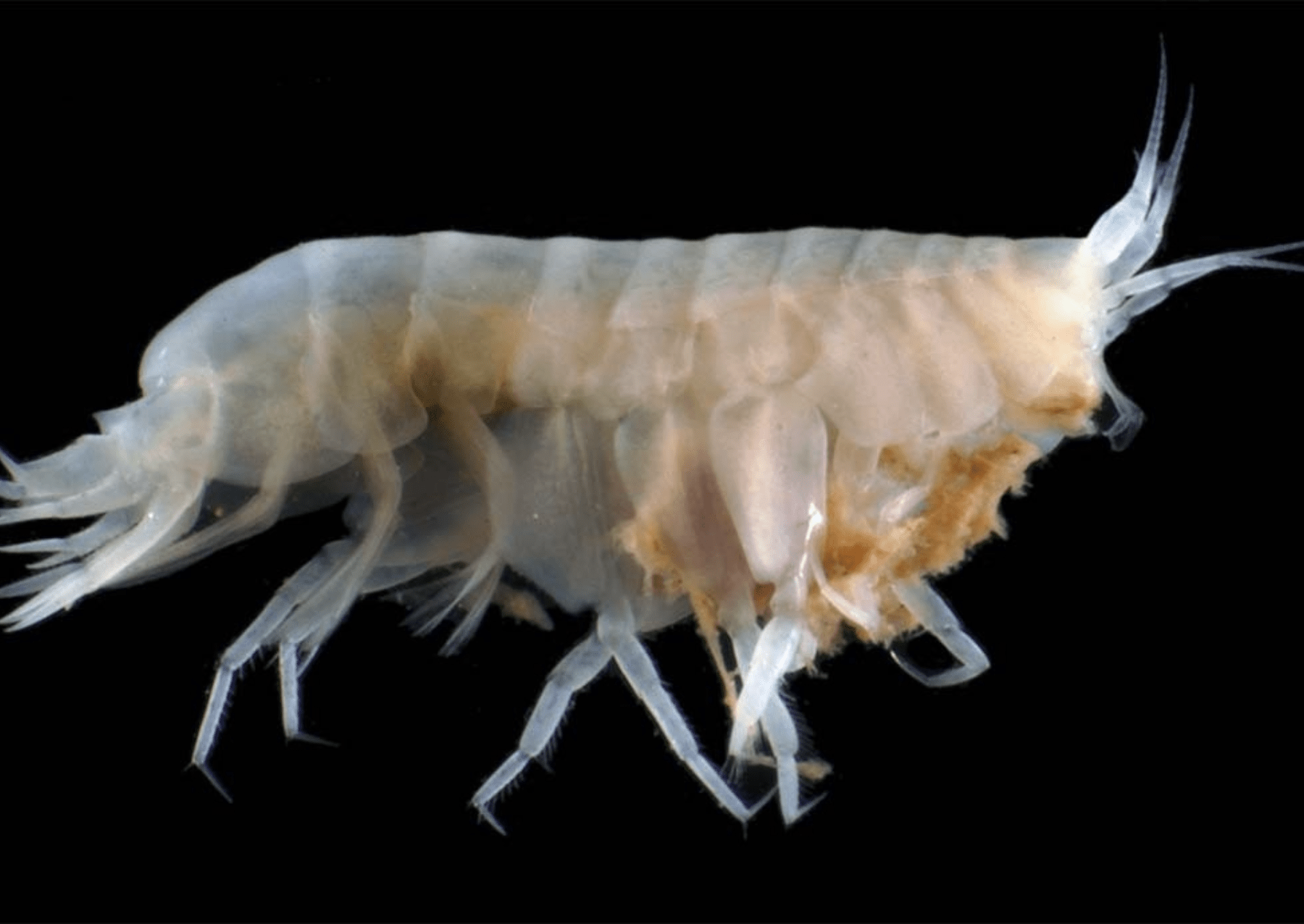
Meet the amphipods
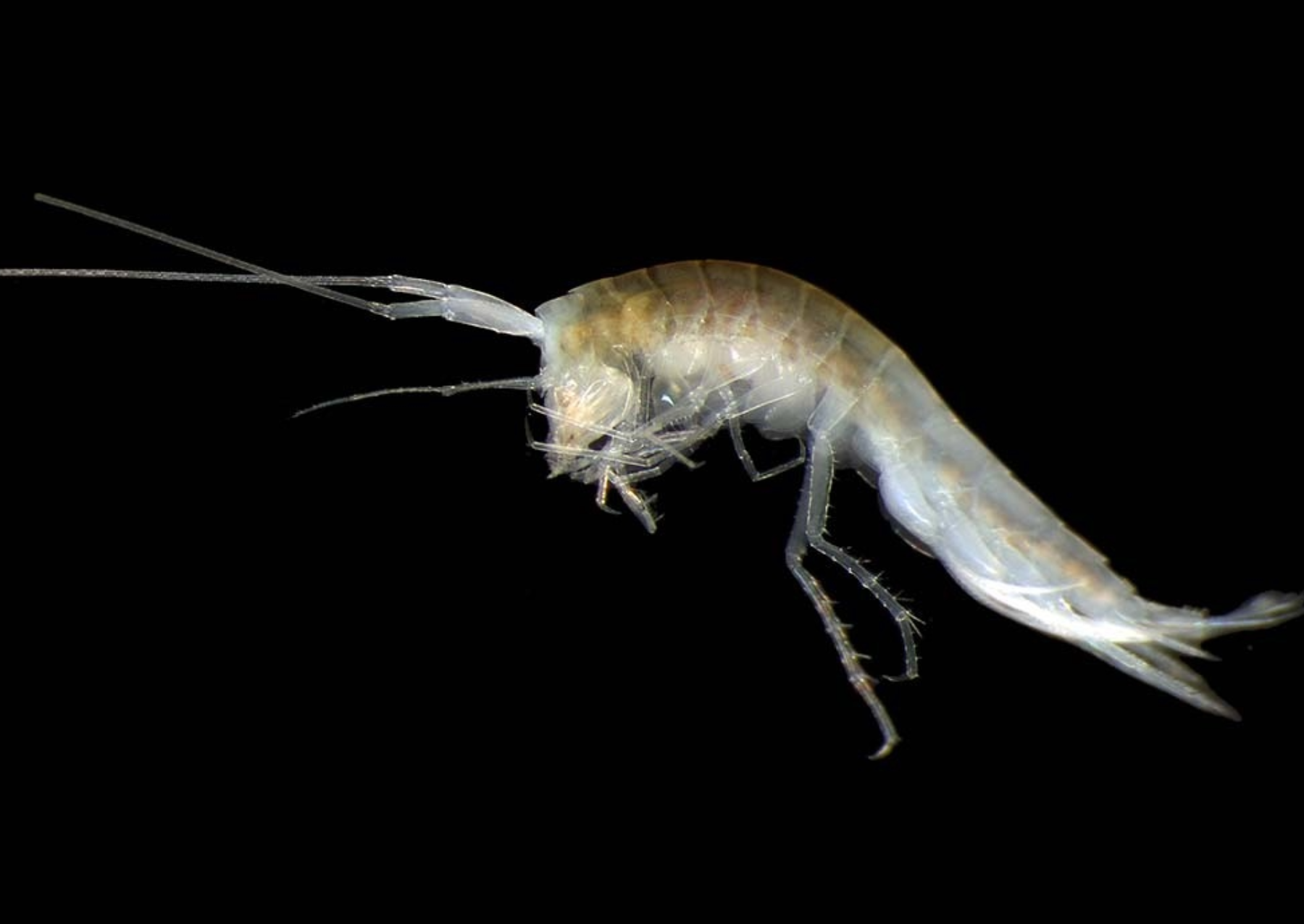
These new species are amphipods, a diverse group of crustaceans made up of more than 10,000 known species. Some amphipods measure only a few millimeters, while larger species Alicella gigantea is the size of a loaf of bread. They play a key role as a food source for larger animals and help break down the bodies of larger creatures.
Amphipods are adapted to live in a wide range of habitats. Some live in damp caves or even terrestrial forests, while most live in fresh and salt water environments. Parasitic whale lice travel on marine mammals, eat algae and keep whales clean. Predatory amphipods hunt small worms and other invertebrates, while other species are scavengers that help recycle nutrients in marine ecosystems.
The new species were discovered while researchers were taking “canned samples” from the seafloor. When sampling a box, scientists scoop a huge cube of mud from the seafloor and bring it to a ship to study its contents and get an idea of what’s inside. After washing and separating the material from these particular cores, they found a variety of pale amphipods.
“These amphipods appear to have a range of different feeding styles,” Dr. Eva Stewart, study co-author and deep-sea scientist at the Natural History Museum, London, said in a statement. “Some appear to eat the mud and obtain nutrients from it, while others have large claws, suggesting they may be predators of other things that live in the sediment.”
Naming new amphipods after video games, family and a little ass
Since amphipods are a very diverse group of animals, it makes sense that their names would follow suit. Scientists met for a week to determine the name for this exciting new group of creatures.
Mirabestia maisie And Astyra mclaughlinae are named after family members and colleagues, while Elimedon breviclunis owes its name to the animal’s short buttocks.
Pop culture has inspired other names. Lepidepecreum myla » Myla reminded the team from the video game “Hollow Knight”. According to the team, both the character and specifically Lepidepecreum myla “are just small arthropods that try to survive in complete darkness.”
In addition to new species, the team also discovered a new family and a new superfamily. A superfamily ranks below an order and above a family. For example, the superfamily Hominoidea (or apes) includes both the family Hominidae (humans, chimpanzees, gorillas, and orangutans) and the family Hylobatidae (gibbons).
“Finding a new superfamily is very rare, so this is a discovery that we will all remember,” added study co-author Dr. Tammy Hortonopens. “But each species we describe is equally important, as it represents a vital step toward improving our understanding of this fascinating ecosystem.”
The Clarion-Clipperton area attracts the attention of big tech
Further study of these creatures will give us a better idea of how they live in one of the most pristine places on Earth. Despite its remoteness, the CCZ attracts a lot of interest due to the metal nodules found on the ocean floor. These nodules often contain minerals used for solar panels and wind turbines. Although deep sea mining can help us meet our environmental goals, this region is poorly understood and mining could risk damaging these important ecosystems.
“It is estimated that there are around 5,600 species in the CCZ, but around 90 percent of them are undescribed,” Stewart explained. “As a result, thousands of potential species have been discovered over the past decade and are just waiting to be named. »
These types of discoveries will be key to understanding the possible impacts of deep-sea mining in the future.

The best new PopSci 2025 releases