NEWYou can now listen to Fox News articles!
Aaron Rodgers wasn’t about to make any major revelations about his playing future on Wednesday.
Rodgers, who is set to become a free agent next week, appeared on “The Pat McAfee Show” and was gingerly asked about his thoughts about potentially playing in Year 22.
CLICK HERE FOR MORE SPORTS COVERAGE ON FOXNEWS.COM

Pittsburgh Steelers quarterback Aaron Rodgers (8) audibles during the second half of an AFC Wild Card Round game against the Houston Texans at Acrisure Stadium on Jan. 12, 2026. (Charles LeClaire/Imagn Images)
“Anyone who is expecting me to make any big decision, just turn it off now,” the four-time NFL MVP said. “Just leave.”
McAfee asked whether the possibility of playing for Mike McCarthy again is something he had been thinking about. McCarthy was named the head coach of the Pittsburgh Steelers after Mike Tomlin stepped down from the post in January.
“We’re sitting here. It’s March 4th. Free agency starts in a week,” he said. “I’ve been spending a lot of time with my wife. We went on a ski trip. Just been laying low. There’s a lot of other things going on with the situation in Malibu that have changed some things.

Pittsburgh Steelers quarterback Aaron Rodgers (8) passes in the first half of an NFL football game against the Cleveland Browns in Pittsburgh on Oct. 12, 2025. (Matt Freed/AP Photo)
“I’ve talked to Mike, I’ve talked to (Steelers GM Omar Khan). There’s been no deadline that’s been put in front of me. There’s no contract offer or anything. There’s nothing I’m having to debate between. I’m a free agent. And again, I’m enjoying my time with my wife and enjoying this part of the offseason. I think there’s conversations to be had down the line. There hasn’t been any progressive conversations.”
Rodgers led the Steelers to a playoff berth with a 10-6 record. He had 3,322 passing yards and 24 touchdown passes.
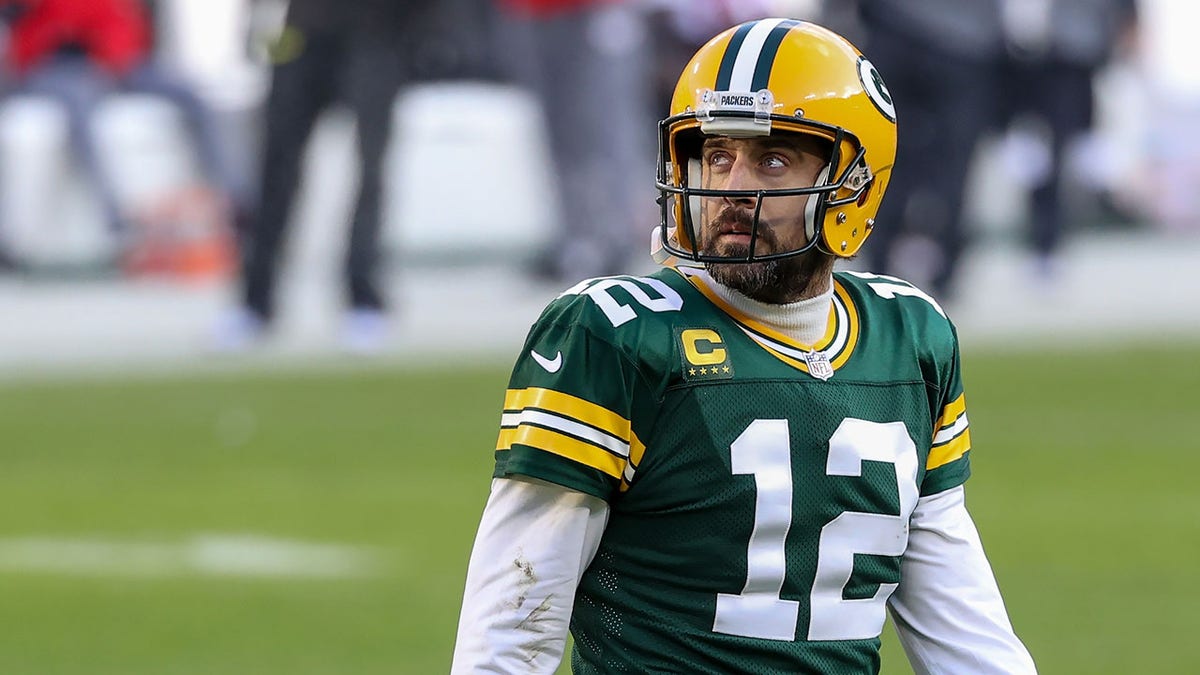
Aaron Rodgers #12 of the Green Bay Packers walks across the field in the second quarter against the Tampa Bay Buccaneers during the NFC Championship game at Lambeau Field on January 24, 2021, in Green Bay, Wisconsin. (Dylan Buell/Getty Images)
CLICK HERE TO DOWNLOAD THE FOX NEWS APP
But he only signed a one-year deal with the Steelers. He made that decision on June 9, 2025, after his time with the New York Jets came to an end. He doesn’t appear to be in any rush to make a decision on his future.
Follow Fox News Digital’s sports coverage on X and subscribe to the Fox News Sports Huddle newsletter.
Related Article