These Ancient Dogs Have Pulled Sleds in Greenland for Nearly 1,000 Years


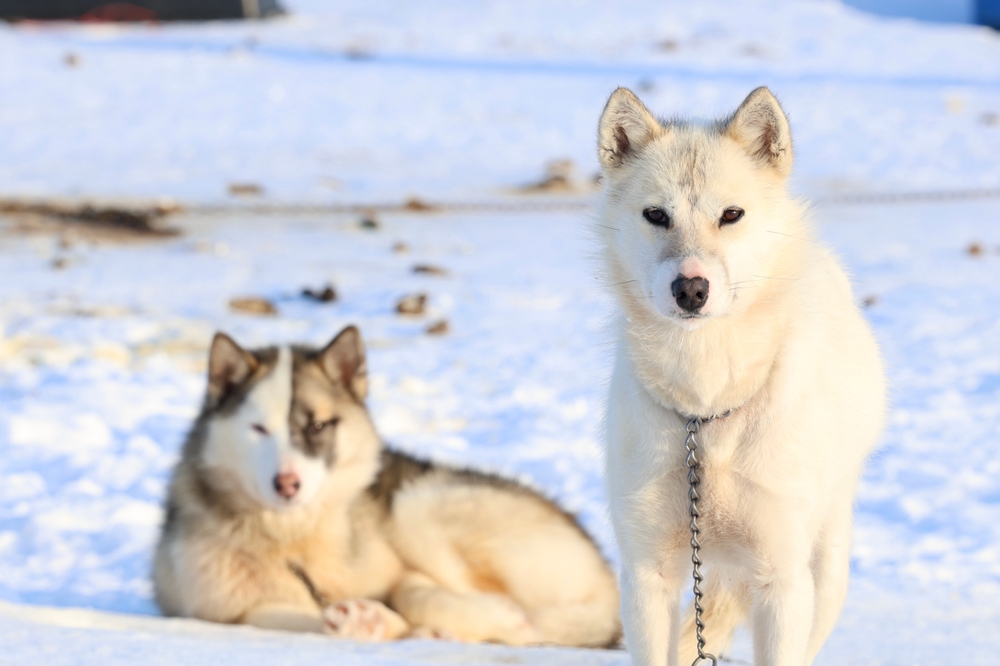
In the climate of the severe Arctic, sled dogs are invaluable for transport through the landscape of snow and ice. Descend from a common ancestor, the sled breeds include the Malamute of Alaska, the Siberian Husky and the Samoyed. Unlike these breeds, Qimmit (the plural of Qimmeq) pulled sleds in the same place for the same people for almost 1,000 years. While other breeds have moved to more domestic roles or have been maintained with other dogs, Qimmit remained isolated.
Greenland changes. Climate change and urbanization had an impact Qimmeq project – A collaboration between the University of Copenhagen and the University of IlisimatuSarfik in Nuuk, Greenland’s Capital.
In Their latest studyQimmeq researchers analyzed the genomes of 92 modern and old Qimmit over 800 years. These were then compared to 1,900 dog genomes. The results tell the genetic story of the time of these dogs in Greenland.
Learn more:: How dogs have co-evolved only with humans like no other species
Dog Migration models through the Arctic
The analysis has shown that dogs were divided into three populations, each separated by geography. The Green Inuit live in the northern, east and west regions of the island, and researchers could clearly separate dogs from each area of the analysis.
The analysis has also shown the effect of European colonization. The genomes of dogs analyzed before the formation of the Danish and Norwegian colonies in 1721 were genetically distinct from those of European dogs. On the other hand, the genomes of dogs from the beginning of the 20th century were more mixed.
Today, the movement of foreign dogs in the sled district is strictly controlled. Qimmit genomes have also suggested that migration theories to Greenland can be incorrect. The divergence between Qimmit and other breeds of dogs suggests that “be the divergence of Qimmit The populations preceded the arrival of the Inuit or their arrival occurred more than a century earlier than we thought before, “wrote the authors of the study.
Beyond Greenland, the analysis has shown a close link between the Qimmeq genome and those of other Arctic dogs. Qimmit was even genetically linked to an Alaska dog who lived 3,700 years ago. The authors wrote that this close relationship, despite the distance of thousands of years and miles, “provides support for the hypothesis that Inuit quickly settled North America.”
Genetic links between dogs and wolves
The study also examines connections between Qimmit and Wolves. According to The Danish Chenil cluban qimmeq male will be at least 60 cm high [about 24 inches]Larger than a Siberian Husky.
These large frames and the thick layers give them a superficial resemblance to the wolves. Oral traditions in the region say that the hybridization of the Qimmit wolf has been encouraged to “strengthen and invigorate dogs”, wrote the authors of the study. The genomic analysis revealed that the Qimmit shared the genes with the wolf populations, but this link was no stronger than that observed in the older Arctic Dog breeds, which suggests that the interbriety was limited.
Reports suggest that hybrid dogs are fiercely territorial and aggressive towards unknown humans and dogs. This may have made them integrate into the more difficult sled culture and limited their spread, suggested the authors of the study.
This analysis, arriving at a critical moment for the Qimmeq, can, hopefully, help preserve this old and rare breed. This study, wrote the authors, can “serve as a basis for informed management aimed at preserving these remarkable dogs”.
Learn more:: Who was Balto the sled dog? The answers can be hidden in its genes
Sources of articles
Our writers at Discovermagazine.com Use studies evaluated by high quality peers and sources for our articles, and our publishers examine scientific precision and editorial standards. Review the sources used below for this article:
RJ Mackenzie is an independent scientific journalist based in Glasgow, Scotland. It covers the biological and biomedical sciences, emphasizing the complexities and curiosities of the brain. He graduated in neuroscience from the University of Edinburgh and the University of Cambridge. He wrote for National Geographic, Nature and The Scientist, among other publications.