‘Miracle on Ice’ Team Visits White House for Great Honor, Gives Pres. Trump Historic Souvenir – RedState


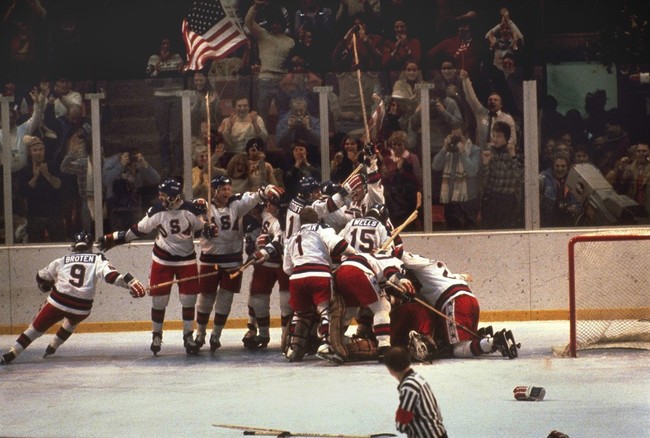
It’s not every day that I envy President Donald Trump. He really has a lot to do. But on Friday, I couldn’t help but wish I was in the Oval Office when the 1980 “Miracle on Ice” U.S. men’s hockey team stopped by to be honored.
In a video posted on
“President Donald Trump honors the 1980 ‘Miracle on Ice’ U.S. men’s hockey team,” the post read. “At the height of the Cold War, the Americans fielded a team with no Olympic or professional experience and defied odds by defeating the dominant USSR. »
President Donald Trump honors the 1980 “Miracle on Ice” U.S. men’s hockey team. 🇺🇸🏒
At the height of the Cold War, the Americans fielded a team with no Olympic or professional experience and defied odds by defeating the dominant USSR. pic.twitter.com/8lo37sBTwT
– The White House (@WhiteHouse) December 12, 2025
“It’s very exciting. It’s one of the greatest moments in the history of American sports,” Trump said. “I wouldn’t say that maybe other countries weren’t as enthusiastic. But for American sports, we have a very exciting team of champions supporting me right now.”
Trump then asked a White House lawyer to read the bill, which states that “Congress has authorized the minting of three medals, commemorating the historic victory of the U.S. men’s hockey team in 1980 at the Lake Placid Olympic Games, where they evidently defeated the Soviet Union in the famous Miracle on Ice hockey game.”
READ MORE: Angry US Hockey Press Wearing MAGA Hats Completely Misses This Team’s Miracle
MORE: What made Miracle On Ice more than a sporting event?
One of the medals will be placed at the Lake Placid Olympic Center in Lake Placid, New York, USA Today reported. Another will go to the USA Hockey Hall of Fame Museum in Eveleth, Minnesota. A third will be placed at the U.S. Olympic and Paralympic Museum in Colorado Springs, Colorado.
White House spokesperson Taylor Rogers told the outlet:
“President Trump will honor the legendary 1980 Olympic men’s ice hockey team, whose ‘Miracle on Ice’ resulted in a historic and symbolic victory over the Soviet Union. This triumph fueled a resurgence of national pride as Americans across the country watched Team USA unexpectedly win the gold medal. No one is more determined to honor American greatness and patriotism than President Trump.”
After Trump signed the bill, hockey team captain Mike Eruzione gave Trump a historic souvenir, a white cowboy hat. He said it was a replica of the hats the team wore during ceremonies in Lake Placid.
TO WATCH!
President Trump receives a cowboy hat from the Olympic gold medal-winning Miracle on Ice team 🇺🇸 pic.twitter.com/EcLbKscPwN
-Margo Martin (@MargoMartin47) December 12, 2025
“It’s an absolutely incredible honor. I’ve said it before, but when you put on a USA jersey, you’re playing for your country, you’re not playing for your state or your city or your town. And what an honor it was for us to put on that jersey and accomplish what we accomplished,” Eruzione said. “I always said that the gold medal was something incredible, but this is the icing on the cake.”
Also in attendance were some of Eruzione’s teammates like Jim Craig, Buzz Schneider and family members of the late Herb Brooks, whose legendary coaching style led to the team’s victory.
“It’s an honor to be here. I’m very proud of all my teammates and what we’ve accomplished for our country,” Craig said. “When you get the chance to represent your country, whether in the military or in sports, you can do something truly special like my team did and be recognized years later.”
Since this bill signing comes before the 45th anniversary of that miraculous game, I have to suggest, if you haven’t seen it or even if you have, go watch the movie “Miracle” about Coach Brooks and a group of young men who did something at a time no one thought possible: defeat the Soviets.
This is an incredible moment in our American history that will have you on your feet cheering for America, USA!!
And for more details on this game that was more than just a game, check out a great article by RedState’s Brad Slager.
Editor’s note: Do you enjoy RedState’s conservative reporting that attacks the radical left and woke media? Support our work so we can continue to bring you the truth.
Join RedState VIP and use promo code FIGHT to get 60% off your VIP membership!


