Latest macOS version and every Mac operating system in order


Wondering what is the name of the latest macOS version? Do you want to know what the next version of MacOS will be called? Curious about the versions of Mac OS X which preceded? Here, we will inform you about the names of the different versions of the Mac operating system in order: from the most recent macOS to the first version of Mac OS X and the code names that Apple used for them. We will also show you how you can check the version of MacOS that you are running and discover the latest version of MacOS.
What is the last macOS?
The latest version of MacOS is called MacOS Sequoia after the Sequoia National Park located in the mountain range of Sierra Nevada in California. This version of MacOS was launched to the general public in September 2024, with later updates to come every few weeks. The latest version of Sequoia is MacOS 15.5, which arrived on May 12, 2025. It includes a screen time update, some modifications of the mail and safety fixes.
It will not be Sequoia for much longer: MacOS 26 Tahoe is on the way. It is currently in beta form before a full launch in September or October.
If you are looking for help in the installation of macOS Read: how to update macOS and correctly the Macs that do not update. We can also help install MacOS on a Mac not supported.
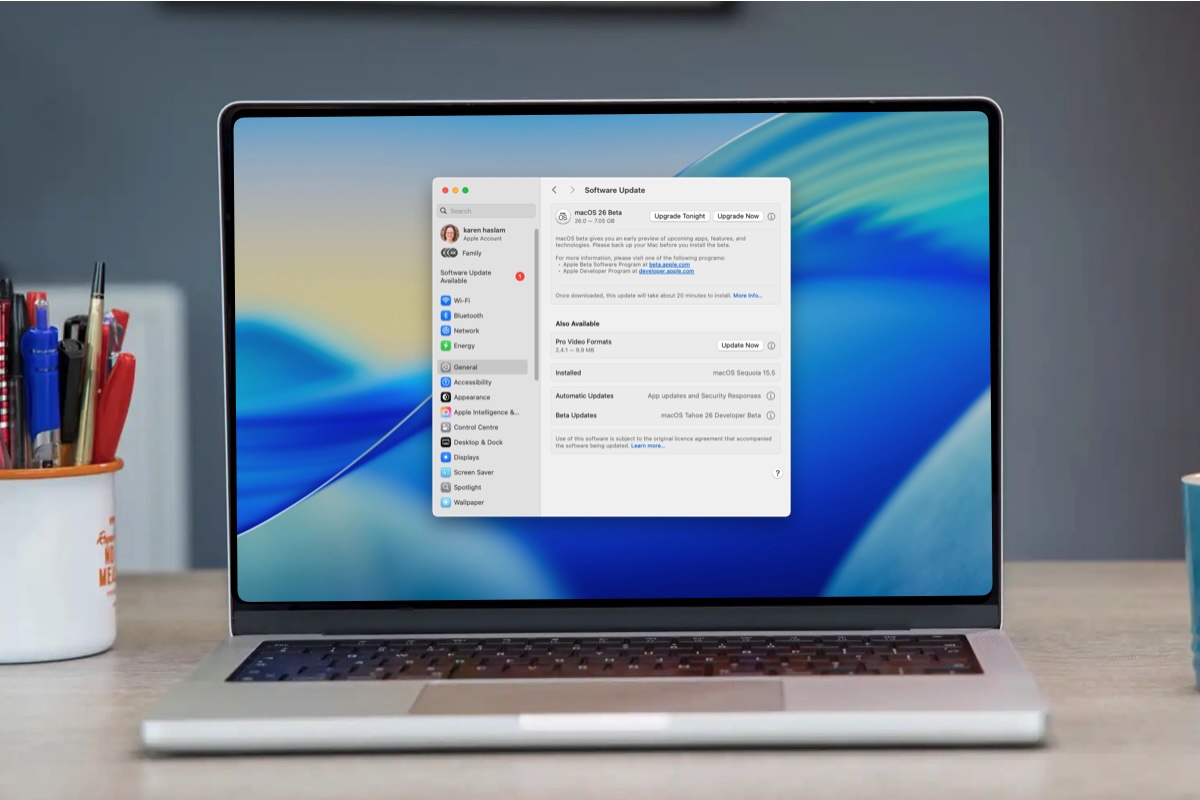
MacOS Tahoe is coming soon.
Foundry
What is MacOS?
MacOS is the Mac operating system, as iOS is the iPhone and iPados operating system is the iPad operating system. It is the software that runs in the background, providing the user interface and providing the link between hardware and software.
All Macs execute macOS, previously known under the name of Mac OS X, and have done so since the introduction of the first version of Mac OS X in 2001. Before that, Macs executed Mac OS 9 which released in October 1999 and received updates until December 2001. Mac OS X was based on technology of the following computer, which was another company founded by Steve Jobs. Jobs brought back technology to Apple with him when he was reinstated as Apple CEO. The operating system is based on UNIX.
Mac OS X was launched more than two decades ago on March 24, 2001. There were a lot of changes during these two decades: good and bad. According to the problems with the first edition (it was slow and did not perform important applications like Microsoft Word) Mac OS X has evolved through various iterations and various conceptions to what we know today. We have noticed a close integration with iOS devices, the incorporation of the cloud and the arrival of excellent and useful features, including integrated time backups, a quick look – which allows you to see an overview of a document without opening the application, and innovations as exhibits and spaces and office batteries to help you work more effectively.
For an overview of the features of the different versions of the Mac operating system, showing how it has developed over time, take a look at our video above. If you want to know the names Apple has attributed to Mac OS X over the years and the code names that have been used internally, read the rest.
macOS versions in order
Here is an overview of each version of MacOS and Mac OS X Apple has been published. You will find a complete list of the latest version of each version of OS X and MacOS, along version code names, as well as internal code names (if available):
- OS X 10 Beta: Kodiak – September 13, 2000
- OS X 10.0: Cheetah – March 14, 2001 (Last: 10.0.4)
- OS X 10.1: PUMA – September 15, 2001 (Last: 10.1.5)
- OS X 10.2: Jaguar – August 14, 2002 (Last: 10.2.8)
- OS X 10.3 Panther (Pinot) – October 24, 2003 (Last: 10.3.9)
- OS X 10.4 Tiger (Merlot) – April 29, 2005 (Last: 10.4.11)
- OS X 10.4.4 Tiger (Chardonnay) – January 10, 2006 (for Intel Macs) (Last: 10.4.11)
- OS X 10.5 Leopard (Chablis) – October 26, 2007 (Last: 10.5.8)
- OS X 10.6 Snow Leopard – August 28, 2009 (Last: 10.6.8)
- OS X 10.7 Lion (Barolo) – July 20, 2011 (Last: 10.7.5)
- OS X 10.8 Mountain Lion (Zinfandel) – July 25, 2012 (Last: 10.8.5)
- OS X 10.9 Mavericks (Cabernet) – October 22, 2013 (Last: 10.9.5)
- OS X 10.10: Yosemite (Syrah) – October 16, 2014 (Last: 10.10.5)
- OS X 10.11: El Capitan (Gala) – September 30, 2015 (Last: 10.11.6)
- MacOS 10.12: Sierra (Fuji) – September 20, 2016 (Last: 10.12.6)
- MacOS 10.13: High Sierra (Lobo) – September 25, 2017 (Last: 10.13.6)
- MacOS 10.14: Mojave (Liberty) – September 24, 2018 (Last: 10.14.6, July 2021)
- MacOS 10.15: Catalina (jazz) – October 7, 2019 (Last: 10.15.7, security update 2022-005, July 2022)
- MacOS 11: BIG SUR (GoldenGate) – November 12, 2020 (Last: 11.7.10, September 11, 2023)
- MacOS 12: Monterey (Star) – October 25, 2021 (Last: 12.7.6, July 29, 2024))
- MacOS 13: Ventura (Rome) – October 24, 2022 (Last: 13.7.8, August 202025)
- MacOS 14: Sonoma (Sunburst) – September 26, 2023 (Last: 14.7.8, August 20, 2025)
- MacOS 15: Sequoia (Glow) – September 18, 2024 (Last: 15.6.1,, August 20, 2025)
- MacOS 26: Tahoe (Cheer) – TBC launch date
We have a complete list whose macs perform the versions of macOS here.
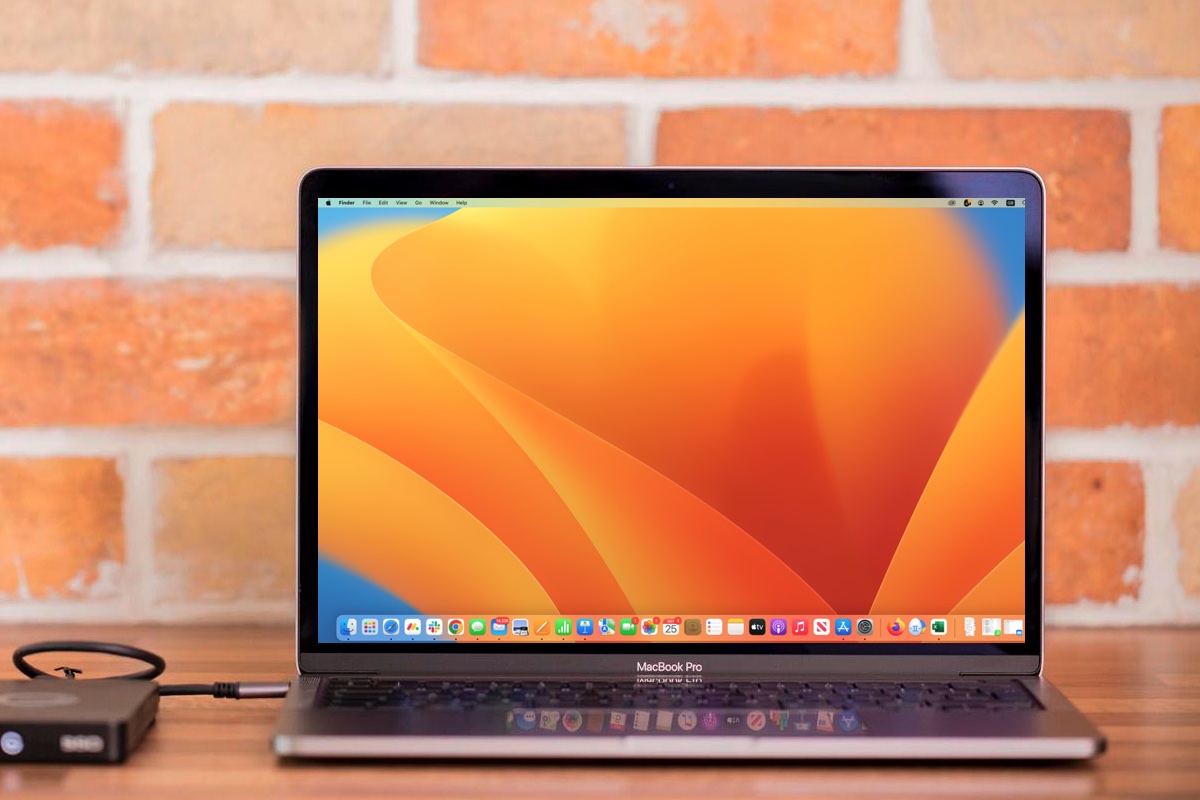
You can install a beta version of MacOS and test new features that have not yet been launched. If you want to install the latest beta version of MacOS, read on the joint of the Apple beta program.
Foundry
Mac OS X names and macOS
As you can see on the list above, except for the first OS X Beta, all versions of the Mac operating system from 2001 to 2012 were named after the big cats, from Cheetah to Panther in the final version, Mountain Lion. But while public -oriented constructions were named after the big cats, internally, they were named after the wines (apart from OS X 10.6 which had no code name).
Even after Apple changed the code names towards the public towards places in California in 2013, he continued to appoint them after the wines internally until 2014. In 2015, Apple decided to modify the theme of the internal code names of the wines with apple types. Original.
In 2016, Apple took the plunge to unify the mark of its operating systems by reversing Mac OS X to MacOS, which is well alongside iOS, TVOS and Watchos and opened the way to MacOS 11, the successor to Mac OS X, which arrived twenty years after the first version of Mac OS X.
In 2025, Apple decided to synchronize the numbering system between all its operating systems. MacOS 26 Tahoe will live the most of his life as the most recent version of the year 2026 before being replaced by MacOS 27 at the end of 2026.
What versions of macOS are still updated?
Apple provides regular features and security updates for the most recent version of MacOS. In addition, it is generally the case that Apple will publish security updates and bug corrections to two previous versions of macOS.
In August 2025, MacOS Sequoia, Sonoma and Ventura all received security updates. When MacOS Tahoe arrived at the end of 2025, Apple is likely to stop issuing updates for Ventura. See: How long do Macs and Macbooks last?
Apple also shows updates from its Safari web browser. The latest version of Safari for Mac is Safari 18 (in September 2024) and it requires Ventura, Sonoma or Sequoia.
Foundry
How to say which macOS version you use
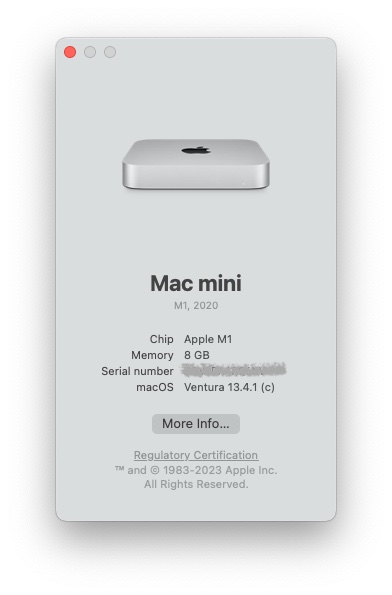
You can say which version of MacOS you are running by clicking on the Apple logo at the top left and choosing about this Mac. It will clearly show the version of MacOS you use with the most recent version that your Mac has installed
Foundry
How to install the latest version of MacOS
If you want to update your Mac to a more recent version of MacOS, the method will be determined by the MacOS version you are running.
Very old versions of Mac OS X came on a disc and all the security updates came via the software update. Since the arrival of the Mac App Store in 2011 (as Snow Leopard update) of Mac OS X and MacOS versions have been available for download via the Mac App Store.
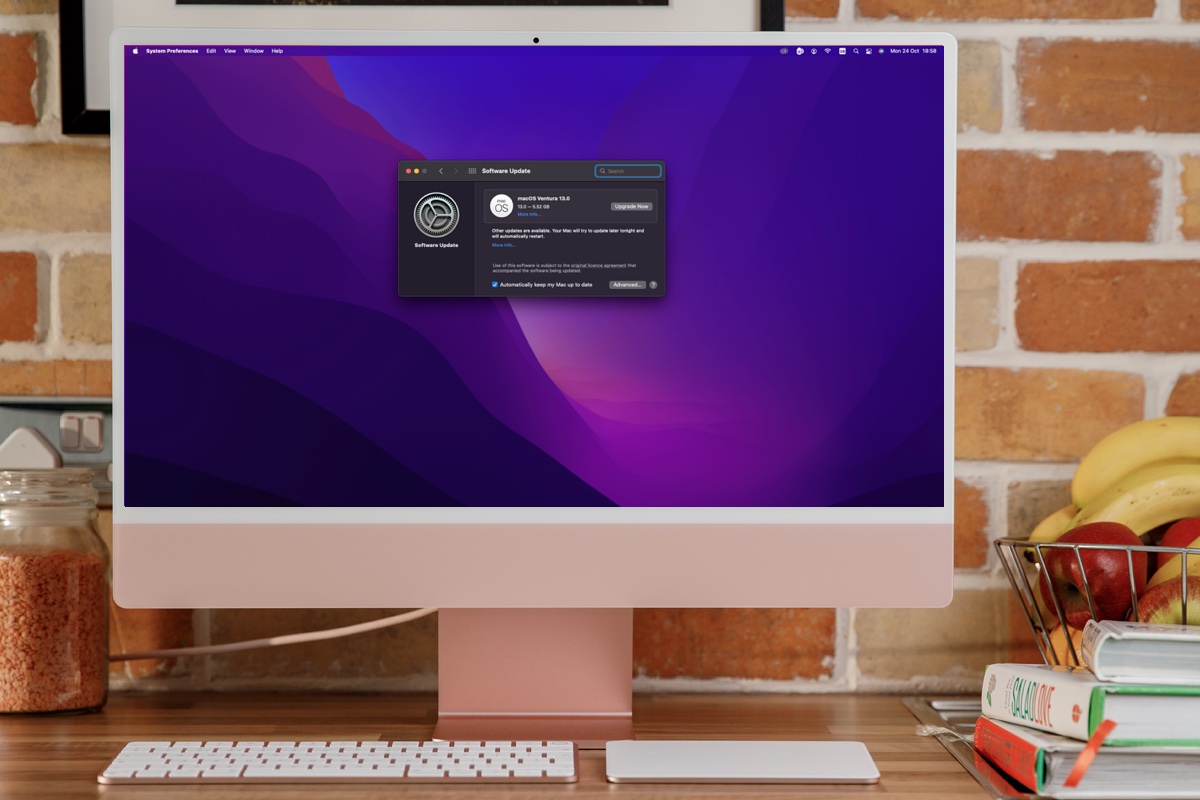
However, this has changed with Mojave, which arrived in 2018. Now, the operating system updates are available via software updates that are in system settings> General> software update or in system preferences> software update (pre-ventura). One of the advantages of this is that your Mac can be defined to automatically download the latest updates and install them, keeping your Mac up to date with a minimum of effort on your part. By the way, you can always find the macOS software on the Mac App Store.
Some Macs will be defined to update MacOS automatically. If you want your Mac to update, automatically follow these steps:
In Ventura or later:
- Open the system settings.
- Click on General.
- Click on Software update.
- Click on the automatic updates “I” next to it and make sure that Update,, Download the new updates when availableAnd Install macOS updates are selected. In this way, your Mac automatically met up to the latest version. If you prefer not to make your Mac do it automatically, you can deselect these options.
In Monterey, Big Sur, Mojave or Catalina:
- Open system preferences.
- Click on Software update.
- Check the box next to Automatically keep my Mac up to date (Or Download the new updates when available).
- Now select the box Install macOS updates.
In high Sierra or earlier:
- Open system preferences.
- Click on App Store.
- Check the box next to Automatically check the updates – He should have a tick in it, just like the four options below …
- Now deselects the box next to Download updates newly available in the background.
Read everything about how to update your Mac here.
We also have a list of each version of iOS where you can see the latest versions and how long Apple supports iPhones.


