The spike in diesel prices is quietly costing you billions


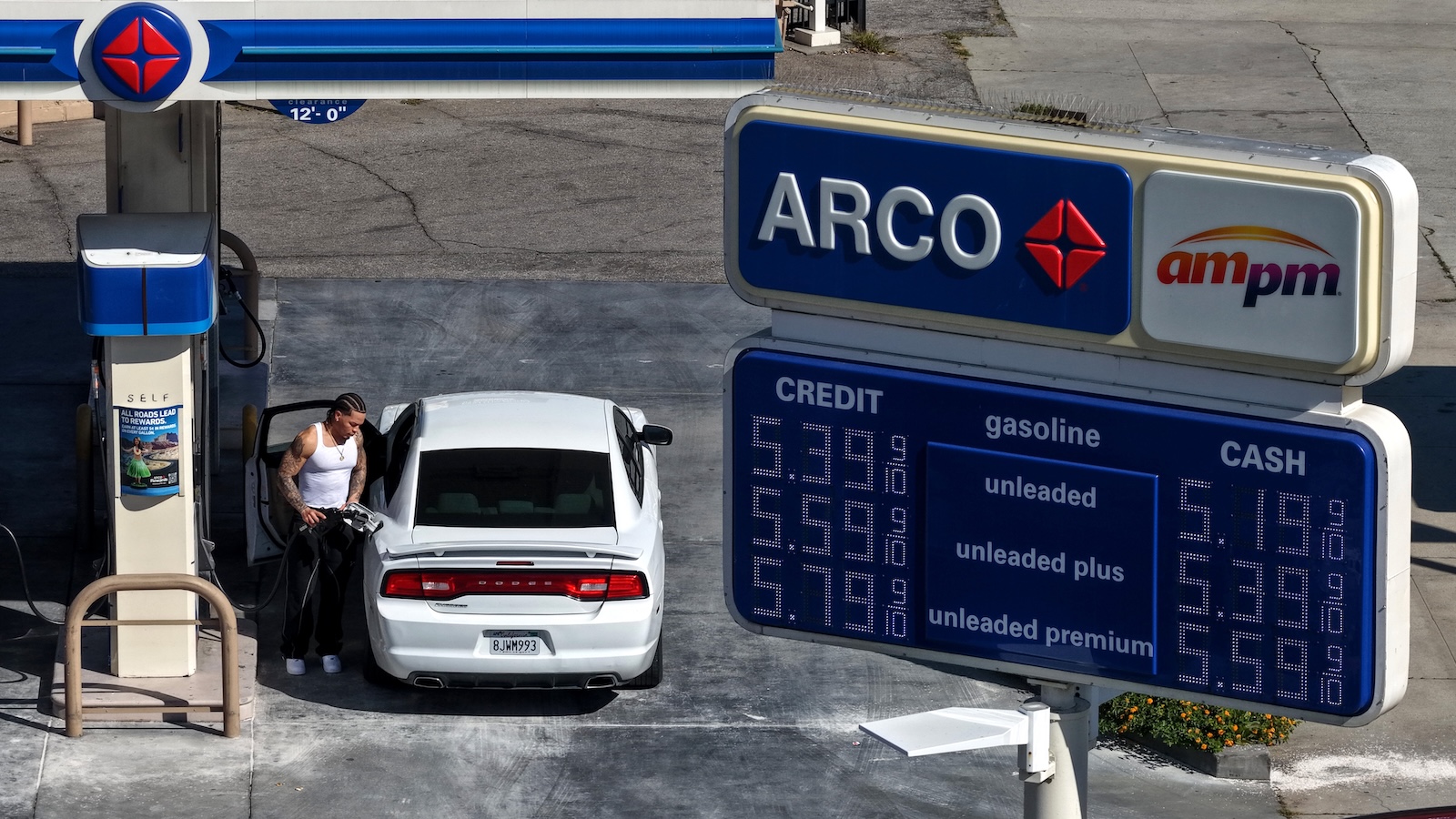
The first thing drivers probably check when they go to the gas station is the price of gas, especially with prices soaring. What they might not pay as much attention to is diesel. Maybe they should. The price of this essential fuel has climbed even faster, and new data shows it is creating a hole almost as big in the U.S. economy.
When the bombing began in the Middle East, Iran quickly closed the Strait of Hormuz, through which about a fifth of the world’s oil passes. Prices immediately shot up, and as the United States and Iran failed to negotiate a peace deal over the weekend, the price of oil is on the rise again.
As of April 13, the war has imposed a staggering $19 billion in fuel costs on consumers, according to researchers at Brown University who recently launched an online tool to track the impact of rising oil prices. Although the national debate focused on gasoline, diesel accounted for $9.4 billion, or nearly half, of that increase. At about $71 per American household, it has a profound impact on everyone, even those who don’t buy diesel.
“You probably feel it in ways you don’t realize,” said Jeff Colgan, a political scientist at Brown who, with his students, built the dashboard, which is updated continuously. Although some people purchase diesel for their passenger vehicles, this fuel is essential to commercial operations such as trucking, rail, agriculture and construction. Virtually all of the country’s products pass through the diesel supply chain at some point, and the higher costs are ultimately passed on to consumers.
“Diesel is the fuel that powers the economy much more than gasoline,” said Patrick De Haan, head of petroleum analysis for GasBuddy, an app that lets consumers track fuel prices. He explained that because each barrel of oil produces less diesel than gasoline, the impact is disproportionately higher. According to the Brown University tracker, diesel prices have risen 54 percent since the war began on February 28, compared to a 38 percent rise for gasoline.
As a result, gas customers drive less, but industries that rely on diesel rarely have that option. “The demand for gasoline is more elastic, which means that when prices rise, Americans can simply reduce their consumption to a certain extent,” De Haan said. Demand for diesel, on the other hand, is changing less.
The timing of the war with Iran is another contributing factor to diesel’s relative rise. The United States and Israel began bombing Iran following a long, cold winter in New England, where most of the country’s fuel oil is consumed. Since heating oil and diesel have nearly identical molecular structures and energy content, there already existed seasonal upward pressure on pump prices, which the war exacerbated. “At the end of winter, fuel oil consumption is high,” De Haan said. “This usually affects diesel as well.”
Why $4 Gas Is the Tipping Point for Electric Vehicles
Although rising fuel prices have proven to be bad news for consumers and economies around the world, there have been some winners. “The big beneficiaries are oil producers around the world who are not locked behind the Strait of Hormuz,” Colgan said. “Russia is by far the largest of them, along with the United States.”
Despite a two-week ceasefire intended to open the strait, only a handful of ships have transited the besieged waterway. When peace talks failed, President Donald Trump announced a blockade of Iranian ports. This campaign began Monday morning, once again driving up oil prices. The commonly cited benchmark, Brent crude, reflects what traders expect a barrel to be worth in a month or two. But the spot price – or what it actually costs to buy a barrel now – tends to be higher than that, suggesting the crisis may be deeper than many think.
“Physical prices and physical supplies would reflect a tighter market than I think the forward curve reflects,” Mike Wirth, Chevron’s chief executive, said at a conference last month.
Even when the strait opens and ships start flowing again, repairing damaged oil infrastructure and recalibrating the market could take months. It is also unclear what new factors might be introduced by then. For example, Iran would like to charge $1 million in fees to tankers that could be passed on to customers. But as winter ends and summer arrives, when gasoline prices are highest, De Haan expects the price gap between the two fuels to narrow.
“From now on,” he said, “you may see a little less increase in diesel as the markets progress. »


