Tunic publisher claims TikTok ran ‘racist, sexist’ AI ads for one of its games without its knowledge

Independent publisher and developer Finji has accused TikTok of using generative AI to modify ads for its games on the platform without its knowledge or permission. Finji, who has released indie darlings like And , said he only became aware of the apparently altered ads after being alerted to them by followers of his official TikTok account.
As reported Finji alleges that an advertisement on the platform was altered to display a “racist and sexualized” depiction of a character from one of its games. Although he advertises on TikTok, he said IGN that the AI was “completely disabled,” but after CEO and co-founder Rebekah Saltsman received screenshots of the ads in question from fans, she contacted TikTok to investigate.
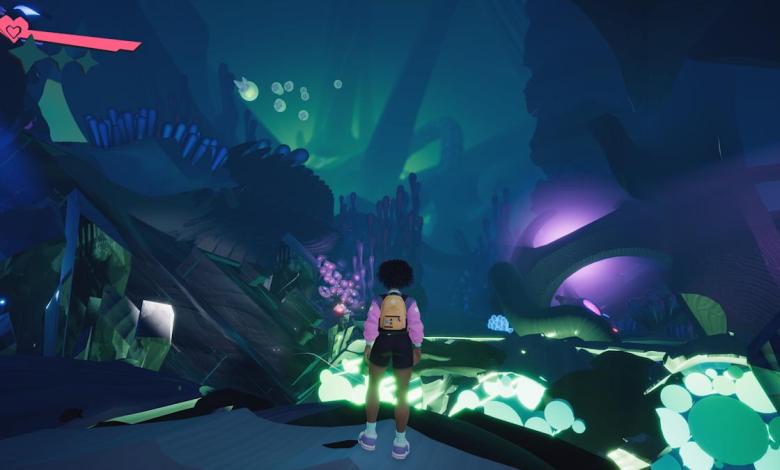
A number of Finji ads have appeared on TikTok, some including montages of the company’s games, and others game-specific, such as one for Usual June. According to IGNthe offending AI-edited ads (which are still posted as if they came directly from Finji) appeared as slideshows. Some images don’t look that different from the source, but a possibly AI-generated example seen by IGN shows Usual Junewith “bikini bottoms, incredibly wide hips and thighs, and knee-high boots.” Needless to say (and this is obvious from the official screenshot used as the main image of this article), this is not how the character appears in-game.
As for TikTok’s response, IGN published a number of responses from the platform to Finji’s complaints, in which it initially stated, in part, that it found no evidence that “AI-generated assets or slideshow formats were being used.” This is despite the fact that Finji sent the customer support page a screenshot of the clearly altered image mentioned above. In a subsequent exchange, TikTok appeared to acknowledge the evidence and assured the publisher that it was “no longer disputing whether this happened.” He added that he had escalated the problem internally and was investigating it thoroughly.
TikTok offers a “Smart Creation” option on its advertising platform, which essentially uses generative AI to modify user-created ads so that multiple versions are served, with those that its audience responds to more positively being used more often. Another option is Features, which use AI to automatically optimize things like music, audio effects, and overall visual “quality” to “enhance the user’s visual experience.” Saltsman showed IGN proof that Finji has disabled both of these options, which was also confirmed by a TikTok agent for the ad in question.
After a number of increasingly frustrated exchanges in which TikTok finally admitted to Saltsman that the ad “raised significant issues, including the unauthorized use of AI, the sexualization and misrepresentation of your characters, and the resulting commercial and reputational harm to your studio,” the Finji co-founder was offered some sort of explanation.
TikTok said Finji’s campaign used a “catalog ad format” designed to “demonstrate the performance benefits of combining carousel and video assets in sales campaigns.” He said the “initiative” helped advertisers “get better results with less effort” but did not directly address harmful content. Finji apparently also opted for this advertising format without knowing it. TikTok declined to comment on the matter when approached by IGN.
Saltsman was informed that the problem could not be escalated as the communication was not resolved at the time of communication. IGN publishing its report. In a statement to the outlet, Saltsman said she was “a little shocked by TikTok’s complete lack of an appropriate response to the mess.” They did it.” She went on to say that she expected both an apology and clear assurance that a similar problem would not happen again, but that she was “obviously not holding her breath for the above.”